Herbert G. Ponting
Actor & Director
Born: March 21, 1870 in Salisbury, Wiltshire, England Died: February 7, 1935 Active: 1900-1935 Birth Name: Herbert George Ponting
Films
1 film
About Herbert G. Ponting
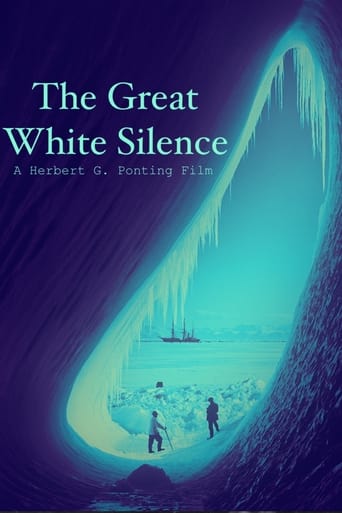
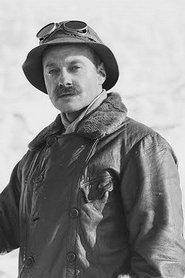
Herbert George Ponting — British photographer, cinematographer, and documentary filmmaker who revolutionized how exploration was documented through visual media. Born in 1870, Ponting initially worked as a bank clerk before pursuing photography professionally in the early 1900s, traveling extensively throughout Asia and establishing himself as a skilled travel photographer. His career reached its zenith when he was selected as the official photographer and cinematographer for Captain Robert Falcon Scott's ill-fated Terra Nova Expedition to Antarctica (1910-1913), where he created some of the earliest motion pictures of polar exploration. After returning from Antarctica, Ponting spent years processing his extensive collection of photographs and film footage, eventually creating his masterpiece documentary 'The Great White Silence' in 1924. He continued to lecture and write about his experiences, publishing several books including 'The Great White South' in 1921. Ponting's innovative techniques in extreme weather photography and his ability to capture both the scientific and human aspects of exploration established him as a foundational figure in documentary filmmaking. He died in London in 1935, leaving behind a remarkable visual legacy of the heroic age of Antarctic exploration.
The Craft
Behind the Camera
Ponting's directing style was characterized by meticulous attention to visual composition and a documentary approach that captured both the grandeur of nature and human endurance. He employed innovative techniques for filming in extreme conditions, including using specialized equipment that could function in sub-zero temperatures. His work demonstrated a remarkable ability to blend scientific documentation with artistic sensibility, creating films that were both educational and emotionally compelling.
Milestones
- Official photographer for Scott's Terra Nova Expedition (1910-1913)
- Created the first motion pictures of Antarctica
- Directed and produced 'The Great White Silence' (1924)
- Published 'The Great White South' (1921)
- Pioneered extreme weather photography techniques
Best Known For
Iconic Roles
Must-See Films
Accolades
Won
- Royal Photographic Society Fellowship
Special Recognition
- Royal Geographical Society recognition
- Fellow of the Royal Photographic Society
Working Relationships
Worked Often With
Why They Matter
Impact on Culture
Herbert G. Ponting fundamentally changed how exploration was documented and presented to the public. His work brought the remote and inhospitable Antarctic continent to life for audiences worldwide, creating a new standard for expedition photography and filmmaking. His images of the Terra Nova Expedition became iconic representations of the heroic age of polar exploration, influencing public perception of exploration for decades. Ponting's techniques for working in extreme conditions paved the way for future nature and adventure filmmakers, while his ability to capture both scientific detail and human emotion established a template for modern documentary storytelling.
Lasting Legacy
Ponting's legacy endures through his extensive photographic archive, which remains. His film 'The Great White Silence' is considered a masterpiece of early documentary cinema and continues to be studied by filmmakers and historians. The Herbert Ponting Archive, maintained by the Scott Polar Research Institute, preserves thousands of his photographs and glass plate negatives. His innovative approaches to expedition documentation influenced generations of National Geographic photographers and documentary filmmakers. Modern polar expeditions still reference his work when planning their visual documentation strategies.
Who They Inspired
Ponting's influence extends far beyond polar exploration to the broader field of documentary filmmaking. His techniques for capturing nature's grandeur while maintaining human perspective influenced filmmakers like Robert Flaherty and later nature documentarians. His work demonstrated the power of visual media to convey complex scientific and emotional narratives, paving the way for the modern documentary genre. Contemporary expedition photographers and filmmakers continue to build upon his technical innovations and artistic vision, particularly in extreme environment photography.
Off Screen
Ponting married Mary Beatrice (Molly) Elliott in 1901, and they had one daughter together. The couple eventually separated, with Ponting dedicating his life to his work and the legacy of the Scott expedition. He spent his later years lecturing extensively about his Antarctic experiences and working to preserve and promote the visual record of the Terra Nova Expedition. His dedication to documenting the expedition continued even after Scott's death, as he felt a profound responsibility to ensure their story was properly remembered.
Education
Limited formal education; self-taught photographer and cinematographer
Family
- Mary Beatrice Elliott (1901-1916)
Did You Know?
- Was one of the first people to use a motion picture camera in Antarctica
- His camera equipment weighed over 500 pounds and had to be transported by dog sled
- Left the expedition early in 1912, missing Scott's final journey to the South Pole
- His photographs were used as evidence in the inquiry into the expedition's failure
- Spent over 20 years processing and promoting the expedition's visual record
- His film 'The Great White Silence' was restored by the British Film Institute in 2011
- Was originally hired for only one year but extended his stay to 15 months
- His work helped raise funds for the families of the expedition members who died
- Learned to develop film in sub-zero temperatures using heated tents
- His images were among the first color photographs taken in Antarctica
In Their Own Words
The camera is the eye of history.
I have tried to show not only the beauty of the Antarctic, but the tragedy of it as well.
Every photograph should tell a story, and every film should be a poem in motion.
The cold is the greatest enemy of the photographer, but also his greatest ally in creating dramatic images.
Frequently Asked Questions
Who was Herbert G. Ponting?
British photographer and documentary filmmaker best known as the official photographer for Captain Robert Scott's Terra Nova Expedition to Antarctica. He created some of the earliest motion pictures of polar exploration and his work revolutionized how expeditions were documented and presented to the public.
What films is Herbert G. Ponting best known for?
Titles linked here include The Great White Silence (1924), 90° South (1933).
When was Herbert G. Ponting born and when did he die?
Born March 21, 1870; died February 7, 1935.
What awards did Herbert G. Ponting win?
Ponting received a Fellowship from the Royal Photographic Society in recognition of his contributions to photography. He was also honored by the Royal Geographical Society for his work in documenting polar exploration. His greatest legacy, however, is the lasting impact of his visual record of the Terra Nova Expedition.
What was Herbert G. Ponting's directing style?
Ponting's directing style combined scientific documentation with artistic vision, creating films that were both educational and emotionally compelling. He pioneered techniques for filming in extreme conditions and had a remarkable ability to capture both the grandeur of nature and the human drama of exploration. His work established many conventions of modern documentary filmmaking.