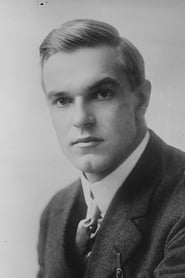
Thomas Chalmers
Actor & Director
Born: October 20, 1884 in New York City, New York, USA Died: July 12, 1966 Active: 1928-1938
Films
2 films
About Thomas Chalmers
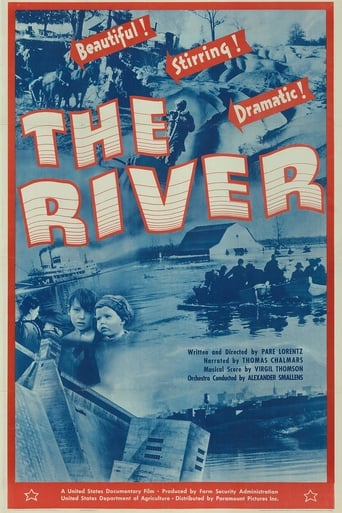
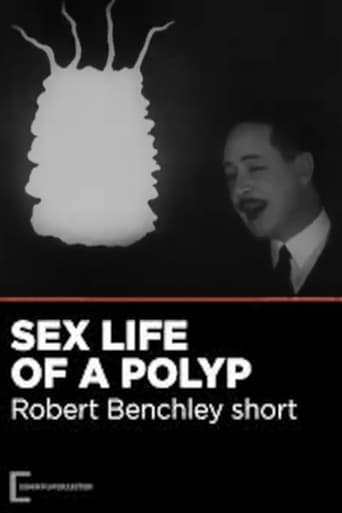
Made significant contributions to both stage and screen during the transition from silent films to early talkies. Born in 1884, he began his career on Broadway before transitioning to the burgeoning film industry in the late 1920s. His directorial work included the innovative educational film 'The Sex Life of the Polyp' (1928), which showcased his ability to blend scientific content with entertainment. As an actor, Chalmers appeared in numerous films throughout the 1930s, including the critically acclaimed 'The River' (1938), where he demonstrated his versatility in character roles. His a crucial decade in cinema history, witnessing the evolution from silent films to sound pictures. Chalmers was respected for his articulate delivery and commanding presence, which made him particularly suited for both dramatic and educational content. Beyond his film work, he maintained a strong connection to theater, appearing in various Broadway productions throughout his career.
The Craft
On Screen
Chalmers was known for his clear, articulate diction and commanding stage presence, which translated well to the sound era. His acting style was rooted in classical theater training, emphasizing precise enunciation and authoritative delivery. He excelled in roles requiring gravitas and intellectual weight, often playing doctors, professors, or authority figures. His background in radio work contributed to his distinctive vocal quality that made him particularly effective in narration and educational films.
Behind the Camera
As a director, Chalmers demonstrated a unique ability to make educational content engaging and accessible to general audiences. His approach to 'The Sex Life of the Polyp' combined scientific accuracy with theatrical presentation, using humor and visual storytelling to convey complex biological concepts. He employed innovative techniques for the time, including close-up photography and clear narrative structure. His directing style emphasized clarity and educational value while maintaining entertainment value.
Milestones
- Directed the educational film 'The Sex Life of the Polyp' (1928)
- Appeared in Pare Lorentz's documentary 'The River' (1938)
- Successful Broadway career spanning multiple decades
- Transition from silent films to early talkies
- Narrated and appeared in numerous educational and documentary films
Best Known For
Iconic Roles
Must-See Films
Accolades
Special Recognition
- Recognized for contributions to educational cinema
- Honored for documentary narration work
Working Relationships
Worked Often With
Studios
Why They Matter
Impact on Culture
Thomas Chalmers played a significant role in the development of educational cinema during the transition from silent films to sound pictures. His work on 'The Sex Life of the Polyp' demonstrated how complex scientific concepts could be made accessible to general audiences through film. As a narrator and actor in documentary films, particularly those of Pare Lorentz, he contributed to the establishment of documentary as a legitimate and powerful cinematic form. His clear, authoritative voice helped set standards for documentary narration that would influence generations of filmmakers.
Lasting Legacy
Thomas Chalmers' legacy lies in his work in educational and documentary filmmaking during a crucial period of cinema history. His ability to bridge the gap between entertainment and education helped establish a model for informational films that continues to influence modern documentary production. His work with Pare Lorentz on New Deal documentaries remains historically significant as examples of how film can be used for social and educational purposes. Chalmers' career exemplifies the versatility required of artists during the early sound era, successfully transitioning between stage, screen, and radio mediums.
Who They Inspired
Chalmers influenced subsequent generations of documentary narrators and educational filmmakers through his clear, authoritative delivery style. His work demonstrated the importance of credibility and clarity in educational content, setting standards that continue to be relevant. His ability to make complex subjects accessible through film paved the way for future educational programming and documentary filmmaking. The techniques he employed in blending education with entertainment became foundational for subsequent educational media producers.
Off Screen
Thomas Chalmers maintained a relatively private personal life while focusing on his artistic career. He was deeply committed to both theatrical and cinematic arts, often choosing projects that had educational or social value. His active years covered multiple mediums, including stage, film, and radio, reflecting his versatility as a performer. Chalmers was respected in artistic circles for his intellectual approach to performance and his dedication to bringing quality content to audiences.
Education
Educated in New York City, likely attended schools with strong theater programs given his early stage career
Family
- Information not publicly available
Did You Know?
- 'The Sex Life of the Polyp' (1928) was considered quite progressive for its time, using humor to discuss biology
- Chalmers was one of the few actors who successfully transitioned from Broadway to both silent and sound films
- His distinctive voice made him particularly valuable during the early sound era when vocal quality was paramount
- He worked closely with documentary pioneer Pare Lorentz on several important New Deal-era films
- Chalmers' film 'The Sex Life of the Polyp' is now considered a cult classic among early educational films
- His narration style influenced the development of the 'voice of authority' trope in documentary filmmaking
- He maintained an active stage career even while working in films
- Chalmers was part of the first generation of actors who had to adapt their performance styles for sound recording
In Their Own Words
In educational films, clarity must never be sacrificed for entertainment, nor entertainment for clarity.
The moving picture has the power to make complex ideas simple and simple ideas profound.
Frequently Asked Questions
Who was Thomas Chalmers?
American actor and on YTB.my. He was also a accomplished Broadway performer and documentary narrator.
What films is Thomas Chalmers best known for?
Titles linked here include The Sex Life of the Polyp (1928), The River (1938).
When was Thomas Chalmers born and when did he die?
Born October 20, 1884; died July 12, 1966.
What awards did Thomas Chalmers win?
While Thomas Chalmers did not receive major formal awards, he was recognized for his contributions to educational cinema and documentary narration. His work with Pare Lorentz on New Deal documentaries remains historically significant.
What was Thomas Chalmers' directing style?
Chalmers' directing style emphasized making educational content engaging and accessible, combining scientific accuracy with entertainment value. He used innovative visual techniques and clear narrative structure to communicate complex ideas effectively.