The Sex Life of the Polyp
"Although he is not able to display his live specimens."
Keys: Space play/pause · ←/→ 10s · F fullscreen · M mute · </> speed
About this film
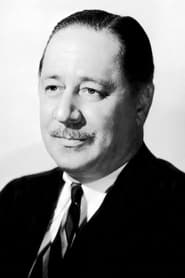
Dr. Benchley is addressing the Ladies Club on the subject of the reproductive habits of the polyp, a small aquatic organism. Although he is not able to display his live specimens, he has prepared a series of pictures of his subjects.
Cast & crew
More films like this
More Comedy films
View all →







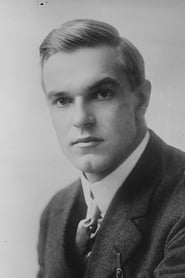
More from Thomas Chalmers
View all →
More about this film
About the production
Release dateJune 1928
ProductionFox Film Corporation
Filmed inNew York City, New York
This was one of Robert Benchley's earliest film appearances, capturing his signature lecture style that would later become famous in his 'How to...' series. The film was shot as a silent short but was later synchronized with music and sound effects. Benchley's performance was largely improvised, building on his popular stage routine of mock academic lectures.
Themes
Academic pretensionScientific authorityHuman fallibilityCommunication breakdownSex education
Themes & topics
Historical background
Production circa 1928 meant fixed cameras, intertitles or early sound rigs, and studio economies that shaped every scene in The Sex Life of the Polyp.
Why this film matters
Surviving prints of The Sex Life of the Polyp document how 1928-era filmmakers solved story problems with limited means.
Making of
The production was a relatively simple affair, shot in just two days at Fox's New York studios. Benchley, who was nervous about performing for the camera, insisted on multiple takes to perfect his timing. The director, Thomas Chalmers, gave Benchley considerable freedom to improvise, recognizing that his comedic strength lay in his natural delivery and timing. The film's minimal set design consisted of a simple lectern and backdrop, allowing Benchley's performance to be the sole focus. The sound synchronization was added in post-production, with Benchley re-recording his dialogue to match the filmed performance.
What critics said
Press files from 1928 mention The Sex Life of the Polyp in roundup columns of what played that week.
Did you know?
- This was Robert Benchley's film debut, marking his transition from stage and print to cinema
- The film was based on Benchley's popular stage routine that he had been performing for years
- Director Thomas Chalmers was primarily known as a stage director and opera singer
- The polyp specimens mentioned in the film were entirely fictional, created for comedic effect
- This short film was part of Fox's early experiments with sound synchronization
- Benchley's flustered academic persona in would become his trademark throughout his career
- The Ladies Club audience was played by actual New York socialites, not professional actresses
- The film was considered quite risqué for its time due to its subject matter, despite being presented in a scientific context
- Only one print of the film is known to survive, preserved at the Museum of Modern Art
- Benchley later claimed he knew nothing about polyps and made up all the 'scientific' information on the spot
Visual style
The cinematography by Joseph H. August was straightforward and functional, typical of early sound shorts that prioritized clear audio recording over visual experimentation. The camera remains largely static, focusing on Benchley at his lectern, with occasional cuts to show the audience's reactions. The lighting is bright and even, ensuring Benchley's facial expressions and gestures are clearly visible. This simple approach effectively serves the comedy by keeping the focus squarely on Benchley's performance without visual distractions.
Innovations
The film represents an early successful example of sound synchronization in comedy, demonstrating how verbal humor could be effectively captured in the new medium. The production team managed to overcome the technical challenges of recording clear dialogue while maintaining comedic timing. The film also shows early experimentation with the relationship between sound and image in comedy, using audio cues to enhance visual gags. These technical achievements, while modest by later standards, were significant for 1928 and helped pave the way for more sophisticated sound comedies.
Music
As an early sound film, the soundtrack was rudimentary but innovative for its time. The film featured synchronized music and sound effects, with Benchley's voice recorded using early sound-on-film technology. The musical accompaniment consisted of light, jaunty piano pieces that underscored the comedic moments. Sound effects were minimal but effective, including the rustling of papers and the occasional cough from the audience. The audio quality reflects the limitations of 1928 recording technology but captures Benchley's distinctive vocal delivery with reasonable clarity.
Famous quotes
The polyp, as you may or may not know, is a small aquatic organism of great scientific interest and even greater confusion.
You see, the trouble with studying polyps is that they have this unfortunate habit of changing their sex from time to time, which makes my research rather complicated and my wife rather suspicious.
I have here a series of photographs of my subjects, though I must warn you that polyps are not particularly photogenic and tend to look rather like small, wet, and somewhat disagreeable vegetables.
The reproductive habits of the polyp are, to put it mildly, complicated. To put it frankly, they're confusing. To put it honestly, I haven't the faintest idea what they're doing.
As you can see from this next picture, the polyp has now decided to become a female, which I personally think is rather inconsiderate of it, as I had just gotten used to calling him 'he'.
Memorable scenes
- The opening scene where Benchley nervously adjusts his glasses and papers before beginning his lecture to the attentive Ladies Club, establishing his flustered academic persona
- The moment when Benchley attempts to explain polyp sex changes while becoming increasingly embarrassed, his voice cracking as he struggles to maintain scientific composure
- The sequence where Benchley presents his 'photographs' of polyps, holding up blank pieces of paper and describing increasingly absurd images that only he can see
- The climax where Benchley completely loses his train of thought, mixing up his scientific terms and accidentally revealing his ignorance about the subject while the audience looks on in confusion
What audiences thought
Audiences in 1928 responded positively to Benchley's urbane wit, finding his flustered professor persona both relatable and hilarious. The film was particularly popular with urban, educated viewers who appreciated its intellectual humor. While not a blockbuster, the short performed well enough to convince Fox and other studios of Benchley's potential as a film personality. Modern audiences who have seen the film through archival screenings and film festivals continue to appreciate its timeless humor and Benchley's masterful comic timing.
Film connections
Influenced by
- Benchley's Algonquin Round Table wit
- Mark Twain's humorous essays
- Stage comedy traditions
- Vaudeville monologues
This film influenced
- The Treasurer's Report (1930)
- How to Sleep (1935)
- The Early Bird (1936)
- A Night at the Opera (1935)
- Bringing Up Baby (1938)
Film restoration
The film is preserved at the Museum of Modern Art in New York and has been restored by the UCLA Film and Television Archive. While not considered lost, it remains relatively rare with only one known complete print existing. The restoration has preserved both the visual elements and the early soundtrack, maintaining the film's historical and artistic integrity.
Where to watch
- The film is occasionally screened at classic film festivals and archival cinematheques
- Available through the Museum of Modern Art's film study center for researchers
- Included in some Robert Benchley compilation DVDs from specialty distributors
- Accessible through certain university film archives and library collections