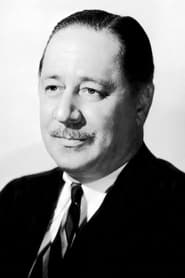
Robert Benchley
Actor
Born: September 15, 1889 in Worcester, Massachusetts, USA Died: November 21, 1945 Active: 1915-1945 Birth Name: Robert Charles Benchley
Films
1 film
About Robert Benchley
Renowned American humorist, actor, and writer who gained fame as a member of the Algonquin Round Table. He began his career as a journalist and drama critic before transitioning to comedy writing and performing. Benchley became famous for his humorous essays and short films that featured him as a befuddled, anxious everyman dealing with everyday situations. He won an Academy Award for Best Short Subject in 1935 for 'How to Sleep' and appeared in numerous feature films throughout the 1930s and early 1940s. His distinctive comedic style, characterized by his deadpan delivery and portrayal of mild-mannered frustration, influenced generations of comedians. Benchley was also a prolific writer, contributing to magazines like The New Yorker and Vanity Fair. He continued working in film until his death in 1945, leaving behind a legacy of sophisticated wit and observational humor.
The Craft
On Screen
Benchley's acting style was characterized by deadpan delivery, subtle physical comedy, and his portrayal of a mild-mannered, perpetually confused intellectual. He specialized in finding humor in everyday frustrations and the anxieties of modern life, often playing a dignified but flustered everyman who maintained his composure despite increasingly absurd situations.
Milestones
- Member of the Algonquin Round Table
- Academy Award winner for 'How to Sleep'
- Prolific film career at MGM and Paramount
- Influential humorist and essayist
- Pioneered short subject comedy films
Best Known For
Iconic Roles
Must-See Films
Accolades
Won
- Academy Award for Best Short Subject (Live Action) for 'How to Sleep' (1935)
Special Recognition
- Hollywood Walk of Fame star
- Influential member of American comedy canon
- Harvard University notable alumnus
Working Relationships
Worked Often With
Studios
Why They Matter
Impact on Culture
Benchley's observational humor and portrayal of the anxious intellectual became a template for American comedy. His essays and short films captured the bewilderment of modern man in the face of increasingly complex society. He helped establish a more sophisticated, literate form of comedy that appealed to educated audiences. His work bridged the gap between literary humor and popular entertainment, paving the way for future comedians who combined intellect with accessibility.
Lasting Legacy
Robert Benchley left an indelible mark on American comedy through his unique blend of intellectual wit and accessible humor. His short films pioneered a style of comedy that influenced television sitcoms and stand-up comedy. His essays remain classics of American humor writing. The 'Benchley character' - the confused but dignified everyman - became an archetype in American entertainment that continues to resonate with audiences today.
Who They Inspired
Benchley's deadpan delivery and portrayal of mild-mannered frustration directly influenced comedians like Bob Newhart, Woody Allen, and Jerry Seinfeld. His approach to finding humor in everyday situations became a staple of observational comedy. The Algonquin Round Table wit he exemplified set a standard for sophisticated American humor. His film work demonstrated how literary humor could translate successfully to visual media.
Off Screen
Benchley married Gertrude Darling in 1914, and they had two sons, Nathaniel and Robert Jr. His personal life was relatively stable compared to his chaotic on-screen persona. Despite his success, he struggled with alcoholism for much of his adult life. He maintained close friendships with other members of the Algonquin Round Table throughout his career and was known as a thoughtful, intellectual presence off-screen.
Education
Phillips Academy (Andover), Harvard University (graduated 1912)
Family
- Gertrude Darling (1914-1945)
Did You Know?
- He was a founding member of the Algonquin Round Table, a group of New York writers and critics known for their wit
- He was the grandfather of Peter Benchley, author of 'Jaws'
- Despite his on-screen persona of being perpetually flustered, he was known as a calm and thoughtful person in real life
- He wrote over 600 essays and articles during his career
- He was afraid of water and couldn't swim, which made his role in 'The Story of Vernon and Irene Castle' particularly challenging
- He once worked as a public relations officer for the American Red Cross during World War I
- He was a heavy smoker, which contributed to his early death at age 56
- His son Nathaniel became a successful children's book author
- He was known for his distinctive moustache and glasses, which became part of his comic persona
- He was one of the first humorists to successfully transition from print to film
In Their Own Words
There are two kinds of people in the world: those who divide the world into two kinds of people, and those who don't.
The trouble with the world is that the stupid are cocksure and the intelligent are full of doubt.
Drawing on my fine command of the English language, I said nothing.
Tell me your troubles, I'm interested in everything. Except your troubles.
Frequently Asked Questions
Who was Robert Benchley?
Renowned American humorist, with credits in this catalog. He was known for his deadpan comedic style and his portrayal of a befuddled everyman in numerous short films and feature movies throughout the 1930s and early 1940s.
What films is Robert Benchley best known for?
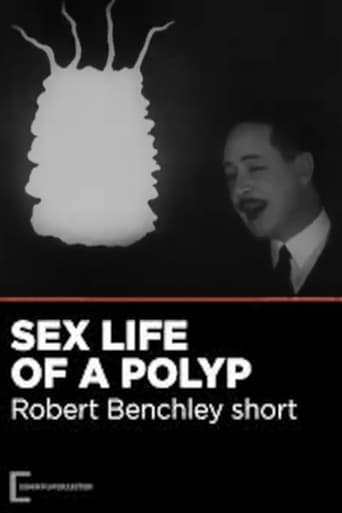
Titles linked here include How to Sleep (1935), The Sex Life of the Polyp (1928).
When was Robert Benchley born and when did he die?
Born September 15, 1889; died November 21, 1945.
What awards did Robert Benchley win?
Benchley won an Academy Award for Best Short Subject (Live Action) in 1935 for 'How to Sleep.' He also received a star on the Hollywood Walk of Fame for his contributions to film.
What was Robert Benchley's acting style?
Benchley's acting style was characterized by deadpan delivery, subtle physical comedy, and his portrayal of a mild-mannered, perpetually confused intellectual. He specialized in finding humor in everyday frustrations and the anxieties of modern life, often playing a dignified but flustered everyman.