Paul Iribe
Director
- Born
- June 14, 1883, Angoulême, France
- Died
- September 23, 1935
- Active
- c. 1900-1935; film directing activity documented in 1925
- Birth name
- Paul Iribarnegaray
Films directed 1
About Paul Iribe
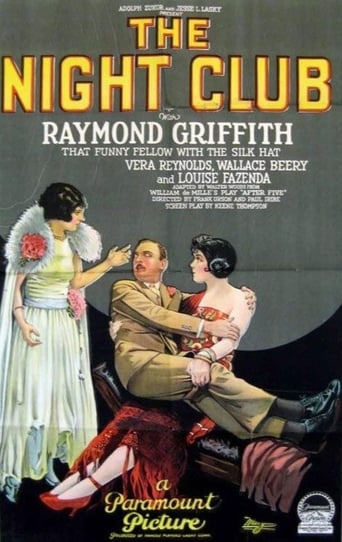
Paul Iribe was a French-born artist, designer, illustrator, and production designer who made a brief but notable foray into cinema in the silent era. Although remembered primarily for his dazzling work in fashion illustration, caricature, interior design, and set decoration, he is credited as the director of the 1925 film The Night Club, reflecting the close ties between avant-garde visual art and early film production in Paris. Iribe was one of the most distinctive visual stylists of his generation, associated with luxury, modernity, and the elegant excesses of interwar French culture. His influence in cinema was less as a career filmmaker than as a visual tastemaker whose eye for design, costume, and staging helped shape the look of fashionable modern life on and off screen. He moved in elite artistic circles and was closely connected with major cultural figures of his era, which helped him bridge illustration, theatre, decorative arts, and film. His life ended abruptly in 1935, cutting short a career that had ranged far beyond cinema and into the highest levels of French artistic culture. In film history, he remains an intriguing example of a celebrated non-cinematic artist who brought a high-design sensibility to silent-era filmmaking.
More about Paul Iribe
Behind the camera
As a director, Paul Iribe is best understood through his background as a designer rather than as a career filmmaker. His likely approach emphasized visual composition, elegant surfaces, fashion, and modern decorative effects, consistent with the refined aesthetic he cultivated in illustration and set design. The surviving record of his directing is limited, but his involvement in cinema suggests a strong emphasis on image, atmosphere, and style over conventional narrative showmanship. He is associated with the kind of visually sophisticated, art-driven silent filmmaking that relied heavily on costume, décor, and visual presentation.
In film history
Paul Iribe’s cultural impact lies less in a large filmography than in the breadth of his influence across visual culture. He helped define an image of chic modernity in early 20th-century France, and his work as an illustrator and designer strongly influenced how fashion, luxury, and elegance were represented in print and design. His involvement in silent cinema, especially as the credited director of The Night Club, shows how artists from related fields contributed to film during the medium’s formative years. He represents the cross-pollination between avant-garde art, fashion, and filmmaking that characterized Parisian modernism. In broader cultural history, his work helped shape the visual vocabulary of high style that would continue to echo in advertising, fashion imagery, and screen design for decades.
Later reputation
Iribe’s lasting legacy is that of a polymathic visual artist whose influence extended far beyond his single credited film. In film history, he remains a specialized but important figure because he exemplifies how early cinema could attract talent from illustration, theatre, and decorative arts. His aesthetic sensibility helped connect silent film with the broader world of luxury design and modern style in interwar France. Although he did not leave behind a major directing career, his name survives through his association with The Night Club and through his broader contributions to visual culture. Scholars of fashion history and Art Deco design continue to regard him as an important figure in the evolution of modern taste.
Influence
Paul Iribe influenced later designers, illustrators, and art directors through his crisp, luxurious, and highly modern visual language. His work helped normalize the idea that fashion illustration and decorative design could be high art, and that the same sensibility could be translated into stage and screen environments. In cinema, his example reflects the importance of interdisciplinary artists in the silent era, when visual imagination was central to filmmaking. While he is not known as a mentor in the film-industry sense, his style and career path influenced later generations of designers who moved between print, fashion, theatre, and film. His role in the visual culture of Paris made him a reference point for artists seeking to merge elegance with modernism.
Off screen
Paul Iribe was a prominent figure in French artistic and social circles and was known for his relationships with influential patrons and cultural personalities. He was married to the writer and fashion icon Jeanne Paquin at one point in his life, and he later had a widely discussed relationship with Coco Chanel, with whom he was romantically linked in the early 1930s. His personal life intersected strongly with the worlds of fashion, design, and elite society, which helped solidify his reputation as a tastemaker. He had at least one daughter, though detailed family information is less consistently documented in mainstream film references. His life was marked by the same intensity and refinement that defined his work, and it ended suddenly in 1935.
Education
Formal educational details are not consistently documented in standard film histories; he is generally understood to have developed through artistic training and professional illustration work in France.
Credits
- Established himself as a major fashion and editorial illustrator in Paris before entering film-related work
- Helped define a sleek, modern visual style associated with luxury, elegance, and high fashion in early 20th-century France
- Expanded his creative work into theatre, interiors, decorative arts, and production design, moving fluidly between art forms
- Directed the silent film The Night Club in 1925, his principal credited directing work in cinema
- Built a reputation as one of the most stylish visual artists of the interwar period and a prominent figure in Parisian artistic circles
Films
- The Night Club (1925)
Collaborators
- Coco Chanel
- Jeanne Paquin
- Artists and designers in Parisian modernist and fashion circles
Studios
- French silent-era film production circles
- Parisian fashion and design houses
- Theatrical and decorative arts production environments
Family
- Jeanne Paquin (marriage dates not consistently documented in standard film references)
Notes
- He is better known today as a designer and illustrator than as a filmmaker.
- His credited directing work in cinema appears to be limited to The Night Club (1925).
- He was part of the same Parisian cultural world that produced major figures in fashion, modern design, and early 20th-century luxury branding.
- His surname is sometimes linked to the family name Iribarnegaray, from which his professional name was derived.
- He had a notable relationship with Coco Chanel, one of the most famous figures in fashion history.
- His work helped bridge the worlds of fine art, commercial illustration, and screen design.
- He was active during the rise of Art Deco aesthetics, and his work reflects that era’s taste for elegance and streamlined modernity.
- Because his film career was brief, he is often discussed in film history primarily as a visual artist who briefly entered cinema.
Questions
Who was Paul Iribe?
Paul Iribe was a French artist, illustrator, designer, and production designer who briefly worked in cinema as a director. He is best known for his visual style, which helped define luxury and modern elegance in early 20th-century French culture. In film history, he is noted primarily for directing The Night Club (1925).
What films is Paul Iribe best known for?
Paul Iribe is best known in cinema for The Night Club (1925), his principal credited film as director. Outside film, his reputation comes more strongly from his illustration, fashion, and design work than from a large directing career. His screen legacy is therefore compact but distinctive.
When was Paul Iribe born and when did he die?
Paul Iribe was born on June 14, 1883, in Angoulême, France. He died on September 23, 1935. His life ended relatively young, after a career that spanned illustration, design, and a brief involvement in film.
What awards did Paul Iribe win?
No major film awards or nominations are commonly documented for Paul Iribe in standard classic cinema references. His importance is historical and artistic rather than awards-based. He is better remembered for his influence on visual culture than for formal film honors.
What was Paul Iribe's directing style?
Paul Iribe’s directing style is best inferred from his background as a designer and illustrator. It likely emphasized composition, elegance, décor, costume, and a refined visual atmosphere rather than a large body of narrative filmmaking. His work fits the silent-era tradition in which visual presentation was central to storytelling.
What was Paul Iribe's legacy in film history?
Paul Iribe’s legacy in film history is that of an interdisciplinary artist who brought high design sensibility into silent-era cinema. Although his directing career was brief, he represents the way artists from fashion and decorative arts contributed to the visual identity of early film. His broader influence endures through his role in modern French style and Art Deco-era aesthetics.