The Night Club
"null"
Plot
After being abandoned at the altar, a young man resolves to swear off women entirely and devote himself to a life unencumbered by romance. His resolve is quickly complicated when he learns that a substantial inheritance is waiting for him, but only if he marries, forcing him to trade his vow of bachelorhood for a practical pursuit of matrimony. He sets out to find a wife, expecting a straightforward arrangement, but his plans are repeatedly upended by misunderstandings, flirtations, and the pressures of high-society maneuvering. As the romantic and financial entanglements grow more absurd, the film builds toward the comic consequences of a man trying to reconcile money, marriage, and wounded pride in a world that treats all three as equally negotiable.
About the Production
The Night Club was produced as a silent-era comedy vehicle for Raymond Griffith, whose screen persona depended on elegant, good-natured comedy and a polished, almost aristocratic style of play. The film is notable for being directed by Paul Iribe, better known primarily as a pioneering illustrator, designer, and artist than as a film director, which makes the project unusual within 1920s American cinema. Available records on exact production circumstances are sparse, and many standard production details such as budget, box office, and filming locations are not reliably documented in surviving reference sources. As with many silent comedies of the period, the humor likely depended on visual business, timing, and character-based farce rather than intertitles-heavy dialogue exchange.
Historical Background
The Night Club was made in 1925, during the height of the American silent feature era, only a few years before synchronized sound began to transform commercial filmmaking. This was a period of rapid refinement in studio comedy: filmmakers were moving beyond primitive slapstick toward more character-driven, socially satirical stories built around money, class, romance, and modern urban manners. The premise of a man who must marry to secure an inheritance fits neatly into the era’s fascination with marriage as both a romantic ideal and a practical economic arrangement. It also reflects the social comedy tone of the 1920s, when postwar prosperity, changing gender roles, and new consumer culture made courtship and status fertile ground for satire. The film matters historically because it represents the work of a distinctive silent comedian and an unusual director whose background in design and illustration connects cinema to broader modernist visual culture.
Why This Film Matters
Although not among the most widely known silent comedies today, The Night Club is culturally significant as an example of how 1920s films used marriage, inheritance, and social performance as comic material. The film also demonstrates the mobility of talent across art forms in the silent era, with Paul Iribe bringing a designer’s sensibility to film direction and Raymond Griffith embodying the era’s taste for sophisticated comedic personas. In modern film-history terms, it is valuable as part of the body of work that documents the range of silent comedy beyond the best-known Chaplin, Keaton, and Lloyd films. For historians, the film is also a reminder of how much silent cinema has been lost or incompletely documented, making surviving references, stills, and archival traces important for reconstructing the period’s entertainment culture.
Making Of
The Night Club is primarily interesting behind the scenes because of the unusual combination of talent attached to it. Paul Iribe was an influential decorative artist and illustrator with strong ties to European modern design, and his work in film reflects the period’s cross-pollination between fashion illustration, art direction, and cinema. Raymond Griffith’s casting suggests the production was aiming for urbane, sophisticated comedy rather than broad slapstick, which aligned with his established screen identity. The surviving record does not preserve detailed anecdotal production accounts, but the film sits within the culture of mid-1920s studio comedy, where visual elegance, costuming, and society settings were often as important as the gags themselves.
Visual Style
Specific cinematographer credit and camera-technique documentation for this title is not consistently available in the commonly cited references, so a detailed shot-by-shot technical description cannot be verified. As a 1925 silent comedy, however, the film would almost certainly have relied on clear staging, expressive blocking, and readable compositions that emphasized character reactions and social spaces. The visual style associated with Raymond Griffith vehicles often favored clean, elegant framing over chaotic visual clutter, allowing costume, gesture, and interaction to carry the humor. If Paul Iribe’s design background influenced the production, then attention to set dressing, fashion, and pictorial balance would have been especially important.
Innovations
The film does not appear to be associated with a major formal or mechanical innovation, but it is notable as part of the mature silent comedy tradition that refined visual timing and social farce. Its significance lies more in style and performance than in technical invention. If anything, its interest comes from the meeting of an illustrator-designer director with a sophisticated silent comic star, a pairing that suggests an emphasis on composed imagery and elegant visual storytelling. In the broader context of silent filmmaking, its techniques would have depended on the mature grammar of the era: title cards used sparingly enough to keep the pace brisk, reaction shots used for comic effect, and staging designed to make plot complications instantly legible.
Music
As a silent film, The Night Club had no synchronized recorded soundtrack at the time of its original release. Like most silent features, it would have been presented with live musical accompaniment in theaters, typically from a pianist, organist, or small orchestra depending on venue and budget. No definitive surviving original cue sheet or commissioned score is readily established in the available references. Modern screenings, when available, may use either improvised accompaniment or a later archival music reconstruction, but that varies by presentation.
Famous Quotes
null
Memorable Scenes
- The opening humiliation in which the protagonist is left standing at his own wedding, establishing the film’s comic premise and emotional motivation.
- The sequence in which the hero discovers that marriage is required to unlock the inheritance, turning romance into a practical business decision.
- The escalating attempts to find a suitable wife, with social maneuvering and comic misunderstandings pushing him deeper into trouble.
Did You Know?
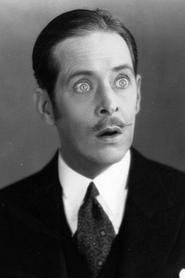
- Raymond Griffith was one of the most stylish comic stars of the silent era, often nicknamed “Silk Hat Harry” for his refined screen persona.
- Paul Iribe was far better known as an illustrator, caricaturist, and designer than as a filmmaker, making this title an interesting outlier in his career.
- The film belongs to the late silent period, when American comedy was becoming more sophisticated in pacing and visual polish while still relying on broad farce.
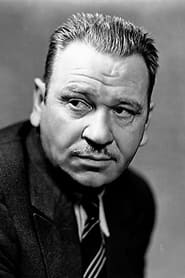
- Wallace Beery appears in the cast, adding a major character actor associated with both comedy and drama in the silent and early sound eras.
- Vera Reynolds was a well-known studio-era actress whose screen presence often combined glamour with light-comedy appeal.
- Surviving documentation on the film is limited compared with more famous silent comedies, so many details about its original production and exhibition are fragmentary.
- The story’s premise reflects a common 1920s comedy setup: marriage treated as both a romantic institution and a financial contract.
- Because the film is from 1925, it was made just a few years before the sound revolution transformed careers like Griffith’s and changed the comedy landscape.
- The title suggests a nightlife or social-club setting, but the central comic engine appears to be the marriage condition attached to the inheritance rather than a literal nightclub revue.
- Silent features like this often depended heavily on physical expressiveness and intertitle rhythm, especially in comedic sequences built around misunderstanding and social embarrassment.
What Critics Said
Contemporary critical reception is not extensively documented in the surviving references readily available today, so a precise consensus from 1925 cannot be stated with confidence. Raymond Griffith was generally regarded as a polished and appealing comic performer, and films built around his image were often appreciated for their wit and elegance rather than anarchic chaos. In later film-historical assessment, The Night Club tends to be discussed more as an obscure or specialized silent-era curiosity than as a canonical comedy. Its critical standing is therefore tied less to a large body of surviving reviews and more to its value as a representative example of 1920s studio comedy and of Griffith’s now less-seen work.
What Audiences Thought
There is no robust surviving audience-reception record easily attributable to this specific film, which is common for mid-1920s titles that were not preserved as enduring repertory favorites. At the time of release, the presence of a recognizable comic lead and a marriage-and-inheritance premise would likely have made it accessible to general silent-film audiences who enjoyed light romantic farce. Audience response today is difficult to measure because the film is not widely circulated, and its availability has historically been limited compared with better-known silent comedies. In contemporary niche viewing contexts, such films often appeal most to silent-cinema enthusiasts, archivists, and viewers interested in the work of underappreciated performers and directors.
Film Connections
Influenced By
- Traditional stage farce
- Early silent society comedies
- Marriage-comedy plot conventions popular in the 1910s and 1920s
This Film Influenced
- null
You Might Also Like
More Comedy Films
View allFilm Restoration
The survival status is unclear in standard reference materials and should be treated cautiously; the film is not widely available in mainstream circulation, and no widely publicized restoration is consistently documented in the sources commonly consulted. For database purposes, it is best described as a rare silent title with limited access rather than a commonly screened restored classic.