Frank Urson
Director
Born: 1887 in Chicago, Illinois, United States Died: August 13, 1928 Active: 1927-1927
Films
1 film
About Frank Urson
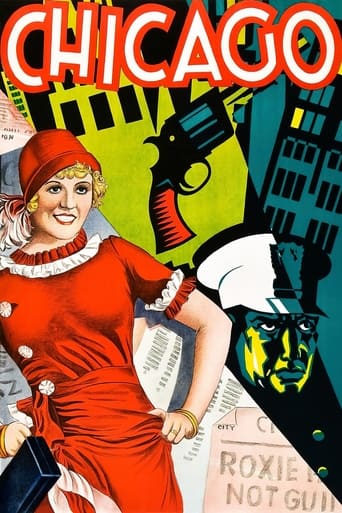
American film director who worked primarily during the silent era of Hollywood. His most notable achievement was directing the 1927 film 'Chicago,' an early adaptation of Maurine Watkins' play that would later become a famous Broadway musical. Urson began his career in the film industry during the 1910s, working his way up through various roles before transitioning to directing. His directorial style reflected the dramatic sensibilities of the silent era, emphasizing visual storytelling and expressive performances. Though his career as a director was relatively brief, 'Chicago' stood out as a significant work that captured the Jazz Age spirit and cynical view of celebrity culture. The film was notable for its sharp social commentary and was considered quite daring for its time. Urson's work represents an important bridge between early silent cinema and the more sophisticated films of the late 1920s.
The Craft
Behind the Camera
Visual storytelling typical of the late silent era, with emphasis on dramatic expression and social commentary
Milestones
- Director of Chicago (1927)
- Early adaptation of the famous Chicago story
- Silent era filmmaker capturing Jazz Age themes
- Worked with major stars of the period
Best Known For
Must-See Films
Accolades
Special Recognition
- Historical recognition for early adaptation of Chicago story
Working Relationships
Worked Often With
Studios
Why They Matter
Impact on Culture
Frank Urson's 'Chicago' (1927) represents an important cultural artifact as the first major film adaptation of the story that would become a cultural phenomenon. The film captured the cynical view of celebrity culture and the corruption of justice that resonated with audiences during the Jazz Age. Though Urson himself did not achieve lasting fame, his work helped establish the Chicago story as a significant American narrative that would be retold for generations. The film's themes of media manipulation and the glamorization of criminals remain relevant today, showing the enduring power of the story Urson brought to the screen.
Lasting Legacy
Frank Urson's legacy is primarily tied to his direction of the 1927 version of 'Chicago,' which stands as an important early film adaptation of a classic American story. While Urson himself remains a relatively obscure figure in film history, his work contributed to the cinematic foundation of what would become one of America's most enduring theatrical and film properties. His version of 'Chicago' is studied by film historians as an example of late silent era filmmaking and as the first screen interpretation of a story that would undergo numerous adaptations. The film demonstrates the sophistication of silent cinema just before the transition to sound, showcasing how complex social themes could be conveyed without dialogue.
Who They Inspired
While Frank Urson's direct influence on other filmmakers is difficult to trace due to his brief career and early death, his work on 'Chicago' influenced subsequent adaptations of the story. His visual approach to the material established certain cinematic conventions for telling this particular story that later directors would reference or modify. The film's success demonstrated that American audiences were receptive to cynical, socially critical content, paving the way for more sophisticated Hollywood productions in the late 1920s and early 1930s.
Off Screen
Frank Urson was born in Chicago in 1887, which may have influenced his connection to the story of 'Chicago.' His career in Hollywood was cut short by his untimely death in 1928 at the age of 41, just one year after his most famous film was released. Little detailed information is available about his personal life, family, or relationships, reflecting his relatively minor status in Hollywood history and the limited documentation of many silent era filmmakers.
Did You Know?
- Chicago (1927) was the first film adaptation of the famous play
- The film starred Phyllis Haver as Roxie Hart, delivering a memorable performance
- Urson died just one year after his most famous film was released
- The film was considered quite daring for its time due to its cynical themes
- Chicago (1927) is now considered a lost film, with only fragments surviving
- The story would later be adapted into the famous Broadway musical and multiple films
- Urson worked for Paramount Pictures during his directing career
- The film captured the Jazz Age atmosphere of 1920s Chicago
- Urson's version predated the famous Ginger Rogers version by 15 years
- The film was notable for its sharp social commentary about media and celebrity culture
Frequently Asked Questions
Who was Frank Urson?
American on YTB.my.' Though his career was brief, he contributed to early Hollywood cinema with his adaptation of what would become a classic American story.
What films is Frank Urson best known for?
Titles linked here include Chicago (1927).
When was Frank Urson born and when did he die?
Born 1887; died August 13, 1928.
What awards did Frank Urson win?
There are no documented awards or nominations for Frank Urson's work, which was common for many directors of the silent era whose contributions were not formally recognized during their lifetime.
What was Frank Urson's directing style?
Urson's directing style reflected the visual storytelling techniques of the late silent era, emphasizing dramatic expression, social commentary, and the sophisticated visual language that characterized late 1920s cinema just before the transition to sound.
Is Frank Urson's version of Chicago still available to watch?
Unfortunately, the 1927 version of 'Chicago' directed by Frank Urson is considered a lost film, with only fragments surviving. This makes it difficult for modern audiences to appreciate his work directly, though its historical significance is well documented.