
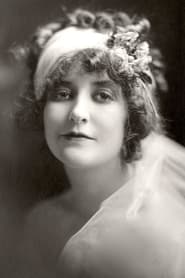
Rhea Mitchell
Actor
- Active
- 1916-1916
Films 1
About Rhea Mitchell
Rhea Mitchell was an American silent-film actress who appeared briefly in the cinema of the 1910s, a period when many performers moved rapidly between stage, vaudeville, and motion pictures. She is credited in films from the mid-1910s, including The Three Musketeers (1916), and her screen career appears to have been concentrated in a very short window during the silent era. Because surviving documentation on performers with limited filmographies can be sparse, she is chiefly remembered through cast listings and archival film records rather than through extensive studio publicity or later-life interviews. Her work belongs to the formative years of American feature filmmaking, when acting styles were still evolving from theatrical presentation toward more naturalistic screen performance. Mitchell's surviving film credits place her among the many early actresses whose contributions helped populate the expanding silent-screen industry even if they did not become major stars. Beyond her recorded screen appearances, detailed information about her later life, personal background, and subsequent career is limited in widely accessible references. She remains a name of interest to silent-cinema researchers and database historians because her credit in a notable historical adventure film preserves her place in early film history.
More about Rhea Mitchell
On screen
No detailed critical descriptions of Rhea Mitchell's acting style are readily preserved in mainstream reference sources. As a silent-era performer, her work would have depended on physical expressiveness, facial nuance, and gesture rather than spoken dialogue. In the absence of contemporary reviews specifically analyzing her performances, it is safest to describe her style as typical of early silent-film acting, likely shaped by the transitional movement from stage-oriented expression toward more restrained cinematic naturalism.
In film history
Rhea Mitchell's cultural impact is best understood as part of the broader foundation of early American cinema rather than through a widely publicized star persona. Performers like Mitchell helped fill out the cast lists of ambitious silent features that introduced audiences to literary adaptations, historical dramas, and serialized adventure storytelling. Her presence in The Three Musketeers places her within one of the recurring touchstones of early screen adaptation, helping bring classic literature to a mass audience in the language of silent film. Even when individual performers did not leave behind large numbers of surviving credits, they contributed to the labor and style that shaped the look and rhythm of the medium during its earliest feature-film years.
Later reputation
Mitchell's legacy lies in her preservation within the film record of the silent era, where many performers are known only through surviving credits, trade references, and archival documentation. For film historians and database researchers, such names are important because they map the personnel who participated in the industrial growth of early Hollywood and its regional production networks. Her appearance in a 1916 adaptation of The Three Musketeers also links her to the early tradition of prestige literary filmmaking that helped legitimize motion pictures as a mainstream entertainment form. Although she does not appear to have become a major public star, her surviving credit ensures that she remains part of the historical memory of silent cinema. In that sense, her legacy is archival as much as artistic: she is one of the many working actors whose careers collectively made early screen history possible.
Influence
There is no strong evidence that Rhea Mitchell directly influenced later generations of actors in a widely documented way. Her importance is instead representative: she stands among the early silent performers whose screen presence helped establish performance conventions for feature films. By participating in a major 1916 literary adaptation, she contributed to the visual and interpretive traditions that later filmmakers and actors would continue to refine. Her influence is therefore indirect, embedded in the broader evolution of silent-film acting and the development of the American motion-picture industry.
Off screen
Publicly accessible biographical information about Rhea Mitchell's personal life is extremely limited. Her marriage history, family background, education, and later years are not well documented in the standard film references available for silent-era performers. As a result, no reliably verifiable details can be stated here without risking confusion with other individuals of similar name or unconfirmed archival records. She appears in film-history sources chiefly as a credited actress rather than as a celebrity whose private life was widely reported.
Credits
- Appeared in the silent historical adventure film The Three Musketeers (1916)
- Worked during the formative era of American feature-length silent cinema
- Represents the many early screen performers whose film credits survive primarily in archival records and cast listings
Roles
- Unnamed role in The Three Musketeers (1916)
Films
- The Three Musketeers (1916)
Notes
- Rhea Mitchell is associated with silent cinema rather than the later sound era.
- Her known film activity is currently documented in 1916.
- She is credited in The Three Musketeers, a classic literary adaptation from the silent period.
- Extensive personal biographical information on her is not readily available in standard reference sources.
- She is an example of the many early film performers whose careers are preserved mainly through cast lists and filmographies.
- Her surviving screen record makes her of interest to silent-film archivists and historians.
- Because her documented filmography is brief, she is often discussed in database contexts rather than in star-biography contexts.
Questions
Who was Rhea Mitchell?
Rhea Mitchell was an American silent-film actress whose documented screen work dates to the 1910s. She is best known from surviving film credits rather than from extensive biographical records, and her name is associated with early feature filmmaking.
What films is Rhea Mitchell best known for?
She is best known for appearing in The Three Musketeers (1916). Her surviving filmography appears to be very short, so that credit is the principal title associated with her in available records.
When was Rhea Mitchell born and when did she die?
Her birth and death dates are not readily verifiable in the standard sources available for this profile. Because the surviving record is limited, it is safest to leave those details as unknown rather than risk misidentification.
What awards did Rhea Mitchell win?
No awards or major honors are readily documented for Rhea Mitchell in the available silent-era references. She appears to have been a working actress of the early film industry rather than a heavily publicized award recipient.
What was Rhea Mitchell's acting style?
No detailed contemporary criticism of her acting style is widely preserved. As a silent-era performer, her work would have relied on expressive physical performance, gesture, and facial expression, which were the core tools of silent film acting.
What is Rhea Mitchell's legacy in film history?
Her legacy is as part of the early silent-film workforce that helped establish feature-length storytelling on screen. Even with limited surviving biographical information, her credited appearance in a major 1916 adaptation preserves her place in cinema history.