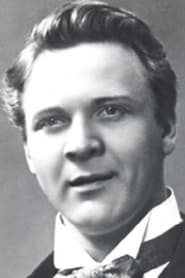
Feodor Chaliapin Sr.
Actor
Born: February 13, 1873 in Kazan, Russian Empire Died: April 12, 1938 Active: 1890-1938 Birth Name: Feodor Ivanovich Chaliapin (Фёдор Иванович Шаляпин)
Films
1 film
About Feodor Chaliapin Sr.
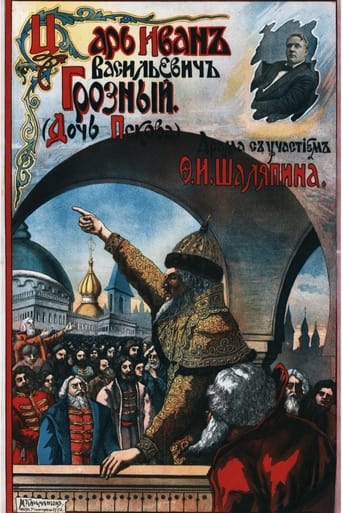
Feodor Ivanovich Chaliapin was born into a peasant family in Kazan, Russia, and rose from poverty to become opera singers of his generation. He began his career in local church choirs and provincial theaters before joining the Bolshoi Theatre in Moscow in 1899, where he quickly gained fame for his powerful bass voice and dramatic intensity. Chaliapin revolutionized operatic performance with his psychological approach to character development, becoming particularly renowned for his portrayals of Boris Godunov, Ivan the Terrible, and Mephistopheles. His international career flourished after 1907, with performances at the Metropolitan Opera in New York, Covent Garden in London, and La Scala in Milan, making him one of the first truly international opera stars from Russia. After the Russian Revolution, Chaliapin initially performed for the new Soviet government but eventually emigrated in 1922, never returning to his homeland. He continued performing internationally until his death, leaving behind a legacy as one of the greatest operatic basses in history and a pioneer of realistic operatic acting. His brief film career included the 1915 silent film 'Tsar Ivan Vasilevich The Terrible,' where he portrayed the title role, bringing his operatic intensity to the emerging medium of cinema.
The Craft
On Screen
Chaliapin's acting style was revolutionary for its time, combining method-like character study with powerful emotional expression. He approached each role with deep psychological analysis, creating fully realized characters rather than simply singing the notes. His performances were marked by extraordinary physical transformation, using makeup, costumes, and body language to completely inhabit his characters. On film, he adapted his operatic intensity to the silent medium, using exaggerated gestures and facial expressions that were appropriate for early cinema while maintaining the dramatic depth that characterized his stage work.
Milestones
- Debut at the Bolshoi Theatre in Moscow (1899)
- First international tour to Italy (1901)
- Metropolitan Opera debut in New York (1907)
- Performance in 'Tsar Ivan Vasilevich The Terrible' film (1915)
- Emigration from Soviet Russia (1922)
- Final concert performance in Paris (1937)
- Publication of autobiography 'Mask and Soul' (1932)
Best Known For
Iconic Roles
Must-See Films
Accolades
Won
- Officier de la Légion d'honneur (France, 1926)
- People's Artist of the RSFSR (1918, revoked after emigration)
Special Recognition
- Star on the Hollywood Walk of Fame (for contributions to recording)
- Inducted into the Gramophone Hall of Fame
- Honorary member of numerous European academies of music
Working Relationships
Worked Often With
Studios
Why They Matter
Impact on Culture
Chaliapin fundamentally transformed the art of operatic performance by introducing unprecedented psychological realism and dramatic intensity. His approach to character development influenced not only opera but also theater and early film acting, establishing new standards for artistic authenticity. He was one of the first classical performers to achieve true international stardom, bridging cultural divides and bringing Russian music to global audiences. His recordings helped preserve operatic traditions and introduced classical music to mass audiences through emerging technology. Chaliapin's emigration and continued success abroad represented the complex relationship between Russian artists and the Soviet regime, highlighting the tensions between artistic freedom and political loyalty.
Lasting Legacy
Chaliapin's legacy endures through his recordings, which remain benchmarks for operatic performance, particularly in Russian repertoire. He established the template for the modern operatic bass, combining vocal power with dramatic credibility that influenced generations of singers. His autobiography and writings provide invaluable insights into the artistic life of the early 20th century. The Chaliapin Museum in Moscow and his preserved homes continue to celebrate his contributions to music and culture. His son, Feodor Chaliapin Jr., became a notable actor, continuing the family's artistic legacy in film.
Who They Inspired
Chaliapin's influence extends far beyond opera, affecting acting techniques in theater and film through his emphasis on psychological authenticity. His method of character study anticipated later developments in method acting. He demonstrated how classical performers could adapt to new media, successfully transitioning from opera houses to recording studios and film. His international career paved the way for future Russian artists to achieve global recognition. Many later opera singers, including Maria Callas and Luciano Pavarotti, cited Chaliapin as an inspiration for their dramatic approach to performance.
Off Screen
Chaliapin's personal life was as dramatic as his performances. He married twice, first to Italian dancer Iola Tornagi, with whom he had six children, and later to Maria Valentinovna Petzold. His family life was complicated by his constant touring and international fame. After emigrating from Soviet Russia, he settled primarily in Paris but maintained homes in other European cities. His relationship with the Soviet government remained strained until his death, though he never publicly criticized the regime. Chaliapin was known for his generosity and often helped fellow Russian emigrants financially.
Education
Largely self-taught; received informal vocal training in church choirs and provincial theaters; studied briefly with singer Dimitri Usatov
Family
- Iola Tornagi (1896-1927)
- Maria Petzold (1927-1938)
Did You Know?
- Was illiterate until age 16, yet became
- His voice range extended over two and a half octaves, extraordinary for a bass
- Was the first opera singer to perform at the Hollywood Bowl (1926)
- His portrait was painted by famous artists including Ilya Repin and Konstantin Korovin
- Spoke multiple languages fluently but always performed with a Russian accent
- His famous 'Song of the Volga Boatmen' recording sold over a million copies
- Was friends with Charlie Chaplin, who admired his acting technique
- His makeup techniques for character transformation were studied by early film actors
- Refused to return to Soviet Russia despite being offered amnesty and honors
- His signature role of Boris Godunov was performed over 500 times during his career
In Their Own Words
The artist must be a philosopher, but not in words - in his work.
When I sing, I don't just make sounds - I become the character.
The voice is only the instrument; the soul is the music.
In opera, as in life, truth is the most powerful thing.
I left Russia, but Russia never left me.
Frequently Asked Questions
Who was Feodor Chaliapin Sr.?
Legendary Russian opera singer and with credits in this catalog. Born in 1873, he revolutionized operatic performance through his dramatic intensity and psychological approach to character. Beyond his opera career, he appeared in films including the 1915 silent film 'Tsar Ivan Vasilevich The Terrible.'
What films is Feodor Chaliapin Sr. Best known for?
Titles linked here include Tsar Ivan Vasilevich The Terrible (1915), Don Quichotte (1933).
When was Feodor Chaliapin Sr. Born and when did he die?
Born February 13, 1873; died April 12, 1938.
What awards did Feodor Chaliapin Sr. Win?
Chaliapin was named an Officier de la Légion d'honneur by France in 1926 and was briefly honored as a People's Artist of the RSFSR in 1918 before this was revoked after his emigration. He received numerous honors from European academies and has a star on the Hollywood Walk of Fame for his recording contributions.
What was Feodor Chaliapin Sr.'s acting style?
Chaliapin's acting style was revolutionary for its psychological depth and complete character transformation. He approached roles with method-like intensity, using extensive makeup, body language, and emotional authenticity. His style influenced both opera and theater acting, emphasizing the unity of vocal and dramatic performance.