
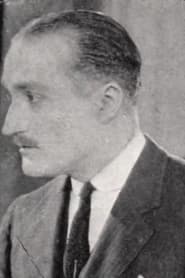
Ernest Hilliard
Actor
Born: May 31, 1890 in New York City, New York, USA Died: September 3, 1947 Active: 1925-1935
Films
2 films
About Ernest Hilliard
American character actor who worked during the transitional period from silent films to early talkies in Hollywood. Born in New York City in 1890, he began his film career in the mid-1920s, appearing in numerous supporting roles that capitalized on his distinctive appearance and reliable screen presence. His most notable film appearance came in 1929's 'Say It with Songs,' starring Al Jolson, where he played a supporting role during the critical period when sound was revolutionizing the film industry. Throughout the early 1930s, Hilliard continued to find steady work in character parts, often playing businessmen, officials, or authority figures in both dramatic and musical productions. Ernest appears in several significant films of the era including 'The Big Trail' (1930) alongside a young John Wayne, though his roles were typically uncredited or minor. As the studio system solidified and star power became increasingly important, Hilliard's opportunities gradually diminished, and he transitioned away from film work by the mid-1930s. He spent his final years away from the entertainment industry before passing away in 1947 at the age of 57, leaving behind a filmography that shows the many working actors who formed the backbone of Golden Age Hollywood.
The Craft
On Screen
Hilliard specialized in playing authoritative and professional characters, often portraying businessmen, officials, or figures of authority. His acting style was typical of the transitional period between silent and sound films, emphasizing clear diction and exaggerated gestures that translated well to early sound recording technology. He had a dignified screen presence that made him suitable for roles requiring gravitas and reliability, though he rarely had the opportunity to display significant emotional range in his primarily supporting roles.
Milestones
- Appeared in 'Say It with Songs' (1929) starring Al Jolson
- Supporting role in 'The Big Trail' (1930)
- Transitioned successfully from silent films to talkies
- Worked during the critical early sound period of Hollywood
- Maintained steady employment as a character actor throughout the early 1930s
Best Known For
Iconic Roles
Must-See Films
Working Relationships
Worked Often With
Studios
Why They Matter
Impact on Culture
Ernest Hilliard represents the thousands of working actors who formed the essential foundation of Hollywood's Golden Age, providing the reliable character performances that allowed major stars to shine. While never achieving fame himself, his participation in early talkies like 'Say It with Songs' places him at a crucial moment in film history when the industry was transitioning from silent to sound technology. His ability to adapt to the new requirements of sound acting demonstrated the resilience and versatility required of character actors during this period of rapid technological change. Hilliard's career trajectory also illustrates the challenging nature of Hollywood employment, where even reliable performers could find themselves marginalized as the studio system evolved and star power became increasingly concentrated among a select few actors.
Lasting Legacy
Ernest Hilliard's legacy lies primarily in his contribution to the early Hollywood cinema, where actors like him provided the essential supporting framework for the films of the late 1920s and early 1930s. His work in transitional films like 'Say It with Songs' serves as valuable documentation of the techniques and styles employed by actors adapting to sound technology. While his name may not be remembered by film enthusiasts today, his performances survive as part of the historical record of American cinema's development. Hilliard represents the journey of countless actors who found success during one era of filmmaking only to see their opportunities diminish as the industry evolved, making his career a microcosm of the broader changes affecting Hollywood workers during this transformative period.
Who They Inspired
As a character actor rather than a star, Ernest Hilliard's direct influence on other performers was likely limited. However, his successful transition from silent films to talkies demonstrated the adaptability required of actors during this crucial period of technological change. His reliable performances in supporting roles helped establish patterns for character acting that would be refined and expanded upon by subsequent generations of Hollywood actors. The professional demeanor and technical proficiency he brought to his roles, particularly in early sound films, contributed to the development of acting techniques suited to the new medium of sound cinema, indirectly influencing the craft of character acting in Hollywood.
Off Screen
Ernest Hilliard was born and raised in New York City before making his way to Hollywood during the boom years of the film industry. He married and had at least one child, though details about his family life remain scarce due to his status as a supporting actor rather than a major star. Unlike many Hollywood figures of his era, Hilliard managed to maintain a relatively private personal life away from the gossip columns. After his film career wound down in the mid-1930s, he appears to have left the entertainment industry entirely, suggesting he may have had other professional skills or financial means to support himself. He passed away in 1947 at the age of 57, having witnessed the complete transformation of the film industry from silent pictures to the Golden Age of Hollywood studio productions.
Did You Know?
- Born in New York City in 1890, making him part of the generation that witnessed the birth of cinema
- Appeared in 'Say It with Songs' (1929), one of Al Jolson's early talkie musicals
- Had a role in 'The Big Trail' (1930), which was an early starring vehicle for John Wayne
- Successfully navigated the difficult transition from silent films to talkies when many actors struggled
- Often played businessmen, officials, and authority figures due to his dignified appearance
- His film active years covered exactly the decade when Hollywood underwent its most significant technological changes
- Never achieved star status but maintained steady employment as a reliable character actor
- Left the film industry entirely by the mid-1930s, suggesting he had other career options or financial security
- Died in 1947, just as Hollywood was entering its post-war golden age
- Like many supporting actors of his era, much of his personal life remains undocumented in film histories
Frequently Asked Questions
Who was Ernest Hilliard?
American character with credits in this catalog. He is best known for his appearance in 'Say It with Songs' (1929) starring Al Jolson and maintained steady employment as a reliable character actor throughout the early sound era.
What films is Ernest Hilliard best known for?
Titles linked here include Say It with Songs (1929), The Big Trail (1930).
When was Ernest Hilliard born and when did he die?
Born May 31, 1890; died September 3, 1947.
What awards did Ernest Hilliard win?
Ernest Hilliard did not receive any major awards or nominations during his career. As a character actor working primarily in supporting roles during the early sound era, he was not typically recognized by the award systems that focused more on leading performances and major star contributions.
What was Ernest Hilliard's acting style?
Ernest Hilliard specialized in portraying authoritative and professional characters, often playing businessmen, officials, or figures of authority. His acting style was typical of the transitional period between silent and sound films, emphasizing clear diction and dignified presence that translated well to early sound recording technology, making him particularly effective in character parts requiring gravitas and reliability.