
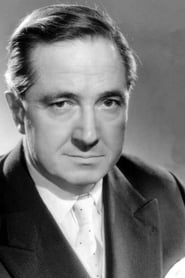
Léo Joannon
Director
Born: August 21, 1903 in Aix-les-Bains, France Died: March 28, 1969 Active: 1936-1958 Birth Name: Léon Joseph Joannon
Films
1 film
About Léo Joannon
Made significant contributions to French cinema during the mid-20th century. Born Léon Joseph Joannon in 1903, he began his career in the film industry during the 1930s, establishing himself as a versatile director capable of working across multiple genres. Joannon's directorial style often blended social commentary with entertainment, particularly evident in his comedies that reflected post-war French society. He gained particular recognition for discovering and working with emerging talent, most notably giving Louis de Funès one of his early significant roles in 'Utopia' (1951). Throughout his career, Joannon directed approximately 20 films between 1936 and 1958, demonstrating remarkable consistency in his output despite the challenging circumstances of World War II and its aftermath. His work encompassed dramas, comedies, and social realist films, showcasing his adaptability and keen understanding of French cultural sensibilities. Joannon's career trajectory reflected the evolution of French cinema itself, from the poetic realist movement to the more commercially driven productions of the 1950s.
The Craft
Behind the Camera
Joannon's directing style was characterized by its versatility and social awareness, often blending entertainment with subtle commentary on French society. He demonstrated particular skill in comedy, utilizing timing and situational humor while maintaining a realistic grounding in everyday French life. His approach to directing actors was collaborative, allowing performers to develop their characters organically, which was especially evident in his work with comedic talents. Joannon's visual style was straightforward and functional, prioritizing storytelling over technical experimentation, making his films accessible to broad audiences. He had a keen eye for casting, often identifying talent before they achieved widespread recognition.
Milestones
- Directed 'Utopia' (1951) featuring Louis de Funès in an early significant role
- Established himself as a reliable director during the challenging wartime period
- Successfully transitioned from dramatic films to comedy in the post-war era
- Worked with major French stars including Bourvil and Louis de Funès
- Directed over 20 feature films spanning two decades
Best Known For
Must-See Films
Working Relationships
Worked Often With
Studios
Why They Matter
Impact on Culture
Léo Joannon's cultural impact lies primarily in his contribution to the development of French comedy cinema during the post-war period. His film 'Utopia' (1951) provided an important platform for Louis de Funès, who would become one of France's most beloved comic actors. Joannon's work reflected the social changes and aspirations of French society during the 1940s and 1950s, capturing the mood of a nation recovering from war and seeking entertainment that was both familiar and forward-looking. His films often addressed themes of class struggle, social mobility, and the tension between tradition and modernity, making them valuable cultural documents of their time. Joannon's ability to balance commercial appeal with artistic integrity influenced subsequent generations of French filmmakers who sought to create popular cinema with substance.
Lasting Legacy
Léo Joannon's legacy in French cinema history is that of a reliable craftsman who helped maintain the continuity of French film production during difficult historical periods. While not as celebrated as some of his contemporaries like Jean Renoir or Marcel Carné, Joannon played a crucial role in the ecosystem of French cinema, providing steady work for actors and crew members while delivering entertainment to French audiences. His most lasting contribution is arguably his early recognition of Louis de Funès' talent, which helped launch one of French cinema's most iconic careers. Joannon's body of work serves as an important bridge between the pre-war poetic realist tradition and the more commercially oriented French cinema of the 1950s and 1960s.
Who They Inspired
Joannon's influence on other filmmakers is primarily indirect, through his role as a mentor and opportunity-provider for emerging talent. His collaborative directing style and willingness to take chances on new performers set an example for subsequent generations of French directors. His films demonstrated that commercial cinema could address social issues without sacrificing entertainment value, a balance that many French directors have continued to pursue. The success of actors he helped launch, particularly Louis de Funès, created opportunities for more character-driven comedy in French cinema, influencing the types of films that producers were willing to finance.
Off Screen
Léo Joannon maintained a relatively private personal life despite his public career in French cinema. He was known among colleagues as a dedicated professional who prioritized his craft over celebrity status. Joannon lived through. His ability to continue working during this period demonstrated his adaptability and professional resilience. In his later years, he retreated from the public eye, living in Neuilly-sur-Seine until his death in 1969.
Education
Limited information is available about Joannon's formal education, though it is known he entered the film industry in the early 1930s, suggesting he may have been largely self-taught or received training through practical experience in the French film system.
Did You Know?
- His real name was Léon Joseph Joannon, but he used the shortened 'Léo' professionally
- He gave Louis de Funès one of his first significant film roles in 'Utopia' (1951)
- His active years covered
- He worked as both director and screenwriter throughout his career
- Despite directing over 20 films, relatively little biographical information about him exists in English
- His film 'Utopia' was also known under alternative titles in different markets
- He was active during the transition from studio-dominated French cinema to the New Wave
- His films often featured ensemble casts rather than relying on single star vehicles
- He continued working as a director well into the 1950s, adapting to changing audience tastes
- His death in 1969 coincided with the height of the French New Wave movement
Frequently Asked Questions
Who was Léo Joannon?
French on YTB.my. He was particularly significant for giving early career opportunities to actors like Louis de Funès and for maintaining a steady output of films during challenging historical periods including World War II.
What films is Léo Joannon best known for?
Titles linked here include Utopia (1951), Les Casse-pieds (1948).
When was Léo Joannon born and when did he die?
Born August 21, 1903; died March 28, 1969.
What awards did Léo Joannon win?
There are no documented major awards or nominations specifically attributed to Léo Joannon, which was not uncommon for directors of his era who focused primarily on commercial cinema rather than artistic films. His legacy is instead measured by his consistent output and his role in developing talent like Louis de Funès.
What was Léo Joannon's directing style?
Joannon's directing style was characterized by versatility and social awareness, often blending entertainment with subtle commentary on French society. He excelled particularly in comedy, utilizing timing and situational humor while maintaining realistic grounding. His approach was collaborative with actors and functionally visual, prioritizing accessible storytelling over technical experimentation.