Films
1 film
About Cesare Zocchi
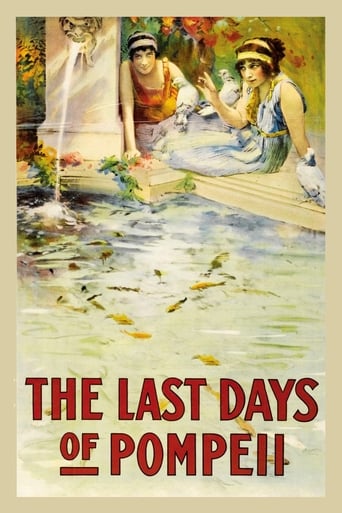
Cesare Zocchi appears once in this catalog: The Last Days of Pompeii (1913). His known filmography consists of a single appearance in the 1913 Italian historical spectacle 'The Last Days of Pompeii' (Gli ultimi giorni di Pompeii), directed by Mario Caserini. This film was part of Italy's tradition of producing grand historical epics that showcased the country's rich cultural heritage and technical prowess in filmmaking. Zocchi's career appears to have been extremely brief, spanning only the year 1913, which was not uncommon for many actors in the early days of cinema when careers could be fleeting and documentation was often incomplete. Like many performers of this era, Zocchi contributed to the foundation of cinematic storytelling during a period when the art form was still establishing its conventions and techniques. His participation in this significant early Italian epic places him among the pioneers of cinema, even though his individual legacy remains obscure.
The Craft
Milestones
- Appeared in the Italian epic 'The Last Days of Pompeii' (1913)
- Participated during Italy's golden age of silent cinema
Best Known For
Must-See Films
Working Relationships
Worked Often With
Why They Matter
Impact on Culture
Cesare Zocchi's contribution to cinema, while minimal in scope, represents the collective effort of countless early actors who helped establish the foundation of film as an art form. His appearance in 'The Last Days of Pompeii' places him within the context of Italy's significant contribution to early cinema, particularly in the historical epic genre that would later influence Hollywood productions. The film itself was part of a wave of Italian spectacles that demonstrated cinema's potential for grand storytelling and visual effects, techniques that would become staples of the industry. Though his individual impact may be difficult to trace, Zocchi represents the many anonymous performers who were essential to cinema's development during its formative years.
Lasting Legacy
Cesare Zocchi's legacy is primarily that of an early cinema pioneer who participated in one of the notable Italian epics of the silent era. While he did not achieve lasting fame or recognition, his work contributes to our understanding of the vast network of actors, directors, and technicians who built the foundations of the film industry. His brief career exemplifies the transient nature of early film careers and the challenges of preserving individual contributions from cinema's earliest decades. Today, he serves as a reminder of the countless forgotten artists who played crucial roles in establishing cinema as the dominant art form of the 20th century.
Who They Inspired
Given the brevity of his known career and the obscurity of his personal details, it is difficult to trace any direct influence that Cesare Zocchi may have had on subsequent performers or filmmakers. However, his participation in early Italian cinema places him within a tradition that would later influence international filmmaking, particularly in the epic and historical genres. The techniques and approaches developed during this period, in which he was a participant, would help shape the future of cinema worldwide.
Off Screen
Very little is known about Cesare Zocchi's personal life, which is typical for many actors from the earliest days of cinema when detailed biographical information was rarely preserved. Like many performers of his era, he appears to have had a brief career in the film industry during a time when acting was often considered a temporary occupation rather than a lifelong profession.
Did You Know?
- The Last Days of Pompeii (1913) was one of several adaptations of Edward Bulwer-Lytton's 1834 novel filmed during the silent era
- Italian cinema of the early 1910s was known for its historical epics and spectacles, often outshining American productions in scale and ambition
- The film was directed by Mario Caserini, one of Italy's directors who made over 100 films between 1906 and 1921
- 1913 was considered a peak year for Italian cinema, with the industry producing numerous internationally successful films
- Many actors from this period had careers that lasted only a few years due to the transient nature of early film work
- The destruction of Pompeii was a popular subject for early filmmakers due to its dramatic visual potential
- Silent film actors of this era often came from theatrical backgrounds and had to adapt their acting styles for the camera
- Early Italian films like this one were often distributed internationally, helping establish cinema as a global medium
Frequently Asked Questions
Who was Cesare Zocchi?
Screen credits include the 1913 historical epic 'The Last Days of Pompeii.' His career appears to have been extremely brief, spanning only the year 1913, making him one of the many obscure figures from early cinema history.
What films is Cesare Zocchi best known for?
Titles linked here include The Last Days of Pompeii (1913).
When was Cesare Zocchi born and when did he die?
Unfortunately, the birth and death dates of Cesare Zocchi are not known, which is common for many actors from the earliest days of cinema. His only known film work dates from 1913, placing his career during the era of silent film.
What awards did Cesare Zocchi win?
Cesare Zocchi did not receive any known awards or honors, which was typical for most actors during the early 1910s when formal award systems for cinema had not yet been established. The Academy Awards would not be created until 1929, well after his known career ended.
What was Cesare Zocchi's acting style?
Specific details about Cesare Zocchi's acting style are not documented. However, actors in Italian silent films of this period typically employed theatrical techniques adapted for the camera, with exaggerated gestures and expressions to convey emotion without dialogue. His participation in a historical epic suggests he was part of Italy's tradition of grand, dramatic filmmaking.