
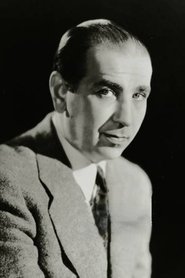
Paul L. Stein
Director
Born: February 4, 1892 in Vienna, Austria-Hungary Died: May 2, 1951 Active: 1918-1949 Birth Name: Paul Ludwig Stein
Films
2 films
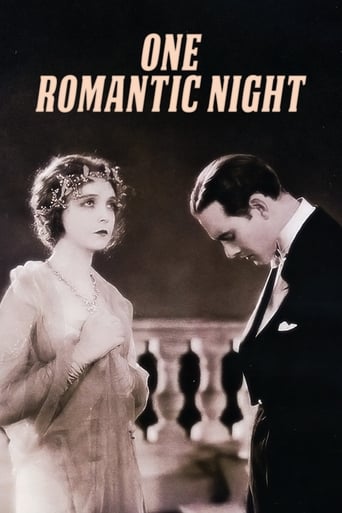
About Paul L. Stein
Austrian-born film director who enjoyed a prolific international career spanning three decades and multiple countries. Born in Vienna in 1892, Stein began his directorial career in the Austrian and German film industries during the silent era, establishing himself as a capable director of both dramas and comedies. He successfully transitioned to sound films and moved to Hollywood in the late 1920s, where he directed several notable productions for major studios including the 1930 comedy 'Sin Takes a Holiday' starring Constance Bennett. After his Hollywood period, Stein relocated to England where he continued directing films throughout the 1930s and 1940s, becoming particularly known for his work on British melodramas and thrillers. His career demonstrated remarkable adaptability across different film industries, languages, and the technological transition from silent to sound cinema. Stein's final directorial work came in the late 1940s before his death in London in 1951, leaving behind a diverse filmography that reflected the global nature of early cinema.
The Craft
Behind the Camera
Paul L. Stein was known for his efficient, professional directing style that emphasized clear storytelling and strong performances. He demonstrated particular skill in handling melodramatic material and romantic comedies, often focusing on stories with strong emotional cores. His direction was characterized by smooth pacing and an ability to extract nuanced performances from his actors, particularly in romantic scenes. Stein adapted well to the technical demands of early sound films while maintaining the visual sophistication of his silent film background. His work showed a consistent ability to work within studio constraints while delivering commercially successful entertainment.
Milestones
- Director of 'Sin Takes a Holiday' (1930)
- Successful transition from European to Hollywood cinema
- Prolific director in British film industry during 1930s-1940s
- Directed over 50 films across multiple countries
- Master of both silent and sound film techniques
Best Known For
Must-See Films
Working Relationships
Worked Often With
Studios
Why They Matter
Impact on Culture
Paul L. Stein represents the international character of early cinema, having worked successfully across multiple national film industries during a transformative period in film history. His career exemplifies the migration of European film talent to Hollywood and the subsequent flow of directors to the British film industry. Stein's ability to navigate different cultural contexts and film industries helped bridge cinematic traditions between continental Europe, America, and Britain. His work during the transition from silent to sound films demonstrated the technical and artistic adaptability required of directors during this crucial period in cinema history.
Lasting Legacy
While not as widely remembered as some of his contemporaries, Paul L. Stein left a significant legacy as a versatile and journeyman director who contributed to the development of both European and Anglophone cinema. His filmography provides valuable insight into the international nature of film production during the early 20th century. Stein's successful navigation of different film industries and his ability to work across language barriers paved the way for future generations of international directors. His films, particularly his British work, remain important examples of popular cinema from the 1930s and 1940s.
Who They Inspired
Stein influenced the development of international co-productions and demonstrated the viability of directors working across different national cinema traditions. His technical proficiency in both silent and sound films provided a model for other directors transitioning to talkies. His work in British cinema during the 1930s helped establish professional standards that would influence subsequent generations of British filmmakers. Stein's career path from European cinema to Hollywood and then to Britain prefigured the increasingly global nature of film direction in later decades.
Off Screen
Paul L. Stein was married twice during his lifetime. His first marriage was to actress Lili Damita, though this union ended in divorce. He later married Elizabeth Montagu, with whom he remained until his death. Stein spent his final years in London, England, where he continued working in the British film industry until health issues forced his retirement. His international career reflected the cosmopolitan nature of early 20th century cinema, with personal and professional connections spanning Vienna, Berlin, Hollywood, and London.
Education
Educated in Vienna, Austria; specific educational institutions not documented
Family
- Lili Damita (1925-1928)
- Elizabeth Montagu (1935-1951)
Did You Know?
- Began his career as an actor before transitioning to directing
- Was one of many European directors who found success in Hollywood during the early sound era
- His first wife Lili Damita later married Errol Flynn
- Spoke multiple languages fluently, which helped his international career
- Directed films in German, English, and French
- Was particularly popular in Britain where he directed over 20 films
- His 1936 film 'The Beloved Vagabond' was a notable adaptation of a popular novel
- Worked with major stars of the era including Constance Bennett and Margaret Lockwood
- His films often featured strong romantic elements and melodramatic plots
- Survived the transition from silent to sound films better than many of his contemporaries
Frequently Asked Questions
Who was Paul L. Stein?
Austrian-born on YTB.my. He was known for directing melodramas and comedies, successfully transitioning from silent films to sound pictures.
What films is Paul L. Stein best known for?
Titles linked here include Sin Takes a Holiday (1930), The Gay Defender (1927).
When was Paul L. Stein born and when did he die?
Born February 4, 1892; died May 2, 1951.
What was Paul L. Stein's directing style?
Stein was known for his efficient, professional directing style emphasizing clear storytelling and strong performances, particularly in melodramas and romantic comedies. He excelled at smooth pacing and extracting nuanced performances from actors.
Did Paul L. Stein work in multiple countries?
Yes, Stein had a truly international career, working in Austria and Germany during the silent era, moving to Hollywood in the late 1920s, and then spending the latter part of his career directing films in Britain.
Was Paul L. Stein married to any famous actresses?
Yes, his first wife was Lili Damita, a notable French actress who later married Errol Flynn. Their marriage lasted from 1925 to 1928.