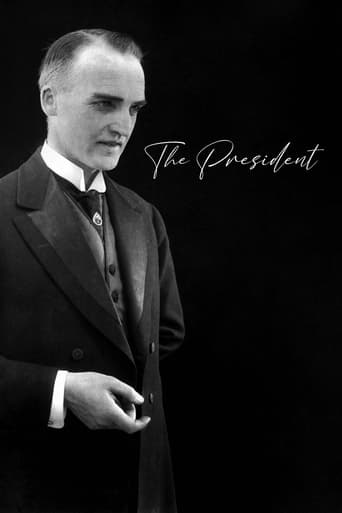
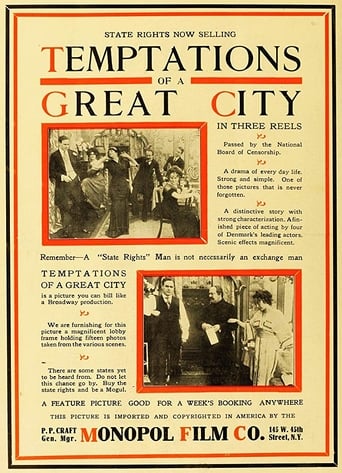
Films
2 films
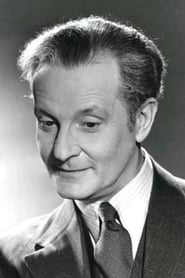
About Richard Christensen
Silent film actor who worked during the early years of American cinema. His screen career ran from 1911 to 1919, appearing in at least two notable films of the era. He was part of the generation of actors who helped establish the language of cinema during its formative years. Christensen appeared in 'Temptations of a Great City' in 1911, one of the early feature-length productions of the time. His final known film appearance was in 'The President' (1919), suggesting his career may have concluded around the end of World War I. Like many actors of his generation, he worked during the transition from short films to feature-length productions. Unfortunately, like many early cinema performers, detailed records of his life and career remain scarce.
The Craft
Milestones
- Appeared in 'Temptations of a Great City' (1911)
- Appeared in 'The President' (1919)
Best Known For
Must-See Films
Why They Matter
Impact on Culture
Richard Christensen represents the many anonymous actors who contributed to the development of early cinema during the silent era. His work in films like 'Temptations of a Great City' (1911) places him among the pioneers who helped establish narrative filmmaking techniques. While not a major star, actors like Christensen were essential to the growing film industry, providing the human element that made early motion pictures compelling to audiences. His active years covered a crucial period in cinema history, from the early 1910s through the end of World War I, when the medium was evolving from simple novelties to sophisticated storytelling art forms.
Lasting Legacy
Richard Christensen's legacy is primarily historical, representing the countless actors who participated in cinema's earliest days. His film appearances serve as documentation of the early American film industry's growth. Like many silent era performers whose careers were brief or whose films have been lost, Christensen's contribution exists primarily in film archives and historical records rather than in public memory. His work in 'Temptations of a Great City' and 'The President' provides valuable insight into the types of productions and performances that characterized American cinema during its formative years.
Did You Know?
- Richard Christensen's active years covered only eight years, from 1911 to 1919
- He appeared in films during the transitional period when cinema was evolving from shorts to features
- His filmography represents the typical output of many early silent era actors
- Like many early cinema performers, detailed biographical information about him is scarce
- His known films were produced during a pivotal era in American film history
Frequently Asked Questions
Who was Richard Christensen?
Screen credits include at least two films: 'Temptations of a Great City' (1911) and 'The President' (1919). He was part of the generation of actors who helped establish American cinema during its formative years.
What films is Richard Christensen best known for?
Titles linked here include Temptations of a Great City (1911), The President (1919).
When was Richard Christensen born and when did he die?
Unfortunately, detailed biographical information about Richard Christensen, including his birth and death dates, is not available in historical records, which is common for many early silent era actors.
What awards did Richard Christensen win?
There are no records of Richard Christensen receiving any major awards or nominations, which was typical for many actors of his era during the early days of cinema before formal award systems were established.
What was Richard Christensen's acting style?
Specific details about Richard Christensen's acting style are not documented in available historical records. Like many early silent era actors, his performances would have reflected the theatrical and exaggerated style common in cinema before the development of more naturalistic acting techniques.