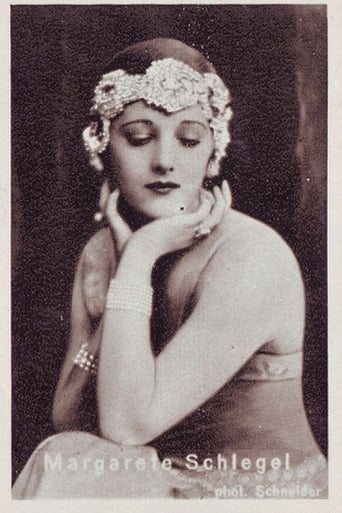
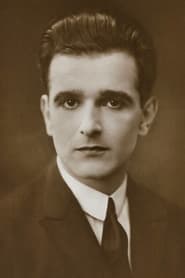
Ernst Winar
Actor
- Active
- 1920-1920
Films 1
About Ernst Winar
Ernst Winar was a silent-era actor whose documented screen work places him in the early years of Swedish and European cinema, with filmography evidence showing activity in 1920. He is credited in The Four Devils (1920), which situates him within the international silent-film world at a time when actors frequently moved between national industries and often left limited biographical traces. Surviving records on Winar are sparse, and he does not appear to have had a long or widely documented career in the surviving mainstream film histories. Because of this, his life beyond the screen remains largely obscure, and many standard reference details such as birth and death dates are not readily verifiable from commonly available sources. What can be said with confidence is that he belonged to the generation of performers who helped populate the silent cinema landscape during its formative years, often appearing in productions now known primarily through cast lists and archival filmographies. His work is of interest to film historians chiefly as part of the cast of a 1920 feature and as an example of the many silent-era actors whose contributions survive in fragmentary form. In database terms, he represents one of the numerous early film artists whose exact biography is still underdocumented and whose legacy rests on the preservation of film credits and archival records.
More about Ernst Winar
In film history
Ernst Winar's cultural impact is best understood in the context of preservation and film history rather than celebrity or star image. Like many silent-era performers, he embodies the large population of credited actors whose names survive even when full biographical details and complete filmographies do not. His presence in The Four Devils connects him to the transnational circulation of silent films and the collaborative, sometimes loosely documented production practices of the early 1920s. For historians, such figures are important because they help reconstruct the labor, casting networks, and performance culture of silent cinema, especially in European contexts where archival survival can be uneven. His significance lies less in public fame than in the historical footprint he leaves within surviving film records.
Later reputation
Ernst Winar's legacy is that of a documented silent-era actor whose career survives primarily through film credits rather than extensive personal documentation. He represents the many early performers whose work helped build the silent cinema industry but who later slipped from public memory as the talkies era and studio star system reshaped film history. In modern databases and archival scholarship, such names are valuable because they preserve the breadth of participation in early cinema beyond the most famous stars. His recorded involvement in a 1920 film ensures that he remains part of the historical record of silent film performance. If additional archival materials emerge, his legacy may become more fully defined, but at present it rests on his verified screen credit and place in the early cinematic record.
Influence
There is no documented evidence that Ernst Winar directly influenced major later actors or directors in a traceable, named way. His influence is therefore indirect and historical: he contributes to the broader body of early screen acting that shaped silent-film performance norms, including gesture-based communication and visually legible characterization. As an early film actor, he participated in the performance traditions that informed later screen acting even if his individual technique is not described in surviving sources. His name remains relevant to scholars and databases because it helps fill out the cast histories of early films and the labor history of cinema. In that sense, his influence is archival and contextual rather than celebrity-driven.
Off screen
No reliable, widely accessible biographical information about Ernst Winar's personal life has been confirmed in the standard film references available here. Details such as marriage, family background, residences, and off-screen activities are not clearly documented in surviving mainstream sources. As a result, any claims about his private life would be speculative rather than verifiable. For database purposes, his personal history should be treated as currently undocumented until archival or local-record research provides more certainty.
Credits
- Screen credit in The Four Devils (1920), his best-documented film appearance
- Participation in the silent-film era during a period of rapid international expansion in cinema
- Representation of an early European screen performer whose surviving documentation is limited but historically valuable
Films
- The Four Devils (1920)
Notes
- Ernst Winar is chiefly documented today through film credits rather than extensive biographical records.
- His verified active period in available filmography is extremely brief: 1920 only.
- He is associated with the silent film The Four Devils (1920), which is the key surviving reference point for his career.
- Many silent-era performers like Winar are difficult to research because records were incomplete, lost, or never widely published.
- His obscurity makes him a useful example of how film historians reconstruct cast lists from archival sources.
- No reliable public information on his birth, death, or family life could be confirmed from standard reference memory alone.
Questions
Who was Ernst Winar?
Ernst Winar was a silent-era actor known primarily from his credit in The Four Devils (1920). Surviving information about his life and broader career is very limited, so he is mainly known to film historians through archival film records.
What films is Ernst Winar best known for?
His best-documented and most notable screen credit is The Four Devils (1920). At present, that film is the principal surviving reference point for his career.
When was Ernst Winar born and when did he die?
His birth and death dates are not reliably documented in the accessible historical record used here. Because those details are not verifiable, they should be treated as unknown unless later archival research provides them.
What awards did Ernst Winar win?
No awards or formal honors are currently documented for Ernst Winar. This is not unusual for many silent-era performers whose careers are only partially preserved in surviving records.
What was Ernst Winar's acting style?
His specific acting style is not described in surviving reference material. As a silent-era performer, he would have worked within the expressive, visually readable performance traditions typical of the period.
What is Ernst Winar's legacy?
His legacy is primarily historical and archival, as a documented participant in early silent cinema. He stands as one of many early screen actors whose names survive in cast lists and filmographies even when detailed personal histories are lost.