The Four Devils
Plot
The Four Devils is a silent drama adapted from Herman Bang's novella "De fire Djævle" ("The Four Devils" / "Les quatre diables"), and it centers on the emotional and moral disruption created by a traveling circus. The story follows a gifted young acrobat whose rise inside the circus world is complicated by love, rivalry, and the pressure of performance, while the strict discipline of the troupe collides with private passion. As relationships become increasingly tangled, the film moves toward tragedy, using the circus milieu as both a spectacle and a metaphor for instability, danger, and the fragility of human desire. Like many melodramas of the period, it depends on heightened visual expression rather than dialogue, and its narrative is shaped by atmosphere, gesture, and symbolic conflict. The film was one of several silent adaptations of Bang's novella and was noted at the time as a substantial success, though it is now considered lost.
About the Production
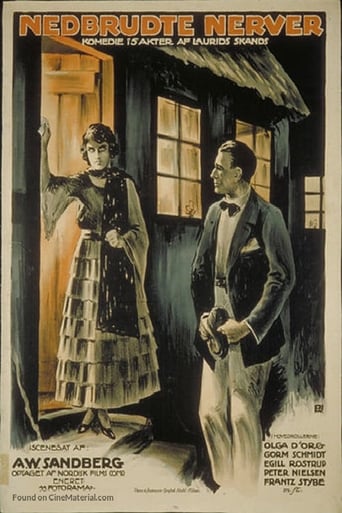
This Danish silent feature was directed by A. W. Sandberg, one of the major Danish directors of the era and an important figure in the country's late silent cinema. It was adapted from Herman Bang's novella "Les quatre diables" / "De fire Djævle," and it belongs to a cycle of early screen versions of the story that also includes F. W. Murnau's later and better-known American film, "4 Devils" (1928). Contemporary sources indicate that Sandberg's version was a notable success in its day, suggesting strong audience interest in prestige literary adaptations and circus melodramas. As with many Scandinavian silent productions of the period, precise financial records, surviving production paperwork, and detailed release documentation are limited or unavailable, and the film itself is now believed to be lost.
Historical Background
The Four Devils was made in 1920, in the immediate post-World War I era, when Scandinavian cinema was still exerting significant artistic influence even as the center of commercial filmmaking was shifting increasingly toward the United States. Danish cinema had already produced internationally recognized directors and stars in the 1910s, and literary adaptations remained a major route for prestige production. Herman Bang, a prominent Danish author, was especially attractive to filmmakers because his work often combined psychological nuance with dramatic situations that could be rendered visually in silent form. The circus setting also resonated with early twentieth-century audiences, reflecting modern entertainment culture while symbolizing instability, illusion, and the precarious social roles of performers. As a lost film, it now matters not only as a cultural artifact of Danish silent cinema but also as part of the broader prehistory of Murnau's later and more famous adaptation.
Why This Film Matters
Although the film no longer survives, it remains culturally significant as an example of early Danish literary adaptation and as part of the cinematic afterlife of Herman Bang's novella. Its existence demonstrates how Scandinavian filmmakers helped establish a tradition of refined, psychologically inflected drama that influenced European film culture well beyond Denmark. The film is also important because it helped establish the novella's reputation on screen before Murnau's version made the title internationally famous; in that sense, it is part of a longer and often overlooked adaptation history. For scholars of lost cinema, the film is a reminder that many important works are known only through documentation and critical references, which can still shape our understanding of silent-era aesthetics and transnational film circulation. Its circus milieu also places it within a recurring cultural fascination with performance, identity, and spectacle that continued throughout film history.
Making Of
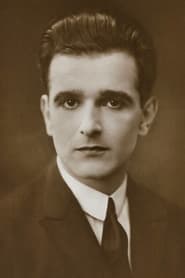
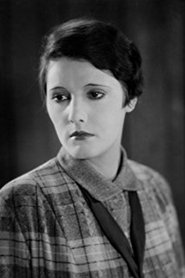
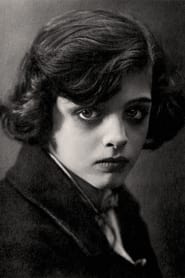
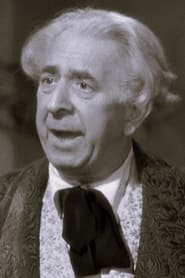
Very little detailed behind-the-scenes documentation survives for this production, which is typical for a number of Scandinavian silent films from the period. What is known is that A. W. Sandberg worked from Herman Bang's novella, a source text that had already attracted interest for its emotional intensity and circus setting, both of which were well suited to expressive silent cinema. The cast included Ernst Winar, Margarete Schlegel, and Adolphe Engers, though surviving materials do not consistently preserve detailed role assignments or production anecdotes. The film's reputation as a contemporary success suggests that it was mounted as a substantial prestige project rather than a minor program item. Like many films of the era, sets, performance style, and camera staging would have been designed to communicate mood and social tension through strong visual contrasts, but the absence of a surviving print prevents closer analysis.
Visual Style
No detailed shot-by-shot cinematographic analysis is possible because the film is lost, but it would have belonged to the polished visual style associated with Danish silent drama in the late 1910s and early 1920s. Sandberg's films were often noted for controlled staging, expressive composition, and a strong emphasis on legible emotion and spatial clarity. Given the circus setting, the film likely contrasted the public spectacle of performance with intimate offstage drama, a common silent-era technique for visualizing inner conflict. The imagery would almost certainly have relied on gesture, framing, and mise-en-scène rather than intertitles alone to communicate the escalating tensions among the characters. Surviving references imply a professional, carefully produced visual style typical of major Danish features of the period.
Innovations
There are no specific technical innovations securely documented for this film, but its significance lies in the craft traditions of Danish silent production and in the confident adaptation of a psychologically charged literary work to the screen. The use of a circus environment would have presented staging challenges, especially in balancing spectacle with intimate melodrama, and such material often required careful coordination of extras, props, and movement. Its success suggests that the production achieved a high level of polish in performance and visual storytelling. Because the film is lost, any claims about special effects, camera tricks, or set design should remain cautious; the strongest historical claim is its place in the refined tradition of early Scandinavian narrative cinema.
Music
As a 1920 silent film, The Four Devils would originally have been screened with live musical accompaniment, but no original composed score is known to survive in the available record. Music would have varied by venue, with accompanists or theater musicians selecting pieces appropriate to the drama and circus setting. There is no documented standardized soundtrack or later restoration score associated with the surviving historical record. Any modern presentation would therefore depend on archival reconstruction, if the film were to be rediscovered, or on contextual musical practice for silent cinema if shown in educational settings.
Memorable Scenes
- Circus performances that underline the tension between public spectacle and private emotion, using the arena as a visual metaphor for the characters' unstable lives.
- The progressive unraveling of relationships within the troupe, a classic silent melodrama structure that builds conflict through gesture and spatial separation.
- A likely climactic tragedy shaped by the dangerous world of performance, in which the circus setting amplifies the emotional stakes of the story.
Did You Know?
- The film is one of at least three silent adaptations of Herman Bang's circus novella, placing it in an unusual lineage of early literary screen versions.
- It predates F. W. Murnau's famous American adaptation, "4 Devils," by eight years.
- The 1920 Danish version was directed by A. W. Sandberg, a prolific and respected Danish filmmaker who specialized in visually polished melodramas and literary adaptations.
- The film is now considered lost, which makes surviving information about its casting, staging, and exact running time difficult to verify.
- Its success at the time is often mentioned in film history discussions as evidence of the popularity of Herman Bang adaptations in Scandinavia.
- The presence of circus themes connects it to a broader silent-era fascination with performance spaces, exotic spectacle, and precarious identity.
- Ernst Winar, Margarete Schlegel, and Adolphe Engers are among the credited cast members associated with this production.
- Because the film is lost, it is primarily known today through catalog records, period references, and film-historical scholarship rather than from direct viewing.
What Critics Said
Contemporary reception is described in film-historical sources as positive, with the film regarded as a success at the time of release. Because the film is lost, there is no modern critical reassessment based on direct viewing, and evaluations depend largely on archival records, the reputation of the source text, and the standing of A. W. Sandberg within Danish film history. Critics and historians generally treat it as an important but inaccessible example of Sandberg's work and of early Danish prestige filmmaking. In modern scholarship, it is often discussed in relation to Herman Bang adaptations and the later Murnau film rather than as a widely analyzed work in its own right. Its critical legacy is therefore shaped more by historical position than by surviving footage.
What Audiences Thought
Available information indicates that the film was well received by audiences at the time of its release and was considered a success. Exact box-office figures and attendance data do not survive in the sources typically consulted for this film, but the repeated note of its success suggests that it found a receptive audience for its melodramatic and literary qualities. Like many silent-era prestige dramas, its appeal likely rested on recognizable source material, emotional performance, and the visually rich circus setting. Today, audience reception is necessarily indirect because the film is lost; it is encountered mainly through historical discussion, where interest tends to come from silent-film enthusiasts, Herman Bang readers, and scholars of Scandinavian cinema.
Film Connections
Influenced By
- Herman Bang's novella "Les quatre diables" / "De fire Djævle
- Danish literary realism and psychological drama
- Silent-era circus melodramas
- Early Scandinavian prestige cinema
This Film Influenced
- 4 Devils (1928)
You Might Also Like
More Drama Films
View allMore from A.W. Sandberg
View allFilm Restoration
The film is believed to be lost, with no known surviving complete print in standard archival references. Its survival status makes it one of many silent-era works known primarily through catalog entries, reviews, and film-historical mention rather than direct access. No restoration of the complete film is known from the available record.