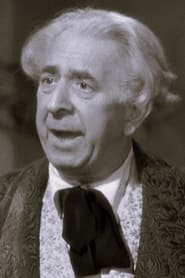
Emil Rameau
Actor
- Active
- 1920-1923
Films 2
About Emil Rameau
Emil Rameau was a German stage and film actor whose screen career fell in the silent era, with documented film work appearing in the early 1920s. He is credited in productions such as The Four Devils (1920) and Wilhelm Tell (1923), placing him among the working character actors who helped bridge prestige stage performance and the expanding European silent cinema industry. Because surviving reference material on him is limited, his biography is more securely traced through film credits than through a fully documented public life, but his screen appearances suggest he was an established theatrical performer brought into cinema during a period when German-language film production was flourishing. His work in historical and dramatic material fits the era’s preference for classically trained actors capable of carrying emotion through expressive gesture and facial nuance rather than dialogue. Rameau appears to have worked during a formative period for German cinema, when production values, literary adaptations, and historical subjects were becoming internationally significant. His known filmography indicates an active but relatively compact screen career, after which he does not appear frequently in later film reference sources. As with many early European performers, much of his personal life and later career remains obscure, but his surviving credits preserve his place in silent-era film history.
More about Emil Rameau
On screen
Specific contemporary descriptions of Emil Rameau's acting technique are not widely preserved, but as a silent-era German actor he would almost certainly have relied on disciplined physical expressiveness, controlled gesture, and strong facial characterization. Performers of this period, especially those with stage backgrounds, typically emphasized clarity of emotion and composure suitable for historical and dramatic roles. His known casting in serious material suggests a dignified, authoritative screen presence rather than broad comedy or highly mannered caricature. In the absence of detailed reviews, his style is best understood as part of the refined acting tradition that supported prestige silent productions.
In film history
Emil Rameau's cultural impact lies less in celebrity status than in the broader importance of experienced character actors to early European cinema. Performers like Rameau helped silent films achieve dramatic credibility, especially in literary and historical adaptations that depended on believable authority figures and emotionally legible performances. His credits in the early 1920s place him within a crucial period of German film development, when the nation’s cinema was shaping styles that would influence world filmmaking. Even where individual documentation is sparse, actors such as Rameau contributed to the ensemble culture that made silent-era productions durable and artistically ambitious.
Later reputation
Rameau's legacy is that of a surviving name from the silent-film era whose work is preserved through film credits rather than extensive biographical archives. He stands as an example of the many professional stage actors who helped establish silent cinema’s performance standards, particularly in German-language historical and dramatic films. For film historians, his presence in notable early-1920s productions helps map the network of working actors who supported the era's production culture. His filmography, though small in surviving reference sources, remains part of the historical record of early European screen acting.
Influence
There is no well-documented evidence that Emil Rameau directly mentored later stars, but his work belonged to the performance tradition that influenced silent-era screen acting generally. As a classically trained or stage-adjacent performer in German cinema, he likely contributed to the acting norms of restraint, precision, and emotional readability that later film performers continued to adapt. His influence is therefore indirect and historical rather than personal: he represents the generation of actors whose work helped define the silent screen’s dramatic language.
Off screen
Reliable biographical information about Emil Rameau's personal life is scarce in surviving public records and film reference sources. His marriage history, family background, and private life are not readily documented in standard classic-cinema references. Because he was active in the silent era and appears to have been a relatively minor or specialized screen performer, later biographical coverage is limited. No well-established controversies or public scandals are associated with his name in the available film history material.
Education
Not documented in the available classic-cinema reference material; he may have had stage training consistent with many German actors of his era, but specific educational details are unavailable.
Credits
- Appeared in the silent-era production The Four Devils (1920), one of his documented screen credits.
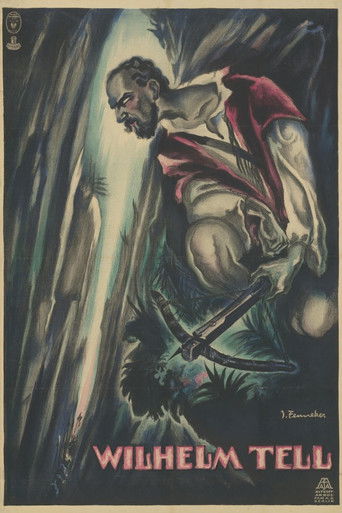
- Appeared in Wilhelm Tell (1923), linking him to a major European literary-historical adaptation.
- Worked during the height of early German silent cinema, a period known for ambitious historical and dramatic productions.
- Represents the classically trained stage actors who moved into film during the silent era to lend performances gravitas and theatrical discipline.
- Maintained a documented screen presence across at least the early 1920s, suggesting professional activity in the film industry during that window.
Roles
- Role in The Four Devils (1920)
- Role in Wilhelm Tell (1923)
Films
- The Four Devils (1920)
- Wilhelm Tell (1923)
Notes
- Emil Rameau is documented in only a small number of surviving film credits, which is common for many silent-era European actors.
- His known filmography places him in the early 1920s, during a particularly important phase of German cinema.
- The Four Devils (1920) and Wilhelm Tell (1923) suggest that he worked in dramatic and/or historical productions rather than lightweight entertainment.
- Because so little biographical detail survives, he is a useful example of how many silent-era performers are remembered primarily through cast lists and production records.
- His name appears in film history sources as a German actor, but detailed personal information such as birth and death dates is not readily confirmed.
- Actors like Rameau often came from the stage, bringing theatrical discipline into early film performance.
- His career illustrates how supporting and character actors contributed significantly to the texture of silent films even when they were not major stars.
Questions
Who was Emil Rameau?
Emil Rameau was a German silent-era actor known for appearing in early 1920s films. He is documented in productions such as The Four Devils (1920) and Wilhelm Tell (1923), which place him within the historical and dramatic cinema of the period.
What films is Emil Rameau best known for?
He is best known for The Four Devils (1920) and Wilhelm Tell (1923). These are the main surviving screen credits commonly associated with his name in classic film references.
When was Emil Rameau born and when did he die?
His birth and death dates are not reliably documented in the available classic-cinema reference material. Likewise, his birth and death places are not clearly established in standard film-history sources.
What awards did Emil Rameau win?
No awards or formal honors are currently documented for Emil Rameau in the available reference sources. This is not unusual for many silent-era character actors whose careers were recorded more through film credits than through awards coverage.
What was Emil Rameau's acting style?
As a silent-era German actor, Rameau would have relied on expressive physical acting, strong facial control, and clear emotional presence. His documented roles suggest a dignified, serious style well suited to historical and dramatic productions.
What is Emil Rameau's legacy in film history?
His legacy is that of a working silent-era actor who helped populate the important German films of the early 1920s. Even with limited surviving biographical information, his film credits place him in a significant period of European cinema development.