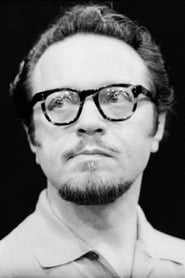
Alfred Drake
Actor
Born: October 7, 1914 in New York City, New York, USA Died: July 25, 1992 Active: 1935-1975 Birth Name: Alfred Capurro
Films
1 film
About Alfred Drake
Alfred Drake, born Alfred Capurro, was primarily a Broadway star who made limited but notable appearances in film. He rose to prominence as baritone singers and actors of the Golden Age of musical theater, originating the role of Curly in Rodgers and Hammerstein's landmark production 'Oklahoma!' in 1943. His powerful voice and commanding stage presence made him a leading figure in American musical theater throughout the 1940s and 1950s. While his film career was brief, including the 1945 documentary 'Diary of a Sergeant,' his stage performances earned him multiple Tony Awards and critical acclaim. Drake also originated roles in other Broadway hits including 'Kismet' and 'The King and I,' though he was replaced by Yul Brynner in the latter's film adaptation. His screen career spanned the early 1940s through the 1970s, during which he also appeared in television productions and taught drama at prestigious institutions. Drake's legacy remains primarily rooted in his contributions to musical theater, where he set standards for male leads in Broadway productions.
The Craft
On Screen
Drake was known for his rich baritone voice and commanding stage presence, bringing a naturalistic acting style to musical theater that helped bridge the gap between operatic and contemporary performance styles. His approach emphasized emotional authenticity and character depth, making his musical numbers feel integral to the storytelling rather than mere performances.
Milestones
- Originated role of Curly in 'Oklahoma!' (1943)
- Won Tony Award for 'Kismet' (1954)
- Appeared in 'Diary of a Sergeant' (1945)
- Taught drama at Juilliard and Hunter College
- Originated role in 'The Vagabond King' revival
Best Known For
Iconic Roles
Must-See Films
Accolades
Won
- Tony Award for Best Actor in a Musical for 'Kismet' (1954)
- Tony Award for Best Actor in a Musical for 'Kismet' (1954) - Special citation
- Donaldson Award for 'Oklahoma!' (1943)
Nominated
- Tony Award nomination for 'The Lark' (1955)
- Tony Award nomination for 'Time Remembered' (1958)
Special Recognition
- Inducted into American Theater Hall of Fame
- Theatre World Award for 'Oklahoma!' (1943)
Working Relationships
Worked Often With
Studios
Why They Matter
Impact on Culture
Alfred Drake played a pivotal role in shaping the modern musical theater genre through his groundbreaking work in 'Oklahoma!,' which revolutionized Broadway by integrating songs, dance, and storytelling in unprecedented ways. His portrayal of Curly set the standard for the leading man in American musical theater, combining traditional masculinity with emotional vulnerability and vocal excellence. Drake's work helped establish the baritone as the ideal voice type for male musical theater leads, influencing casting decisions for decades. His transition from stage to film in 'Diary of a Sergeant' demonstrated his versatility as a performer during wartime, contributing to the morale-boosting efforts of Hollywood productions.
Lasting Legacy
Alfred Drake's enduring legacy lies in his foundational contributions to the Golden Age of Broadway musical theater, particularly through his notable performance in 'Oklahoma!' which helped define the American musical as we know it today. His technique and vocal style influenced generations of musical theater performers, and his teaching career ensured the continuation of his artistic principles. Though his filmography was limited, his impact on American performing arts remains profound, with his recordings and performances still studied by aspiring actors and singers. Drake represents the bridge between classical operatic performance and contemporary musical theater, helping to legitimize the latter as a serious art form.
Who They Inspired
Drake's naturalistic acting style in musical theater influenced countless performers who followed, including Broadway legends like John Raitt and Gordon MacRae. His approach to character development through song became a model for musical theater performers, demonstrating that emotional truth could be conveyed through musical numbers as effectively as through dialogue. His students at Juilliard and Hunter College have carried his techniques into theaters across the country, ensuring his artistic philosophy continues to shape American theater. Drake's success proved that classically trained singers could succeed in popular entertainment, opening doors for many classically trained performers in musical theater.
Off Screen
Alfred Drake was married twice during his lifetime. His first marriage was to Esther, which ended in divorce. He later married Anita Darian, a mezzo-soprano singer, with whom he remained until his death. Drake was known as a private person who preferred to keep his personal life out of the public eye, focusing primarily on his craft and teaching. In his later years, he dedicated himself to educating the next generation of performers while occasionally returning to the stage.
Education
Brooklyn College (Bachelor of Arts), Juilliard School (advanced studies)
Family
- Esther (1938-1952)
- Anita Darian (1953-1992)
Did You Know?
- Changed his professional name from Capurro to Drake early in his career
- Was the first actor to sing "Oh, What a Beautiful Mornin
- on stage',
- His performance in 'Diary of a Sergeant' was one of his few film appearances
- Served in the Army Air Forces during World War II
- Was offered the film role of Curly in the movie version of 'Oklahoma!' but turned it down
- Taught alongside other Broadway legends at Juilliard
- Was known for his meticulous preparation and dedication to craft
- His voice spanned nearly three octaves
- Was considered for the lead in 'Camelot' but was not cast
- Received a special Tony citation for his contribution to American theater
In Their Own Words
The stage is not just a platform for performance, but a place where truth can be revealed through the marriage of music and drama.
In musical theater, every song must advance the story and reveal character - never simply entertain for its own sake.
The baritone voice is the perfect instrument for the American leading man - it carries both strength and sensitivity.
Frequently Asked Questions
Who was Alfred Drake?
Renowned Broadway star and baritone singer who originated notable roles in musical theater, most famously Curly in 'Oklahoma!' While primarily known for his stage work, he also appeared in the 1945 film 'Diary of a Sergeant.' He won multiple Tony Awards and was considered one of the leading figures of the Golden Age of Broadway musical theater.
What films is Alfred Drake best known for?
Titles linked here include Diary of a Sergeant (1945).
When was Alfred Drake born and when did he die?
Born October 7, 1914; died July 25, 1992.
What awards did Alfred Drake win?
Alfred Drake won the Tony Award for Best Actor in a Musical for his performance in 'Kismet' in 1954, along with numerous other accolades including the Theatre World Award and multiple Donaldson Awards. He was also inducted into the American Theater Hall of Fame in recognition of his contributions to Broadway.
What was Alfred Drake's acting style?
Drake was known for his naturalistic acting style that brought emotional authenticity to musical theater. He combined classical vocal training with contemporary acting techniques, creating performances that were both musically brilliant and dramatically compelling. His approach helped establish new standards for realism in musical theater performance.