Gordon Wiles
Director
Born: March 24, 1889 in St. Louis, Missouri, USA Died: October 17, 1950 Active: 1910s-1936
Films
1 film
About Gordon Wiles
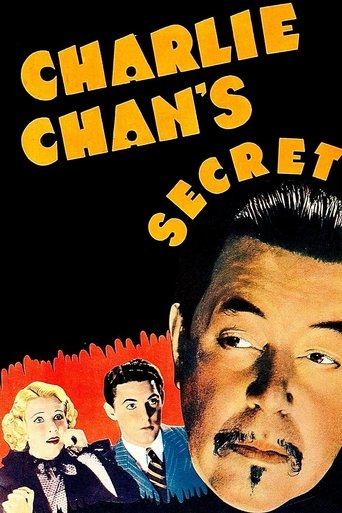
American film art director and director: the silent era, the early sound period, and the mid-1930s. He first made his mark in Hollywood behind the camera as a production designer and art director, a craft that shaped the visual texture of numerous studio productions before he moved into directing. Wiles is remembered primarily for his work on early sound films and for directing the 1936 mystery Charlie Chan's Secret, a title that places him within recognizable detective-film series of classic Hollywood. His directing career was relatively brief compared with his work in art direction, but it connected him to the studio-era system in which visual design and efficient genre storytelling were central. He is also noted in film history for his Academy Award recognition in art direction, which underscores that his reputation rests as much on visual craft as on directing. Wiles remains a smaller but notable figure from the classic studio era, especially for researchers interested in craftsmen who moved between production design and direction. His career reflects the fluidity of early Hollywood labor, where talented studio artists could step into directing when opportunities arose. He died in 1950, leaving behind a compact but historically interesting body of work.
The Craft
Behind the Camera
Wiles's directing style appears to have been that of a practical studio craftsman rather than an overtly signature-auteur figure. His known direction, including Charlie Chan's Secret, fits the economical, tightly constructed genre filmmaking typical of 1930s studio productions. Because he came from art direction, his films are associated with an attention to sets, composition, and visual clarity, with an emphasis on supporting story momentum rather than drawing attention to flamboyant technique. His work suggests efficiency, atmosphere, and a professional command of mystery and suspense material.
Milestones
- Built a strong reputation in Hollywood as an art director during the silent and early sound eras
- Won the Academy Award for Best Art Direction for Transatlantic (1931)
- Moved into directing in the 1930s, including Charlie Chan's Secret (1936)
- Worked across the transition from silent cinema to the polished early sound studio system
- Contributed to the visual sophistication of studio-era production design
Best Known For
Must-See Films
Accolades
Won
- Academy Award for Best Art Direction for Transatlantic (1931)
Working Relationships
Worked Often With
Studios
Why They Matter
Impact on Culture
Gordon Wiles contributed to the visual language of early Hollywood at a time when art direction was becoming a crucial component of studio prestige. His Academy Award-winning work on Transatlantic helped establish the importance of design, composition, and production values in the emerging sound era, when films were rapidly redefining their look and feel. Although he is not among the most famous names of classic cinema, his career exemplifies the many skilled craftsmen whose work made studio-era filmmaking polished and internationally competitive. His move into directing also reflects an important Hollywood pattern in which behind-the-scenes artists were sometimes called upon to helm features, especially genre pictures that relied on efficiency and atmosphere.
Lasting Legacy
Wiles's lasting legacy lies primarily in his achievement as an art director and in the reminder that classic Hollywood was built by artists whose names are often less familiar to modern audiences. His Oscar-winning production design is part of the historical record of early sound cinema's visual development, while his directing credit on Charlie Chan's Secret secures his place in detective-film history. For film historians, he represents the skilled studio professional who could shape a film from both the design and directing side of production. His career is a useful example of the craftsmanship underlying the Golden Age studio machine.
Who They Inspired
Wiles influenced the visual standards of studio filmmaking through his art direction, particularly in the transition to sound cinema when sets, spatial arrangement, and atmosphere became even more important. While he did not become a major directing stylist with a large school of followers, his work helped define the professional polish expected of Hollywood genre films in the 1930s. His career demonstrates how art directors could inform the look of later productions and how strong visual planning supported efficient storytelling in mystery and drama films.
Off Screen
Publicly available biographical information on Gordon Wiles is limited compared with that of marquee Hollywood personalities. He was active in the studio system at a time when artisans behind the camera were often less publicly documented than stars and directors. Known records focus primarily on his professional work rather than detailed accounts of marriages, children, or private life. He is associated with Hollywood craft traditions more than with a widely recorded celebrity biography.
Education
No reliable detailed educational background is widely documented in standard film references; his career is best understood through his professional work in Hollywood production design and direction.
Did You Know?
- He won an Academy Award for art direction before his directing career is the aspect most often remembered by casual film fans.
- Charlie Chan's Secret is his best-known directing credit and links him to one of Hollywood's most popular mystery series.
- His career is an example of a Hollywood craftsman moving between departments in the studio era.
- He worked during one of cinema's most transformative periods: the shift from silent films to sound films.
- His name is often encountered in film history because of his Oscar-winning work rather than because he was a prolific director.
- He is part of the generation of film artisans whose visual contributions shaped the classic studio look.
Frequently Asked Questions
Who was Gordon Wiles?
American film art on YTB.my. He is best known for winning an Academy Award for art direction and for directing the 1936 mystery Charlie Chan's Secret. His career reflects the studio-era tradition of skilled craftsmen moving between design and directing.
What films is Gordon Wiles best known for?
Titles linked here include Transatlantic (1931), Charlie Chan's Secret (1936).
When was Gordon Wiles born and when did he die?
Born March 24, 1889; died October 17, 1950.
What awards did Gordon Wiles win?
His most important award was the Academy Award for Best Art Direction for Transatlantic (1931). That Oscar is the major documented honor most often associated with his name. No additional major awards are widely recorded in standard references.
What was Gordon Wiles's directing style?
Wiles appears to have been a practical, visually attentive studio director rather than a highly stylized auteur. His directing reflects the efficient pacing and polished atmosphere expected of 1930s genre filmmaking, with an emphasis on clear storytelling and effective composition. His background as an art director likely influenced his attention to sets and visual arrangement.
What is Gordon Wiles's legacy in film history?
His legacy rests on his work as a respected Hollywood art director who helped shape the look of early sound cinema and won an Academy Award for his efforts. His directing credit on Charlie Chan's Secret gives him a secondary place in classic mystery-film history. He is remembered as a behind-the-scenes craftsman whose contributions helped define studio-era professionalism.