Films
2 films
About Paul Escoffier
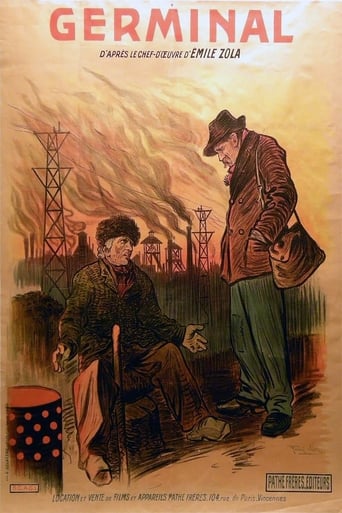
Paul Escoffier worked on one surviving credit: The Reign of Terror (1914). His most notable work came in Albert Capellani's ambitious 1913 adaptation of Émile Zola's masterpiece 'Germinal,' literary adaptations of early French cinema. Escoffier was part of a generation of stage actors who transitioned to the new medium of film during its formative years, bringing theatrical techniques to the screen. His role in 'The Reign of Terror' (1914) further established him as a character actor capable of handling dramatic material in the silent format. Unfortunately, his film career was cut short by the outbreak of World War I, which disrupted European film production and likely ended his screen appearances. Like many actors from this very early period of cinema, detailed records of his life and career are scarce, as film preservation and documentation were not yet priorities in the industry.
The Craft
On Screen
As a product of the theatrical tradition transitioning to silent film, Escoffier likely employed the exaggerated gestures and dramatic expressions characteristic of early cinema, where actors needed to convey emotion without dialogue. His work in literary adaptations suggests he was capable of handling complex dramatic material suitable for the serious artistic ambitions of pre-WWI French cinema.
Milestones
- Starred in Albert Capellani's 'Germinal' (1913),
- Appeared in 'The Reign of Terror' (1914) during the peak of pre-WWI French cinema
- Part of the transition generation from stage to screen in early French film
Best Known For
Iconic Roles
Must-See Films
Working Relationships
Worked Often With
Studios
Why They Matter
Impact on Culture
Paul Escoffier represents the generation of actors who helped establish French cinema as an artistic medium during its crucial formative years. His participation in 'Germinal' (1913),. Though his career was brief, his work contributed to the foundation of French narrative cinema and the tradition of literary adaptation that would become central to French film culture.
Lasting Legacy
While Paul Escoffier himself is not widely remembered today, his work survives as part of the historical record of early French cinema's artistic ambitions. The films he appeared in, particularly 'Germinal,' are studied by film historians as examples of how early French filmmakers attempted to bring serious literature to the screen. His career exemplifies the challenges faced by early film actors, whose work was often lost to time due to the fragility of early film stock and the disruption of World War I.
Who They Inspired
As an actor from the very early period of French cinema, Escoffier's direct influence on later performers is difficult to trace. However, he was part of the foundational generation that established acting techniques for silent film, particularly in dramatic literary adaptations. The work of actors like Escoffier helped pave the way for the more sophisticated acting styles that would emerge in French cinema during the 1920s and beyond.
Off Screen
Very little is documented about Paul Escoffier's personal life, which is typical for actors from this very early period of cinema. Like many performers of his era, detailed biographical information was not systematically preserved, and the outbreak of World War I in 1914 disrupted many careers and lives in the European film industry.
Did You Know?
- His entire known film active years covered only two years, from 1913 to 1914
- He appeared in 'Germinal' (1913), which was over 4 hours long and considered
- The outbreak of World War I in 1914 likely ended his film career, as it did for many European actors of the period
- Very few actors from this specific period of French cinema have extensive biographical records
- His work represents the transition from theatrical acting to film acting during cinema's formative years
- The films he appeared in were produced during what many consider the first golden age of French cinema (1908-1914)
Frequently Asked Questions
Who was Paul Escoffier?
French with credits in this catalog. His career was brief but significant, spanning only 1913-1914, and he was part of the generation that helped establish French cinema as an artistic medium.
What films is Paul Escoffier best known for?
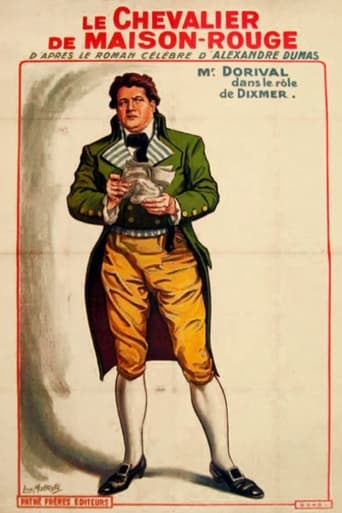
Titles linked here include Germinal (1913), The Reign of Terror (1914).
When was Paul Escoffier born and when did he die?
Unfortunately, specific birth and death dates for Paul Escoffier are not documented in available historical records, which is common for actors from this very early period of cinema. We know he was active as an actor in France during 1913-1914.
What awards did Paul Escoffier win?
No awards or honors for Paul Escoffier are documented, which is typical for actors from this era as formal film award systems had not yet been established. The first major film awards, like the Academy Awards, would not be created until the late 1920s.
What was Paul Escoffier's acting style?
Escoffier likely employed the theatrical acting style common in early silent cinema, using exaggerated gestures and dramatic expressions to convey emotion without dialogue. His work in serious literary adaptations suggests he was capable of handling complex dramatic material appropriate for the artistic ambitions of pre-WWI French cinema.