Frances Dee
Actor
Born: November 26, 1909 in Los Angeles, California, USA Died: March 6, 2004 Active: 1929-1954 Birth Name: Frances Marion Dee
Films
3 films

About Frances Dee
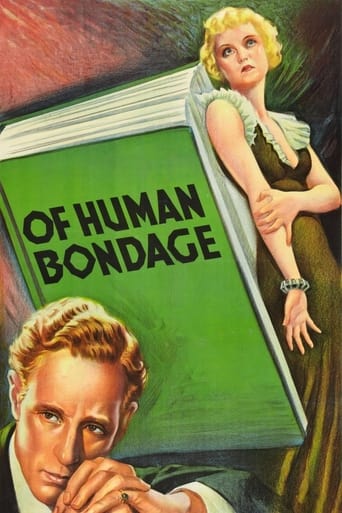
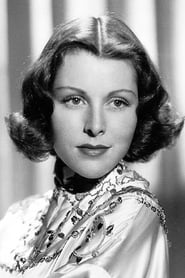
American actress who rose to prominence during Hollywood's Golden Age, discovered while working as a stock girl at a Los Angeles department store. She made her film debut in 1929 and quickly established herself as a talented leading lady with her breakthrough role as Nora Nesbit in 'Of Human Bondage' (1934) opposite Leslie Howard. In 1935, she made cinema history by starring in 'Becky Sharp,' the first full-length feature film produced in three-strip Technicolor, playing the ambitious title character. She married fellow actor Joel McCrea in 1933, forming one of Hollywood's most enduring unions that lasted 57 years until McCrea's death in 1990. Throughout her career spanning over two decades, Dee appeared in more than 50 films across various genres, often portraying sophisticated, intelligent women with her characteristic natural and understated acting style. As she aged, she gracefully transitioned from leading roles to character parts, demonstrating remarkable versatility and adaptability. She gradually reduced her film work in the 1940s to focus on family life, though she continued making selective appearances in film and television through the 1950s, ultimately retiring from acting to live a quiet life on her ranch with her family.
The Craft
On Screen
Known for her natural, understated performances and elegant screen presence, Dee favored authentic, subtle portrayals over the theatrical style common in early sound films. She brought intelligence and sophistication to her roles, often playing educated, refined women with emotional depth and restraint.
Milestones
- Breakthrough role in 'Of Human Bondage' (1934)
- Starred in first three-strip Technicolor film 'Becky Sharp' (1935)
- Marriage to Joel McCrea in 1933
- Appeared in over 50 films during her career
- Transition from leading lady to character actress in later years
- Received Best Actress Award from National Board of Review
Best Known For
Iconic Roles
Must-See Films
Accolades
Won
- Best Actress Award from the National Board of Review for 'Of Human Bondage' (1934)
Special Recognition
- Hollywood Walk of Fame star at 6266 Hollywood Blvd
Working Relationships
Worked Often With
Studios
Why They Matter
Impact on Culture
Frances Dee played a significant role in early color cinema history through her starring role in 'Becky Sharp' (1935), which demonstrated the artistic and commercial potential of three-strip Technicolor. Her natural acting style helped influence the transition from theatrical silent film acting to more realistic performances in talkies. As one of Hollywood's most respected actresses who successfully balanced career and family, she provided a model of professionalism and personal stability in an industry often marked by turmoil. Her long-lasting marriage to Joel McCrea offered an alternative narrative to the typical Hollywood relationship, contributing to changing perceptions about personal life in the entertainment industry.
Lasting Legacy
Frances Dee is remembered as a versatile actress who successfully navigated the transition from silent films to talkies and from black-and-white to color cinema. While never achieving the superstar status of some contemporaries, she maintained a respected career spanning over two decades and appeared in several historically significant films. Her work in early color cinema, particularly 'Becky Sharp,' continues to be studied by film historians and preservationists. Her personal legacy includes her enduring marriage to Joel McCrea and their successful family life, which provided a counterpoint to Hollywood's reputation for marital instability. Her ability to gracefully transition from leading roles to character parts demonstrated career longevity that influenced subsequent generations of actresses.
Who They Inspired
Dee's naturalistic acting style influenced subsequent generations of actresses who favored understated, authentic performances over melodramatic ones. Her work in color cinematography helped pave the way for the widespread adoption of color in mainstream cinema. Her career demonstrated the possibility of maintaining both professional success and personal stability in Hollywood, influencing how later actresses approached work-life balance. Her successful transition from leading lady to character actress provided a blueprint for career longevity in an industry that often discarded aging actresses.
Off Screen
Frances Dee married actor Joel McCrea in 1933, creating one of Hollywood's most stable and enduring marriages that lasted 57 years until McCrea's death in 1990. They had three sons: Jody (who became an actor), David, and Peter. The family owned and operated a 3,000-acre ranch in Ventura County, California, where they raised cattle and lived away from the Hollywood spotlight. Dee was known for her devotion to family life and often took breaks from her career to focus on raising her children. After McCrea's death, she lived quietly until her own death in 2004 at age 94.
Education
Attended the University of Chicago for a brief period before pursuing acting career
Family
- Joel McCrea (1933-1990)
Did You Know?
- Was discovered while working as a stock girl at a department store in Los Angeles
- Her role in 'Becky Sharp' (1935) was in the first full-length feature film using three-strip Technicolor
- She and Joel McCrea were married for 57 years until his death in 1990
- Turned down the role of Melanie Hamilton in 'Gone with the Wind' (1939)
- Her son Jody McCrea also became an actor, appearing in beach party films in the 1960s
- Was a skilled horsewoman and enjoyed outdoor activities on her 3,000-acre ranch
- Appeared in the film noir 'The Glass Key' (1942) opposite Alan Ladd and Veronica Lake
- Made her final film appearance in 'The Private Lives of Adam and Eve' (1960)
- Was a Republican and supported conservative political causes
- Her great-grandfather was Charles Henry Dee, a prominent figure in early California history
- Was one of the few actresses who successfully negotiated better contracts with studios
- Spent her retirement years in Connecticut rather than returning to California
In Their Own Words
I never wanted to be a star. I just wanted to be a good actress and have a happy family life.
Being married to Joel was the best role I ever had. He was my leading man both on and off screen.
Hollywood in the 1930s was glamorous, but I always preferred the quiet life on our ranch.
Acting in 'Becky Sharp' was challenging because the Technicolor process required so much time and patience.
I never regretted turning down bigger roles if it meant I could spend more time with my family.
Frequently Asked Questions
Who was Frances Dee?
American actress active during Hollywood's Golden Age, known for her elegant screen presence and natural acting style. She appeared in over 50 films between 1929 and 1954, including notable roles in 'Of Human Bondage' (1934) and 'Becky Sharp' (1935).
What films is Frances Dee best known for?
Titles linked here include Of Human Bondage (1934), Becky Sharp (1935).
When was Frances Dee born and when did she die?
Born November 26, 1909; died March 6, 2004.
What awards did Frances Dee win?
Frances Dee received the Best Actress Award from the National Board of Review for her performance in 'Of Human Bondage' (1934). She also has a star on the Hollywood Walk of Fame at 6266 Hollywood Blvd.
What was Frances Dee's acting style?
Frances Dee was known for her natural, understated acting style that contrasted with the more theatrical performances common in early sound films. She brought authenticity and elegance to her roles, often portraying sophisticated, educated women with depth and subtlety.
Was Frances Dee married?
Frances Dee married actor Joel McCrea in 1933, and they remained married for 57 years until McCrea's death in 1990. Their marriage was considered one of Hollywood's most stable relationships, and they had three sons together.
What was Frances Dee's contribution to cinema history?
Frances Dee made a significant contribution to cinema history by starring in 'Becky Sharp' (1935), the first full-length feature film using three-strip Technicolor. Her role helped demonstrate the potential of color cinema and influenced the industry's eventual transition to color filmmaking.