Films
1 film
About Virginia Howell
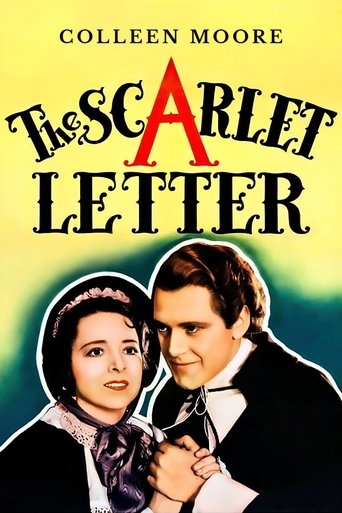
The 1934 film The Scarlet Letter is the only title linked here for Virginia Howell. Her only known film credit is the 1934 adaptation of Nathaniel Hawthorne's classic novel 'The Scarlet Letter,' directed by Robert G. Vignola. In this production, she played a supporting role alongside star Colleen Moore, who portrayed Hester Prynne. The film was one of several literary adaptations produced during this period as studios sought prestigious material for their new talking pictures. Howell's career appears to have been extremely brief, with no other documented film appearances before or after this single production. Like many aspiring actors of the era, she may have been part of the extensive pool of contract players who filled small roles during Hollywood's golden age but never achieved lasting fame. Her brief appearance in film history represents the countless performers who contributed to classic cinema's without becoming household names.
The Craft
Milestones
- Appeared in 'The Scarlet Letter' (1934)
Best Known For
Must-See Films
Why They Matter
Impact on Culture
Virginia Howell's cultural impact is minimal due to her extremely brief film career, limited to a single appearance in 'The Scarlet Letter' (1934). However, her participation in this literary adaptation represents the collective effort of hundreds of actors, technicians, and artists who contributed to Hollywood's golden age. Her story illustrates the vast number of aspiring performers who passed through the studio system during the 1930s, many of whom appeared in only one or two films before leaving the industry. While not individually influential, performers like Howell were essential to the production of classic films that continue to be studied and appreciated today.
Lasting Legacy
Virginia Howell's legacy is primarily that of a representative figure from the vast pool of supporting actors who populated early Hollywood films. Her single known appearance in 'The Scarlet Letter' (1934) places her within the historical context of American cinema's transition to sound, when studios needed numerous actors to fill roles in their rapidly expanding production slate. While she did not achieve lasting fame or recognition, her contribution to this notable literary adaptation ensures her place, however small, in film history. She represents the countless unsung performers whose brief careers helped build the foundation of classic American cinema.
Who They Inspired
Due to her extremely limited filmography, Virginia Howell did not have a documented influence on other actors or filmmakers. Her brief appearance in a single 1934 film suggests she was likely a contract player or extra rather than an established performer who could mentor or influence others in the industry.
Off Screen
Very little is documented about Virginia Howell's personal life, which is typical of minor supporting actors from early Hollywood who had brief careers. Like many performers of her era, she may have been young and seeking opportunities in the burgeoning film industry during the early sound period.
Did You Know?
- Virginia Howell's entire known film career consists of a single movie released in 1934
- She appeared in 'The Scarlet Letter' adaptation starring Colleen Moore
- The film was one of several literary adaptations produced during Hollywood's early sound era
- Like many minor actors of the 1930s, no extensive biographical information about her survives
- Her brief career represents the typical experience of many contract players in classic Hollywood
- The 1934 version of 'The Scarlet Letter' was one of the earliest sound adaptations of Hawthorne's novel
- Most supporting actors from this period were under contract to major studios and appeared in numerous films without receiving screen credit
Frequently Asked Questions
Who was Virginia Howell?
Screen credits include only one known film, 'The Scarlet Letter' (1934). She was a minor supporting player during Hollywood's early sound era, typical of the many contract performers who filled small roles in classic films of the period.
What films is Virginia Howell best known for?
Titles linked here include The Scarlet Letter (1934).
When was Virginia Howell born and when did she die?
Specific birth and death dates for Virginia Howell are not documented in available film archives, which is common for minor supporting actors from early Hollywood who had brief careers. Her nationality was American and she was active in the film industry during 1934.
What awards did Virginia Howell win?
Virginia Howell did not receive any documented awards or nominations for her film work. This is typical for supporting actors with brief careers in the 1930s film industry, where recognition was generally reserved for leading performers.
What was Virginia Howell's acting style?
Specific details about Virginia Howell's acting style are not documented due to her extremely limited filmography. As a supporting player in a 1934 literary adaptation, she likely employed the dramatic acting techniques common during Hollywood's transition from silent to sound films.
Why did Virginia Howell have such a short career?
The reasons for Virginia Howell's brief film career are not documented, but this was common for many actors in early Hollywood. Many contract players appeared in only one or two films before leaving the industry, as competition was fierce and studios constantly cycled through new talent for supporting roles.