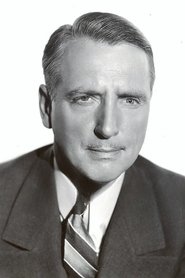
Robert Gleckler
Actor
Born: January 11, 1887 in Pierre, South Dakota, USA Died: February 25, 1939 Active: 1917-1939 Birth Name: Robert P. Gleckler
Films
1 film
About Robert Gleckler
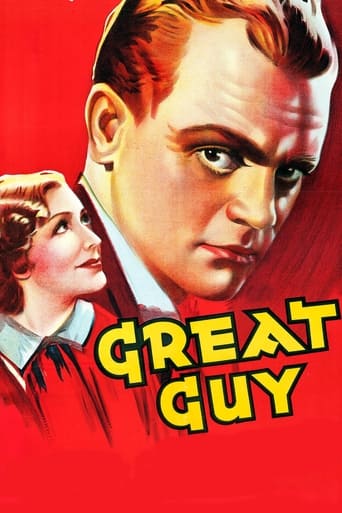
Prolific American stage and film actor: the transition from the roaring twenties to the Golden Age of Hollywood. Born in Pierre, South Dakota, in 1887, he initially established himself as a formidable presence on the Broadway stage, appearing in sixteen major productions between 1917 and 1934. He gained significant acclaim for his role as the ruthless Steve Crandall in the 1926 hit play 'Broadway', a performance that cemented his reputation for playing tough, authoritative characters. Transitioning to cinema in the late 1920s, Gleckler became a ubiquitous character actor in Hollywood, appearing in nearly sixty films over a twelve-year period. He was frequently cast as gangsters, corrupt politicians, or stern officials, most notably appearing alongside James Cagney in 'Great Guy' (1936). His career was tragically cut short when he died of uremic poisoning in 1939 while filming 'Gone with the Wind', in which he had been cast as the overseer Jonas Wilkerson.
The Craft
On Screen
Gleckler was renowned for his 'tough guy' persona, characterized by a gravelly voice and a commanding, often menacing physical presence. He specialized in playing hard-boiled characters, ranging from underworld kingpins and crooked politicians to stern police captains, bringing a sense of gritty realism to the crime dramas of the 1930s.
Milestones
- Starring as Steve Crandall in the original 1926 Broadway production of 'Broadway'
- Appearing in nearly 60 Hollywood films between 1927 and 1939
- Portraying the primary antagonist Marty Cavanaugh in 'Great Guy' (1936) opposite James Cagney
- Being the original choice for the role of Jonas Wilkerson in 'Gone with the Wind' (1939)
- Successful transition from a prominent Broadway career to a reliable Hollywood character actor
Best Known For
Iconic Roles
Must-See Films
Accolades
Special Recognition
- Recognized as one of the premier character actors of the 1930s crime genre
Working Relationships
Worked Often With
Studios
Why They Matter
Impact on Culture
Robert Gleckler represented the quintessential 'heavy' of 1930s cinema. His portrayal of urban corruption and organized crime figures helped define the aesthetic and narrative stakes of the early sound-era crime film. By bringing his Broadway-honed intensity to the screen, he contributed to the shift toward more naturalistic and gritty performances in Hollywood's depictions of the American underworld.
Lasting Legacy
Gleckler is remembered today as. His most enduring legacy is perhaps the 'what if' surrounding his casting in 'Gone with the Wind'; his sudden death during production necessitated the re-filming of his scenes with Victor Jory, making him a poignant footnote in the history of one of cinema's greatest epics.
Who They Inspired
His portrayal of the 'tough guy' influenced the archetype of the mid-century character actor, proving that a performer could maintain a prolific career by specializing in high-quality supporting roles that provided essential conflict for leading stars like James Cagney and Humphrey Bogart.
Off Screen
Robert Gleckler was married to actress Norma Phillips, known as 'The Mutual Girl' of early silent cinema, from 1920 until their divorce in 1929. He was known in the industry as a dedicated professional who maintained a busy schedule between New York and Los Angeles.
Education
Information regarding his specific formal education is unavailable, though he received extensive training through the American stock theater circuit.
Family
- Norma Phillips (1920-1929)
Did You Know?
- He died only one month into the filming of 'Gone with the Wind' (1939).
- His cause of death was uremic poisoning, a result of kidney failure.
- He appeared in 16 Broadway productions before moving permanently into film.
- He was often confused with other character actors due to his versatile 'everyman' look when not playing a villain.
- His role in 'Great Guy' is considered one of his most significant, as he plays the primary foil to James Cagney's crusading hero.
- He is buried in Riverside Cemetery in his birthplace of Pierre, South Dakota.
In Their Own Words
I've played so many villains that I'm starting to look for a badge every time I see a mirror. (Attributed, regarding his typecasting as a criminal)
Frequently Asked Questions
Who was Robert Gleckler?
Prominent American stage and film with credits in this catalog. He was best known for his 'tough guy' supporting roles in nearly 60 Hollywood films.
What films is Robert Gleckler best known for?
Titles linked here include Great Guy (1936), Dante's Inferno (1935).
When was Robert Gleckler born and when did he die?
Born January 11, 1887; died February 25, 1939.
What happened to Robert Gleckler's role in Gone with the Wind?
Gleckler was originally cast as the overseer Jonas Wilkerson. He died during production, and his scenes had to be re-shot with actor Victor Jory.
What was Robert Gleckler's acting style?
He was known for a gritty, authoritative acting style, often playing villains, gangsters, or stern officials with a realistic and menacing intensity.