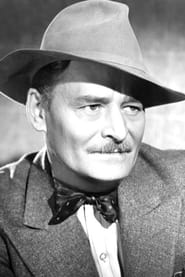
Roman Bohnen
Actor
Born: November 24, 1894 in Philadelphia, Pennsylvania, USA Died: February 24, 1949 Active: 1946-1949 Birth Name: Roman Aloys Bohnen
Films
2 films
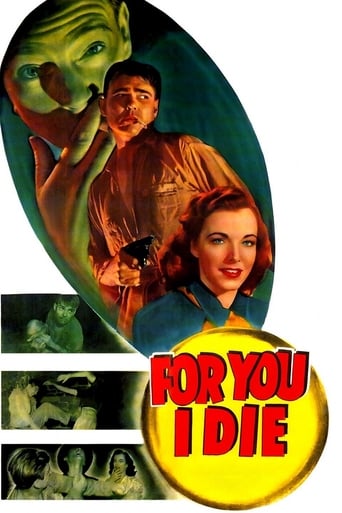
About Roman Bohnen
Roman Aloys Bohnen — American character actor who made his mark in Hollywood during the mid-to-late 1940s, specializing in portraying authority figures and supporting characters in film noir and dramatic productions. Born in Philadelphia in 1894, Bohnen began his acting career on the stage before transitioning to films in his early fifties, bringing a mature gravitas to his roles that made him particularly effective as judges, police officials, and other authority figures. Despite his relatively brief film career spanning only three years before his untimely death in 1949, Bohnen managed to appear in several significant films that have become classics of the film noir genre. His performances were characterized by a naturalistic approach that brought authenticity to his characters, making him a reliable presence in ensemble casts. Bohnen worked with some of Hollywood's most respected directors and actors of the period, contributing to films that explored post-war American anxieties and moral complexities. His career, though short, left a lasting impression on the film noir landscape of the late 1940s.
The Craft
On Screen
Bohnen was known for his naturalistic acting style and ability to bring authenticity to authority figures. His approach was understated yet commanding, allowing him to portray judges, police officials, and other positions of authority with genuine credibility. He avoided melodramatic tendencies common in the era, instead opting for realistic performances that grounded the films in which he appeared. His stage background contributed to his strong screen presence and ability to deliver dialogue with natural rhythm and conviction.
Milestones
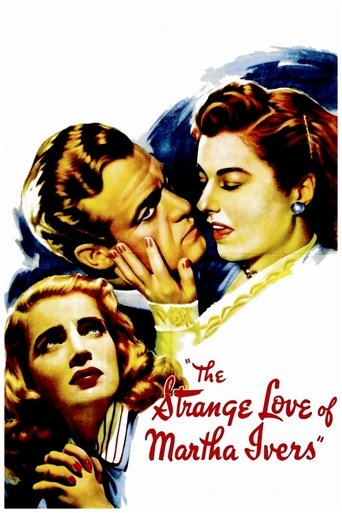
- Film debut in The Strange Love of Martha Ivers (1946)
- Appeared in Academy Award-winning Best Years of Our Lives (1946)
- Featured in classic film noir Crossfire (1947)
- Worked with director Edward Dmytryk on multiple occasions
- Established himself as a reliable authority figure in Hollywood films
Best Known For
Iconic Roles
Must-See Films
Working Relationships
Worked Often With
Studios
Why They Matter
Impact on Culture
Roman Bohnen contributed to the golden age of film noir during its peak period in the late 1940s, helping to establish the visual and thematic conventions of the genre through his portrayals of authority figures. His performances in films like Crossfire and The Strange Love of Martha Ivers helped define the moral complexity and institutional skepticism that characterized post-war American cinema. Bohnen's naturalistic acting style represented a shift away from the more theatrical performances common in earlier Hollywood films, contributing to the evolution of screen acting toward greater realism. Though not a star, his consistent presence in quality productions made him an integral part of the Hollywood studio system during one of its most creative periods.
Lasting Legacy
Roman Bohnen's legacy lies in his contributions to classic film noir and his embodiment of the character actor who brings depth and authenticity to supporting roles. His performances continue to be appreciated by film historians and noir enthusiasts for their naturalism and credibility. While his career was cut short, his work in films that have become classics ensures his place in cinema history. Bohnen represents the many talented character actors who, while never achieving star status, were essential to the quality and success of Hollywood's golden age productions. His filmography shows the importance of skilled supporting performances in creating memorable cinema.
Who They Inspired
Bohnen's naturalistic approach to playing authority figures influenced subsequent generations of character actors, particularly in the film noir genre. His ability to bring authenticity to institutional roles without resorting to caricature set a standard for realistic portrayals of judges, police officials, and other authority figures. While he did not have the opportunity to mentor younger actors directly due to his early death, his performances continue to serve as examples for actors studying the craft of character acting. His work in ensemble casts demonstrated how supporting roles could elevate the overall quality of a film, influencing how studios and directors approached casting for secondary characters.
Off Screen
Roman Bohnen was married to actress and director Margaret Bohnen (née Webster). The couple had one child together. Bohnen was known as a dedicated family man who balanced his stage and film career with his home life. His death at age 54 cut short both his personal and professional life, leaving behind his wife and child. Details about his personal interests and activities outside of acting remain limited in historical records.
Education
Limited documentation available, likely received formal education in Philadelphia before pursuing acting career
Family
- Margaret Bohnen (Webster) (married until his death in 1949)
Did You Know?
- Began his film career in his early fifties after years of stage work
- Died at age 54, just three years after his film debut
- Appeared in multiple films that received Academy Award nominations
- Worked with some of Hollywood's biggest stars including Barbara Stanwyck and Kirk Douglas
- His filmography consists entirely of films made during the post-war period
- Was particularly effective at portraying institutional authority with nuance
- Never received top billing but was consistently cast in important supporting roles
- His stage background contributed to his strong screen presence
- Appeared in films that addressed post-war American social issues
- His death coincided with the decline of the classic film noir period
In Their Own Words
No widely documented quotes attributed to Roman Bohnen, as was common for character actors of his era
Frequently Asked Questions
Who was Roman Bohnen?
Screen credits include classic films of the late 1940s, particularly known for his roles in film noir productions. He specialized in portraying authority figures such as judges and police officials, bringing a naturalistic authenticity to his performances despite having a relatively brief film career before his death in 1949.
What films is Roman Bohnen best known for?
Titles linked here include The Strange Love of Martha Ivers (1946), The Best Years of Our Lives (1946).
When was Roman Bohnen born and when did he die?
Born November 24, 1894; died February 24, 1949.
What awards did Roman Bohnen win?
Roman Bohnen did not receive any major awards or nominations during his brief film career. However, he appeared in several films that won or were nominated for Academy Awards, including The Best Years of Our Lives, which won the Oscar for Best Picture.
What was Roman Bohnen's acting style?
Bohnen was known for his naturalistic acting style that brought authenticity to his portrayals of authority figures. He avoided melodramatic tendencies common in the era, instead opting for realistic performances that grounded the films in which he appeared. His stage background contributed to his strong screen presence and ability to deliver dialogue with natural conviction.