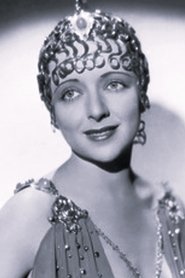
Ferike Boros
Actor
Born: September 3, 1873 in Budapest, Austria-Hungary (now Hungary) Died: January 16, 1951 Active: 1929-1940 Birth Name: Ferenc Boros
Films
5 films
About Ferike Boros
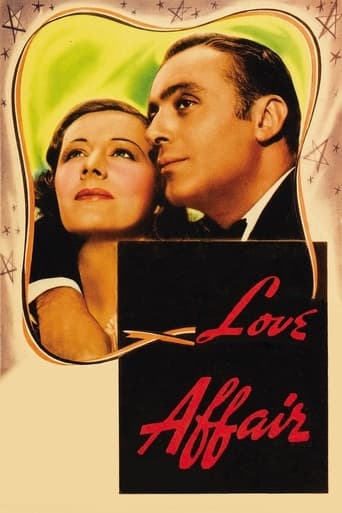
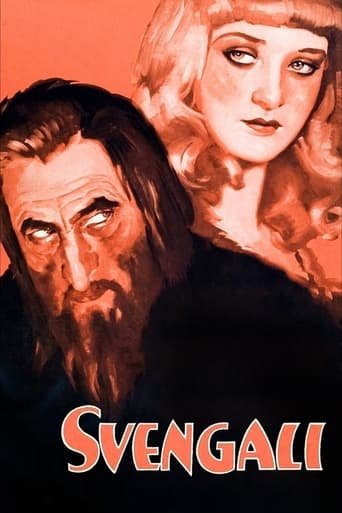
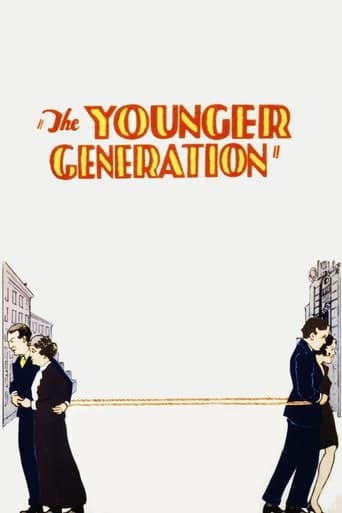
Ferike Boros was cast in numerous films during the transition from silent cinema to sound and throughout the 1930s. Born in Budapest as Ferenc Boros, he immigrated to the United States and Americanized his name for his acting career. Boros began his film career at the relatively advanced age of 56 in 'The Younger Generation' (1929), making him part of the generation of actors who adapted to the new medium of sound cinema. He specialized in supporting roles that required foreign accents or ethnic appearances, often playing waiters, shopkeepers, and other minor characters that added authenticity to Hollywood films. His the crucial first decade of sound cinema, appearing in notable films including 'Svengali' (1931) opposite John Barrymore and the acclaimed romantic drama 'Love Affair' (1939). While never achieving leading man status, Boros became a reliable character actor whose work contributed to the supporting performances that defined Golden Age Hollywood. His film career appears to have concluded around the early 1940s, following the pattern of many character actors of his generation.
The Craft
On Screen
Ferike Boros specialized in character acting, often portraying foreign or ethnic characters in supporting roles. His distinctive Hungarian accent and continental appearance made him particularly suitable for roles such as waiters, shopkeepers, diplomats, and other minor characters that added international flavor to Hollywood productions. Like many character actors of his era, he developed a reliable screen presence that directors could count on for authentic ethnic representation, though this sometimes led to typecasting. His acting style was naturalistic yet theatrical, reflecting the transition period from the exaggerated expressions of silent film to the more nuanced performances required by sound cinema.
Milestones
- Film debut in 'The Younger Generation' (1929), one of the early talking pictures
- Supporting role in 'Svengali' (1931) starring John Barrymore
- Appearance in the acclaimed romantic drama 'Love Affair' (1939)
- Consistent work as a character actor throughout the 1930s
- Successful transition from silent films to talkies
Best Known For
Iconic Roles
Must-See Films
Working Relationships
Worked Often With
Studios
Why They Matter
Impact on Culture
Ferike Boros contributed to the cultural diversity of early Hollywood cinema during a crucial period of transition and growth. As one of the many European immigrant actors who found success in American films, he helped represent the international character of American society on screen, particularly during the 1930s when Hollywood was increasingly addressing global themes. His work in early sound films demonstrated the industry's need for authentic foreign accents and characters as cinema moved beyond silent pantomime. Boros and other character actors like him provided the essential texture and realism that supported the leading stars, creating believable worlds that audiences could immerse themselves in. His career exemplifies how immigrant talent helped shape the Golden Age of Hollywood, bringing cultural authenticity to an industry that was defining American cultural identity.
Lasting Legacy
Ferike Boros's legacy represents the essential but often unheralded contribution of character actors to classic cinema. While never a household name, his work in over three dozen films during the 1930s helped create the rich, detailed worlds that made Golden Age Hollywood films memorable. His career trajectory—from beginning as an older actor in the new medium of sound to becoming a reliable supporting presence—mirrors the experience of many character actors who formed the backbone of the studio system. Boros's filmography serves as a valuable record of the types of ethnic roles available to European actors in early Hollywood and reflects the industry's evolving approach to international representation. His appearances in historically significant films like 'Svengali' and 'Love Affair' ensure that his work, though often in small roles, is preserved as part of cinema's enduring legacy.
Who They Inspired
While specific documentation of actors directly influenced by Ferike Boros is limited, his career path demonstrated that it was possible for immigrant actors with distinctive accents to find steady work in Hollywood's studio system. His success as a character actor, particularly beginning at an advanced age, may have inspired other European immigrants to pursue acting careers in American cinema. Boros was part of the generation that helped establish the conventions for ethnic character acting in sound films, creating a template that subsequent actors would follow. His ability to adapt to the new medium of sound cinema at an age when many established silent film actors struggled demonstrated the importance of versatility and adaptability in the film industry, lessons that would influence future generations of character actors.
Off Screen
Limited information is available about Ferike Boros's personal life beyond his professional career. As a Hungarian immigrant who arrived in America in the early 20th century, he was part of the significant wave of European talent that enriched Hollywood during its formative years. His decision to begin an acting career at age 56 suggests he may have had other professions before entering the film industry, though specific details about his pre-acting life remain undocumented. Like many immigrant actors of his generation, he helped bring authentic international perspectives to American cinema during a period when Hollywood was expanding its global appeal.
Education
No specific information found about his educational background
Did You Know?
- Born in Budapest when it was still part of the Austro-Hungarian Empire
- Began his film career at the relatively advanced age of 56
- His Americanized name 'Ferike' was a diminutive form of his Hungarian name 'Ferenc'
- Appeared in one of the earliest talking pictures, 'The Younger Generation' (1929)
- Worked with actor John Barrymore in 'Svengali' (1931)
- Appeared in the Academy Award-nominated film 'Love Affair' (1939)
- Like many character actors, was often typecast in roles requiring a foreign accent
- His active years covered the crucial first decade of sound cinema in Hollywood
- Represented the wave of European immigrant talent that enriched early Hollywood
- Never received top billing but appeared in over three dozen films during his career
Frequently Asked Questions
Who was Ferike Boros?
Screen credits include films during the transition from silent cinema to sound and throughout the 1930s. Born in Budapest in 1873, he specialized in supporting roles that required foreign accents or ethnic appearances, appearing in notable films like 'Svengali' (1931) and 'Love Affair' (1939).
What films is Ferike Boros best known for?
Titles linked here include The Younger Generation (1929), Svengali (1931).
When was Ferike Boros born and when did he die?
Born September 3, 1873; died January 16, 1951.
What awards did Ferike Boros win?
There are no records of Ferike Boros receiving major awards or nominations during his career, which was typical for character actors of his era who often worked in supporting roles without formal recognition.
What was Ferike Boros's acting style?
Ferike Boros specialized in character acting, often portraying foreign or ethnic characters in supporting roles. His distinctive Hungarian accent and appearance made him particularly suitable for roles such as waiters, shopkeepers, and other minor characters that added authenticity to the films of early Hollywood's sound era.
How did Ferike Boros contribute to early Hollywood cinema?
Ferike Boros contributed to early Hollywood by bringing authentic international representation to American films during the crucial transition from silent to sound cinema. As part of the wave of European immigrant actors, he helped create believable worlds and cultural diversity in 1930s Hollywood productions.
Was Ferike Boros his real name?
No, Ferike Boros was born as Ferenc Boros in Budapest. He Americanized his name for his acting career, with 'Ferike' being a diminutive form of his Hungarian given name 'Ferenc'.