Films
1 film
About Ray Hubley
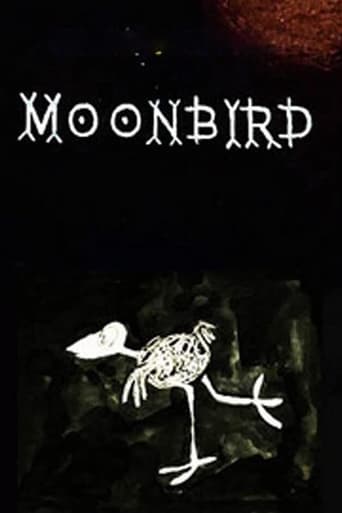
Ray Hubley was the son of animators John and Faith Hubley, who revolutionized American animation through their independent studio Hubley Studios. As a child, Ray participated in several of his parents' innovative animated films, most notably providing the authentic voice work for 'Moonbird' (1959) alongside his brother Mark. The film captured the brothers' natural improvisational play as they imagined hunting a mythical moonbird, creating a work that won the Academy Award for Best Animated Short Film. Ray's contribution to cinema was primarily through these family collaborations during his childhood, representing the Hubley philosophy of using real, unscripted dialogue and personal experiences in animation. His natural performance in 'Moonbird' exemplified his parents' innovative approach to capturing authentic childhood voices and emotions, a technique that would influence generations of animators. While Ray did not pursue a professional acting career beyond his childhood contributions to his parents' films, his work of animation history.
The Craft
On Screen
Natural, improvisational child performance captured through authentic play recordings
Milestones
- Provided voice work for Academy Award-winning 'Moonbird' (1959)
- Participated in innovative animation techniques with parents John and Faith Hubley
- Contributed to groundbreaking use of children's authentic dialogue in animation
Best Known For
Iconic Roles
Must-See Films
Accolades
Won
- Academy Award for Best Animated Short Film - 'Moonbird' (1959) - as contributor
Special Recognition
- Part of Academy Award-winning film 'Moonbird' preserved in animation history
Working Relationships
Worked Often With
Studios
Why They Matter
Impact on Culture
Ray Hubley's contribution to cinema, though brief, represents an important moment in animation history where authentic childhood voices were brought to the screen. His natural performance in 'Moonbird' helped establish a new approach to animated storytelling that prioritized genuine emotion and unscripted dialogue over traditional animation techniques. The film's success demonstrated the artistic and commercial potential of using real children's voices in animation, influencing countless future animators and filmmakers.
Lasting Legacy
Ray Hubley's legacy is preserved through the enduring influence of 'Moonbird' and the Hubley Studios' innovative approach to animation. The film remains a classic example of how personal, authentic storytelling can create powerful cinematic experiences. His contribution exemplifies the importance of capturing genuine human emotion in art, particularly the natural creativity and imagination of childhood.
Who They Inspired
While Ray Hubley did not have a direct influence on other performers as a child actor, his work in 'Moonbird' influenced the animation industry's approach to voice recording and authentic dialogue. The film's success encouraged other animators to explore more naturalistic and personal approaches to storytelling, moving away from the highly scripted performances common in commercial animation.
Off Screen
Ray Hubley was born into the creative family of John and Faith Hubley, two of the most influential animators in American cinema history. He grew up alongside his siblings in an environment where art and animation were central to family life, with his parents often incorporating their children's voices and experiences into their films. The Hubley household was known for its artistic experimentation and collaborative approach to filmmaking.
Did You Know?
- 'Moonbird' was created using actual recordings of Ray and his brother Mark playing and improvising
- The film won the Academy Award for Best Animated Short Film in 1959
- Ray's father John Hubley — former Disney animator who left to form his own independent studio
- The Hubley family often used their children's voices and experiences in their films
- Ray's contribution to 'Moonbird' was completely unscripted and natural
- The film's technique of using authentic children's dialogue was revolutionary for its time
- Ray worked alongside his brother Mark in creating the film's soundtrack
- The moonbird in the film was based on the brothers' imaginary creature during their play
- Ray's parents, John and Faith Hubley, were considered pioneers of independent animation in America
Frequently Asked Questions
Who was Ray Hubley?
Child with credits in this catalog. He was the son of animators John and Faith Hubley and contributed to their innovative family films during his childhood.
What films is Ray Hubley best known for?
Titles linked here include Moonbird (1959).
When was Ray Hubley born and when did he die?
Specific birth and death dates for Ray Hubley are not publicly documented. He was active as a child actor in 1959 and was the son of animators John Hubley (1914-1977) and Faith Hubley (1924-2001).
What awards did Ray Hubley win?
Ray Hubley contributed to 'Moonbird' (1959), which won the Academy Award for Best Animated Short Film. While he did not personally receive the award as a child contributor, his performance was integral to the film's success.
What was Ray Hubley's acting style?
Ray Hubley's acting style was completely natural and improvisational, captured through authentic recordings of his play with his brother. His parents' innovative approach rejected traditional voice acting in favor of genuine childhood dialogue and imagination.