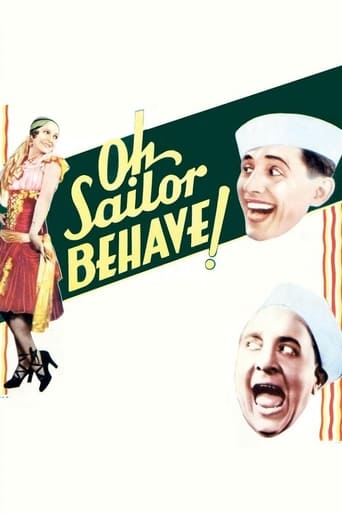
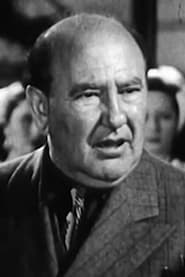
Charles Judels
Actor
Born: August 17, 1882 in Amsterdam, Netherlands Died: February 14, 1969 Active: 1902-1954
Films
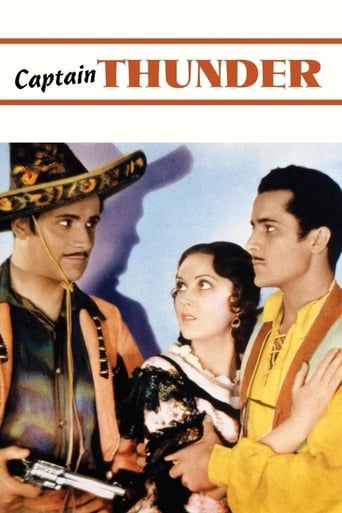
2 films
About Charles Judels
Prolific Dutch-born American character actor and director: the transition from vaudeville to the Golden Age of Hollywood. Born into a third-generation theatrical family in Amsterdam, he immigrated to the United States and began his career as a tenor in vaudeville under Tony Pastor at the age of twelve. He became a staple of the Broadway stage, appearing in the 'Ziegfeld Follies of 1912' and directing numerous high-profile revues during the 1920s. With the advent of sound, his mastery of various European dialects made him an indispensable asset to major studios like Warner Bros. And MGM. He is perhaps most immortalized for his dual voice roles in Walt Disney's 'Pinocchio' (1940), where he provided the voices for both the villainous puppeteer Stromboli and the sinister Coachman. Judels continued to work steadily in character roles until his retirement in the early 1950s, leaving behind a legacy of over 130 film credits.
The Craft
On Screen
Judels — versatile character actor known for his portly stature and extraordinary command of dialects, including French, Italian, and German accents. His style often leaned toward the comedic and the 'exotic' character type, utilizing expressive facial movements and a booming, theatrical voice that translated well from the stage to early talkies.
Milestones
- Broadway debut in 'The Ziegfeld Follies of 1912'
- Directed major Broadway revues including 'Gay Paree' (1925) and 'A Night in Spain' (1927)
- Signed by 20th Century Fox in 1928 to direct early Movietone sound shorts
- Voiced the iconic villains Stromboli and the Coachman in Disney's 'Pinocchio' (1940)
- Memorable performance as the cheese shop proprietor in the Laurel & Hardy classic 'Swiss Miss' (1938)
- Appeared in over 130 films across four decades
Best Known For
Iconic Roles
Must-See Films
Accolades
Special Recognition
- Lifetime Member of The Lambs (elected 1909)
Working Relationships
Worked Often With
Studios
Why They Matter
Impact on Culture
Charles Judels significantly impacted the early sound era by providing a bridge between the broad, dialect-heavy comedy of vaudeville and the more refined character acting of Hollywood. His work in 'Pinocchio' set a high standard for voice acting, creating two of the most distinct and terrifying villains in the Disney canon using only his vocal range and dialect expertise.
Lasting Legacy
Judels is remembered as. While his face was a familiar sight in dozens of comedies and dramas, his vocal legacy as Stromboli remains his most enduring contribution to global popular culture, continuing to influence how animated villains are voiced to this day.
Who They Inspired
He influenced the development of the 'character specialist' role in Hollywood, proving that an actor could sustain a 50-year career through versatility and technical skill with accents rather than leading-man looks.
Off Screen
Judels was born to Mozes and Elizabeth Judels and came from a long line of performers; his father was a stage manager at the Metropolitan Opera for 35 years. He was married four times throughout his life, reflecting the itinerant and social nature of his long theatrical career.
Education
Trained from childhood in the European theatrical tradition and vaudeville circuit.
Family
- Mary Wilcox (1901-?)
- Jeanne Sofstrom (1917-?)
- Veres May Jones (c. 1940-?)
- Ethel Rose Windt (?-1968)
Did You Know?
- He was a third-generation actor; his grandfather owned several theaters in the Netherlands.
- He provided the voice for a Nazi in the famous anti-Axis propaganda short 'Der Fuehrer's Face' (1942).
- Despite his Dutch heritage, he was rarely cast as a Dutch character, instead specializing in Italian and French roles.
- He was a member of 'The Lambs', America's oldest professional theatrical club, for 60 years.
- In 'Pinocchio', he voiced two characters who never meet: Stromboli and the Coachman.
- His final film role was as a Danite merchant in Cecil B. DeMille's 'Samson and Delilah' (1949).
- He directed several 'Ted Healy and His Stooges' (pre-Three Stooges) stage performances.
In Their Own Words
"QUIET! Shut up! Before I knock your silly heads off!" (As Stromboli in Pinocchio, 1940)
"They never come back. As boys!" (As the Coachman in Pinocchio, 1940)
Frequently Asked Questions
Who was Charles Judels?
Screen credits include over 130 films. He excelled in dialects and is most famous for his voice work in Disney's 'Pinocchio'.
What films is Charles Judels best known for?
Titles linked here include Pinocchio (1940), Swiss Miss (1938).
When was Charles Judels born and when did he die?
Born August 17, 1882; died February 14, 1969.
What was Charles Judels' acting style?
He was a versatile character actor who specialized in comedic and villainous roles requiring thick European accents. His background in vaudeville gave him a broad, expressive performance style.
Did Charles Judels ever direct movies?
Yes, in the late 1920s, he was hired by 20th Century Fox to direct several early sound shorts (Movietone), and he was also a prominent director of Broadway musical revues.