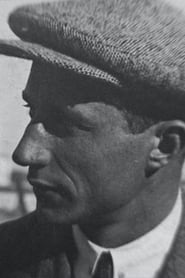
Eduard Tisse
Actor
Born: April 13, 1897 in Liepāja, Russian Empire (now Latvia) Died: November 18, 1961 Active: 1924-1961 Birth Name: Eduard Nikolaevich Tisse
Films
1 film
About Eduard Tisse
Eduard Nikolaevich Tisse — Soviet cinematographer who revolutionized the visual language of cinema through his collaborations with director Sergei Eisenstein. Born in Latvia in 1897, Tisse began his career as a newsreel photographer before joining Eisenstein's creative team. His innovative camera techniques, dramatic lighting, and dynamic composition helped define the visual aesthetic of Soviet montage theory. Tisse worked on Eisenstein's most celebrated films including 'Strike' (1925), 'Battleship Potemkin' (1925), and 'October' (1927), creating some of the most shots in cinema history. His ability to convey emotion and political ideology through visual imagery made him cinematographers of the silent era. Tisse continued his collaboration with Eisenstein through the sound era, filming 'Alexander Nevsky' (1938) and the epic 'Ivan the Terrible' (1944-46). Despite facing political pressures during the Stalin era, Tisse maintained his artistic vision and continued to push the boundaries of cinematic expression until his death in 1961.
The Craft
Milestones
- Cinematographer for 'Battleship Potemkin' (1925)
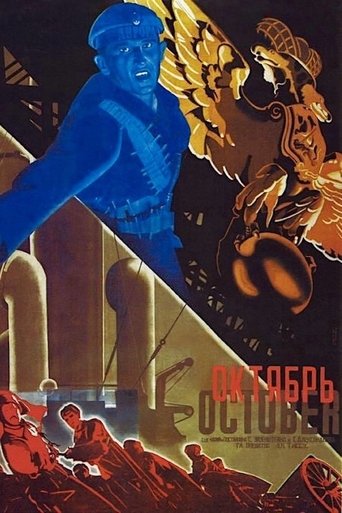
- Cinematographer for 'October' (1927)
- Cinematographer for 'Alexander Nevsky' (1938)
- Cinematographer for 'Ivan the Terrible' (1944-46)
- Pioneered montage theory cinematography techniques
- Long-term collaboration with Sergei Eisenstein
Best Known For
Iconic Roles
Must-See Films
Accolades
Won
- Stalin Prize (1946)
- Order of the Red Banner of Labour (1938)
- People's Artist of the RSFSR (1958)
Nominated
- Venice Film Festival - Best Cinematography for 'Ivan the Terrible' (1946)
Special Recognition
- Honored Artist of the RSFSR (1935)
- People's Artist of the RSFSR (1958)
Working Relationships
Worked Often With
Studios
Why They Matter
Impact on Culture
Eduard Tisse's cinematographic innovations fundamentally changed how visual storytelling could convey political and emotional content. His work with Eisenstein helped establish montage theory as a cornerstone of film language, influencing filmmakers worldwide. The dramatic compositions and dynamic camera movements in films like 'Battleship Potemkin' created a visual vocabulary for revolution and social change that would be emulated for decades. Tisse's ability to transform ordinary scenes into powerful ideological statements through lighting, angle, and movement made him a master of cinematic propaganda while also creating enduring works of art.
Lasting Legacy
Eduard Tisse is remembered as. His techniques in lighting, composition, and camera movement continue to be studied in film schools around the world. The images he created, particularly the Odessa Steps sequence in 'Battleship Potemkin,' remain among the most influential shots in cinema history. Tisse's collaboration with Eisenstein represents.
Who They Inspired
Tisse's approach to cinematography influenced countless filmmakers, including Orson Welles, who cited Eisenstein's films as inspirations for 'Citizen Kane.' His use of deep focus, dramatic shadows, and dynamic camera angles prefigured many techniques that would become standard in film noir and modern cinema. Soviet cinematographers who followed him built upon his foundation, while international directors studied his work to understand how visual composition could enhance narrative and emotional impact. His ability to balance artistic expression with ideological requirements provided a model for filmmakers working under political constraints.
Off Screen
Eduard Tisse was married to actress Vera Yanukova, with whom he had a daughter. He lived through the tumultuous period of the Russian Revolution and the formation of the Soviet Union, which deeply influenced his artistic vision. Despite the political purges of the 1930s that affected many in the Soviet film industry, Tisse managed to maintain his position and continue his work with Eisenstein. He was known for his dedication to his craft and his ability to adapt to changing political and technological demands in Soviet cinema.
Education
Studied at the Petrograd Institute of Photography and Cinematography (early 1920s)
Family
- Vera Yanukova (1920s-1961)
Did You Know?
- Despite being listed as an actor in some databases for 'October,' Tisse was actually the film's cinematographer
- He was one of the few people who maintained a continuous working relationship with Eisenstein throughout the director's career
- Tisse invented several camera techniques to achieve shots Eisenstein wanted, including special rigs for dynamic movement
- He survived the Stalin purges that claimed many of his colleagues in the Soviet film industry
- The famous 'Odessa Steps' sequence in 'Battleship Potemkin' was largely his technical achievement
- He continued working even after suffering a stroke in the late 1950s
- Tisse was known for his ability to work quickly and efficiently, often completing complex shots in single takes
- He taught cinematography at the Gerasimov Institute of Cinematography (VGIK) in his later years
- His work on 'Ivan the Terrible' Part II was held back by Soviet authorities and not released until 1958
- Tisse was instrumental in developing the visual style that would become synonymous with Soviet epic cinema
In Their Own Words
The camera is not just a recording device, it is an instrument of revolution
Every frame must serve the ideological purpose while maintaining artistic integrity
Light is not just illumination, it is the brush with which we paint the emotions of the people
In cinema, as in life, the angle from which you view something changes everything
Frequently Asked Questions
Who was Eduard Tisse?
Soviet cinematographer best known for his revolutionary collaborations with on YTB.my.' He was instrumental in developing the visual language of Soviet montage theory and created some of the most shots in cinema history.
What films is Eduard Tisse best known for?
Titles linked here include Battleship Potemkin (1925), October (1927).
When was Eduard Tisse born and when did he die?
Born April 13, 1897; died November 18, 1961.
What awards did Eduard Tisse win?
Tisse received the Stalin Prize in 1946, the Order of the Red Banner of Labour in 1938, and was named People's Artist of the RSFSR in 1958. He was also nominated for Best Cinematography at the Venice Film Festival for 'Ivan the Terrible' in 1946.
What was Eduard Tisse's cinematography style?
Tisse's style was characterized by dramatic lighting, dynamic camera movements, and powerful compositions that served both artistic and ideological purposes. He pioneered techniques for creating emotional impact through visual imagery, using shadows, angles, and movement to enhance the revolutionary themes of Eisenstein's films.