
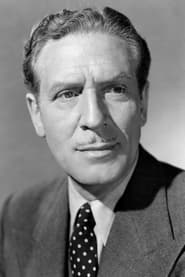
Paul Cavanagh
Actor
Born: December 8, 1888 in London, England Died: March 15, 1964 Active: 1932-1964
Films
3 films
About Paul Cavanagh
British character actor: over four decades in both British and American cinema. Born in London in 1888, he began his acting career on the stage before transitioning to films in the early 1930s. Cavanagh quickly established himself as a reliable performer specializing in sophisticated, aristocratic characters, often portraying villains, noblemen, or authority figures with his distinctive patrician demeanor and polished accent. Paul appears in more than 100 films throughout his career, working with major studios including MGM, Warner Bros., and Universal Pictures. During World War II, he became particularly known for his roles in mystery and film noir productions, often playing the suave antagonist. His later career saw him transition to television, where he continued to find work in guest roles throughout the 1950s and early 1960s. Cavanagh maintained his acting career until his death in 1964, leaving behind a legacy of memorable character performances that exemplified the classic Hollywood supporting actor.
The Craft
On Screen
Cavanagh was known for his refined, aristocratic screen presence and distinctive upper-class British accent. He excelled at playing sophisticated characters with an air of menace or moral ambiguity, often portraying noblemen, government officials, or criminal masterminds. His acting style was characterized by precise diction, controlled movements, and the ability to convey menace through subtle expressions rather than overt theatrics. He brought a sense of authenticity to his roles through his natural British bearing and education, making him particularly convincing in period pieces and international intrigue stories.
Milestones
- Transitioned from stage to film in early 1930s
- Became typecast as sophisticated villain in Hollywood
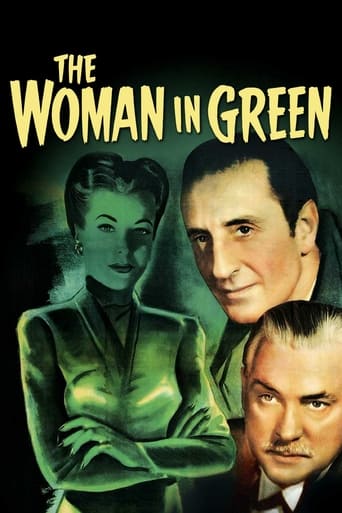
- Appeared in Universal's Sherlock Holmes series
- Worked consistently through Golden Age of Hollywood
- Successfully transitioned to television in 1950s
Best Known For
Iconic Roles
Must-See Films
Accolades
Special Recognition
- Hollywood Walk of Fame star (6263 Hollywood Blvd)
Working Relationships
Worked Often With
Studios
Why They Matter
Impact on Culture
Paul Cavanagh contributed significantly to the archetype of the sophisticated British villain in Golden Age Hollywood cinema. His consistent performances helped establish a template for the 'gentleman villain' that would influence countless character actors in subsequent decades. In film noir and mystery genres, his presence added an element of class and international intrigue that elevated these productions. His work in the Sherlock Holmes series helped cement the visual language of detective films, where his aristocratic bearing provided the perfect contrast to the more earthy characters.
Lasting Legacy
Cavanagh's legacy lies in his extensive body of work as one of Hollywood's most reliable character actors. While never achieving leading man status, he appeared in more than 100 films, leaving an indelible mark on classic cinema through his distinctive portrayals of sophisticated antagonists. His performances continue to be studied by film scholars as examples of the importance of character actors in creating the Golden Age Hollywood. Today, his work remains accessible through classic film channels and streaming services, introducing new generations to his particular brand of aristocratic villainy.
Who They Inspired
Cavanagh influenced subsequent generations of British character actors in Hollywood, demonstrating how a distinctive accent and bearing could become a valuable trademark in American cinema. His approach to playing villains with sophistication rather than overt menace paved the way for actors like George Sanders and Vincent Price. His ability to maintain a long career through supporting roles showed aspiring actors the viability of character acting as a sustainable career path in the film industry.
Off Screen
Paul Cavanagh was known as a private individual who maintained a separation between his professional and personal life. Despite playing villains on screen, he was regarded as a gentleman off-camera with a reputation for professionalism and reliability among his co-workers and directors. He never became a major star, which allowed him to maintain relative anonymity in his personal life while enjoying a steady career.
Education
Educated in England, attended Cambridge University where he studied law before pursuing acting
Family
- Phyllis Conway (1930-1935)
- Anne Abercrombie (1937-1964)
Did You Know?
- Was originally trained as a lawyer before turning to acting
- Served in the British Army during World War I
- Appeared in 11 films with Basil Rathbone
- Was often cast as a villain despite being described as a gentleman in real life
- His distinctive accent made him a popular choice for playing foreign diplomats and noblemen
- Never received top billing in any of his American films
- Was one of the few British actors to work continuously in Hollywood during World War II
- His final film role was in 'The Prize' (1963) starring Paul Newman
- Was a skilled horseman and often performed his own riding stunts
- Maintained his British citizenship throughout his Hollywood career
In Their Own Words
In an interview: 'I've made a career out of being the man you love to hate, and I'm rather proud of that.'
On acting: 'The secret to playing a good villain is to make the audience understand your motivation, even if they don't agree with it.'
About typecasting: 'Better to be the best at what you're known for than mediocre at everything else.'
Frequently Asked Questions
Who was Paul Cavanagh?
British character with credits in this catalog. He appeared in over 100 films, including notable roles in The Woman in Green and Dishonored Lady.
What films is Paul Cavanagh best known for?
Titles linked here include The Woman in Green (1944), Dishonored Lady (1947).
When was Paul Cavanagh born and when did he die?
Born December 8, 1888; died March 15, 1964.
What awards did Paul Cavanagh win?
While Paul Cavanagh never received major acting awards or Academy Award nominations, he was honored with a star on the Hollywood Walk of Fame at 6263 Hollywood Boulevard for his contributions to the film industry.
What was Paul Cavanagh's acting style?
Cavanagh was known for his refined, aristocratic screen presence characterized by precise diction, controlled movements, and a distinctive upper-class British accent. He specialized in playing sophisticated characters, often villains, using subtle expressions and menacing charm rather than overt theatrics.