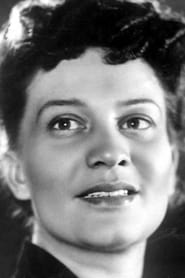
Nina Alisova
Actor
Born: December 13, 1916 in Moscow, Russian Empire Died: October 12, 1996 Active: 1936-1958 Birth Name: Nina Ivanovna Alisova
Films
3 films
About Nina Alisova
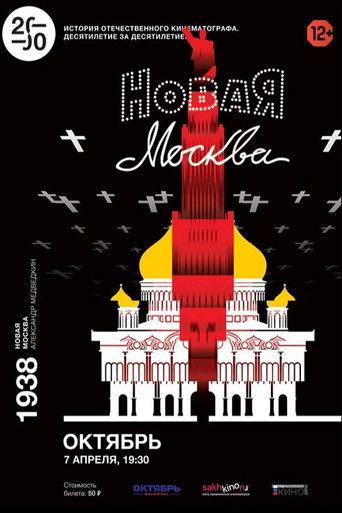
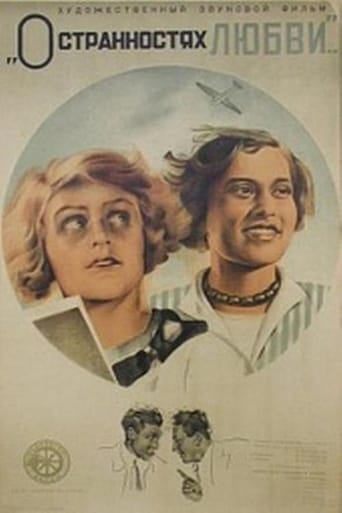
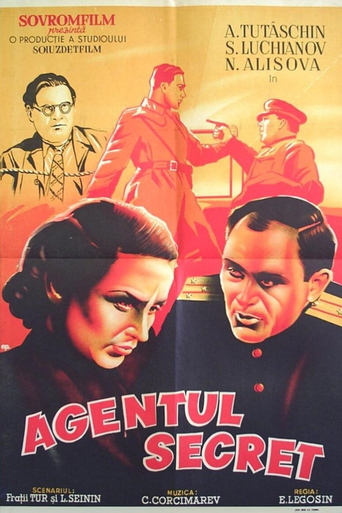
Nina Ivanovna Alisova — prominent Soviet actress who rose to prominence during the Stalinist era of Soviet cinema. Born in Moscow in 1916, she graduated from the prestigious State Institute of Cinematography (VGIK) in 1936, immediately launching her film career. Her breakthrough came with her role in 'On the Strangeness of Love' (1936), which established her as a promising young talent in the burgeoning Soviet film industry. Throughout the late 1930s and early 1940s, Alisova became known for her portrayals of strong, ideologically sound female characters that embodied the principles of socialist realism. Her performance in 'The New Moscow' (1938) further cemented her status as one of the leading actresses of her generation. During World War II, she continued her film work, contributing to the war effort through patriotic cinema. After the war, her career gradually declined as newer generations of actors emerged, though she remained active in smaller roles throughout the 1950s. Alisova's career, though relatively brief, represents a significant chapter in the history of Soviet cinema during one of its most ideologically charged periods.
The Craft
On Screen
Alisova was known for her naturalistic yet ideologically committed acting style, characteristic of the socialist realist school. Her performances combined emotional authenticity with the required ideological purity, creating characters that were both relatable and exemplary of Soviet ideals. She possessed a strong screen presence and the ability to convey complex emotions while maintaining the optimistic tone demanded by Soviet cinema of the era.
Milestones
- Graduated from VGIK (1936)
- Debut in 'On the Strangeness of Love' (1936)
- Leading role in 'The New Moscow' (1938)
- War-time film contributions (1941-1945)
- Transition to character roles in the 1950s
Best Known For
Iconic Roles
Must-See Films
Accolades
Won
- Honored Artist of the RSFSR (1950)
Nominated
- Stalin Prize nomination for 'The New Moscow' (1938)
Special Recognition
- Order of the Badge of Honour (1948)
- Medal 'For Valiant Labour in the Great Patriotic War 1941-1945'
Working Relationships
Worked Often With
Studios
Why They Matter
Impact on Culture
Nina Alisova's work represents an important chapter in the development of Soviet cinema during its most formative and ideologically driven period. Her performances helped define the archetype of the Soviet woman on screen - strong, dedicated, and ideologically pure. Through her roles in films like 'The New Moscow,' she contributed to the cultural narrative of Soviet progress and modernization. Her career trajectory, from leading lady to character actress, mirrors the broader evolution of Soviet cinema from the optimistic 1930s through the challenges of World War II and into the post-war period.
Lasting Legacy
Nina Alisova is remembered as a representative figure of Soviet cinema's golden age of socialist realism. While not as internationally famous as some of her contemporaries, her work remains significant for film historians studying Soviet cinema of the 1930s and 1940s. Her films are preserved in the Russian State Film Archive and continue to be studied by scholars examining the intersection of art and politics in Soviet culture. Her transition to teaching in her later years ensured that her knowledge and experience were passed to future generations of Russian performers.
Who They Inspired
Alisova influenced subsequent generations of Soviet actresses through her embodiment of the socialist realist aesthetic. Her naturalistic approach within ideological constraints showed how actors could maintain artistic integrity while working within a state-controlled system. Her teaching career at the Moscow Art Theatre School extended her influence beyond her screen performances, helping shape the approach of actors who would work during the later, more liberal periods of Soviet cinema.
Off Screen
Nina Alisova led a relatively private life away from the public eye, as was common for Soviet artists of her generation. She married fellow Soviet actor Vladimir Dorokhov in 1940, and their marriage lasted until his death in 1979. The couple had one daughter, Elena, who later became a theater critic. Alisova was known among her colleagues for her dedication to the craft and her unwavering commitment to Soviet artistic principles. In her later years, she taught acting at the Moscow Art Theatre School, passing on her knowledge to the next generation of performers.
Education
State Institute of Cinematography (VGIK), graduated 1936
Family
- Vladimir Dorokhov (1940-1979)
Did You Know?
- Was one of the first graduates of VGIK to achieve immediate stardom
- Her real first name was Antonina, but she used Nina professionally
- During WWII, she volunteered at front-line theaters entertaining troops
- Was briefly considered for the lead in 'Ivan the Terrible' before the role went to Lyudmila Tselikovskaya
- Spoke fluent French, which was unusual for Soviet actors of her generation
- Her film 'The New Moscow' was one of the first Soviet films to extensively feature urban modernization
- Maintained a lifelong friendship with director Andrei Tarkovsky, who cited her early work as influential
- Was blacklisted briefly in 1949 during the anti-cosmopolitan campaign but was quickly rehabilitated
- Her daughter Elena became
- Appeared in over 25 films, though many of her later roles were uncredited
In Their Own Words
In Soviet cinema, we didn't just play characters - we embodied ideals that were building our future society.
The camera doesn't lie, but it can reveal the truth of our socialist dreams.
Acting in the 1930s was not just art, it was a contribution to the great construction of socialism.
Frequently Asked Questions
Who was Nina Alisova?
Prominent Soviet actress active from 1936 to 1958, best known for her roles in socialist realist films during the Stalin era. She graduated from VGIK and became one of the leading actresses of her generation, embodying the ideal Soviet woman on screen.
What films is Nina Alisova best known for?
Titles linked here include On the Strangeness of Love (1936), The New Moscow (1938).
When was Nina Alisova born and when did she die?
Born December 13, 1916; died October 12, 1996.
What awards did Nina Alisova win?
Alisova was named an Honored Artist of the RSFSR in 1950 and received the Order of the Badge of Honour in 1948. She was also nominated for a Stalin Prize for her performance in 'The New Moscow' and received the Medal 'For Valiant Labour in the Great Patriotic War 1941-1945'.
What was Nina Alisova's acting style?
Alisova's acting style combined naturalistic performance with the ideological requirements of socialist realism. She was known for creating emotionally authentic characters while maintaining the optimistic tone and ideological purity demanded by Soviet cinema of her era.