
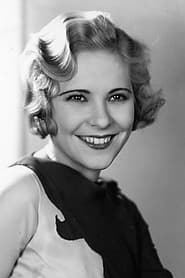
June Clyde
Actor
- Born
- December 7, 1910, Saint Joseph, Missouri, United States
- Died
- January 1, 1995
- Active
- c. 1920s-1940s
- Birth name
- Jane Fearnhaugh Clyde
Films 1
About June Clyde
June Clyde was an American actress, singer, and dancer who worked in film, stage, and radio during the late silent era and early sound period. Born Jane Fearnhaugh Clyde, she first came to notice as a youthful performer in the entertainment world and went on to appear in a number of short-lived but memorable motion pictures during the transition to talkies. Her screen work included a role in The Cuckoos (1930), a musical-comedy feature associated with the early sound era, and she also appeared in several other films and performance vehicles of the period. Beyond film, she remained active as a stage and radio entertainer, reflecting the versatility that many performers needed in the rapidly changing entertainment industry of the 1920s and 1930s. She later became known in part through her marriage to actor Tom Brown, with whom she had family, and through her continued association with show business circles. Although she was not a major long-term star of Hollywood’s studio system, she is representative of the many talented performers who bridged vaudeville, Broadway, early sound cinema, and radio. Her career offers a useful glimpse into the careers of adaptable female entertainers whose work helped shape the early sound film landscape.
More about June Clyde
On screen
June Clyde’s screen persona fit the polished, youthful, multi-talented entertainer common in early musical films. Her work drew on lightness, charm, and stage-trained poise rather than heavy dramatic characterization, which suited the fast-moving comedy and musical formats of the early 1930s. Like many performers of her era, she likely relied on vocal clarity, dance ability, and a pleasing camera presence to make an impression in ensemble pictures. Her performances were rooted in the conventions of vaudeville and musical comedy, emphasizing timing, attractiveness, and adaptability to the new requirements of sound filmmaking.
In film history
June Clyde’s cultural importance lies less in large-scale stardom than in what her career represents about the transitional entertainment industry of the early 20th century. She was part of the generation of performers who moved between stage, radio, and film as Hollywood absorbed vaudeville and Broadway talent for the new sound era. Her presence in a musical-comedy feature such as The Cuckoos reflects the period’s hunger for performers who could sing, dance, and act convincingly on camera. She stands as an example of the many women whose careers helped establish the template for the early talking-picture entertainer: stylish, adaptable, and marketable across multiple media. For film historians, she is valuable as a figure from the class of talented working performers who shaped early sound cinema even when they did not become enduring marquee names.
Later reputation
June Clyde’s legacy is that of a skilled, multi-disciplinary performer whose career captures the energy and instability of Hollywood’s transition into the sound era. She remains of interest to classic-film researchers because she worked in a period when performance traditions from vaudeville and stage were being retooled for the microphone and the camera. Even with a relatively small surviving film footprint, her work in early musical-comedy cinema places her among the artists who helped normalize the sound-film performer type. Her biography also illustrates how many early Hollywood actresses balanced screen work with stage and radio, contributing to the wider entertainment culture beyond the movies themselves. In film history, her name endures chiefly among specialists and collectors who study the transitional years of American cinema.
Influence
June Clyde influenced primarily through example rather than through a widely documented chain of direct mentorship. As a singer-actress-dancer working in early sound pictures, she was part of the model that later performers followed: a flexible, polished entertainer who could succeed across several media. Her career contributed to the broader acceptance of women as multi-talented musical-comedy stars in Hollywood. While she did not leave behind a large body of prestige films or a heavily recorded public persona, her work belongs to the foundation on which later musical and comedic screen performers built.
Off screen
June Clyde was born Jane Fearnhaugh Clyde in Saint Joseph, Missouri, and built her career in the entertainment industry from a young age. She married actor Tom Brown, and their relationship connected her to another family of performers in Hollywood. Publicly available biographical details about her private life are comparatively limited, which is not unusual for a performer whose best-known period came in the early studio era rather than during the age of intensive celebrity press coverage. She is remembered more for her professional versatility and for her place in early sound entertainment than for a heavily documented private life.
Education
Formal educational details are not widely documented in standard film references; she appears to have developed primarily as a stage-trained performer.
Credits
- Appeared in the early sound musical-comedy film The Cuckoos (1930)
- Worked as a screen actress during the transition from silent films to talkies
- Maintained a multi-medium career that included stage and radio performances
- Became part of Hollywood show-business circles through her marriage to actor Tom Brown
- Represents the generation of triple-threat performers who moved fluidly among singing, dancing, and acting
Roles
- Performer in The Cuckoos (1930)
Films
- The Cuckoos (1930)
Collaborators
- Tom Brown
- Performers and filmmakers associated with early 1930s musical-comedy productions
Studios
- Associated with early sound-era film production rather than a long-term exclusive studio contract
- Worked within the broader Paramount-era musical-comedy film environment
Family
- Tom Brown
Notes
- Her birth name is commonly given as Jane Fearnhaugh Clyde.
- She was born in Missouri, a state that produced a number of early entertainment figures who later worked in New York and Hollywood.
- The Cuckoos (1930) placed her in one of the early talkie-era musical-comedy formats that were especially dependent on stage-style performers.
- She worked not only in films but also in stage and radio, which was common for adaptable performers of her generation.
- She is sometimes overlooked in general film histories because her surviving screen record is relatively small.
- Her career illustrates the career path of many performers who entered film from variety or theatrical backgrounds.
- She was married to actor Tom Brown, linking her to another screen-acting family.
- Reference materials often provide limited detail about her later life, making her a somewhat elusive figure for researchers.
Questions
Who was June Clyde?
June Clyde was an American actress, singer, and dancer active in the late silent and early sound eras. She is best remembered for appearing in early musical-comedy film work, including The Cuckoos (1930), and for her career across film, stage, and radio.
What films is June Clyde best known for?
Her best-known screen appearance is The Cuckoos (1930), an early sound musical-comedy feature. She is also remembered more broadly as part of the transitional generation of performers who worked in talkies, stage entertainment, and radio.
When was June Clyde born and when did she die?
June Clyde was born on December 7, 1910, in Saint Joseph, Missouri, United States. She died on January 1, 1995.
What awards did June Clyde win?
There are no widely documented major awards or nominations associated with June Clyde in standard classic-film reference sources. Her significance is primarily historical and performance-based rather than award-centered.
What was June Clyde's acting style?
June Clyde’s style reflected the polished, stage-trained entertainer common in early sound-era musical films. Her screen appeal likely depended on charm, vocal clarity, and dance or performance ability rather than intense dramatic roles.
What is June Clyde's legacy in film history?
Her legacy lies in representing the many versatile performers who helped bridge vaudeville, stage, radio, and early sound cinema. She is a useful figure for understanding how Hollywood recruited and used triple-threat entertainers in the first years of talkies.