The Cuckoos
Plot
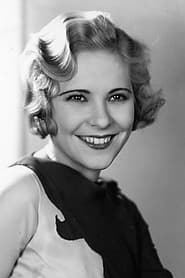
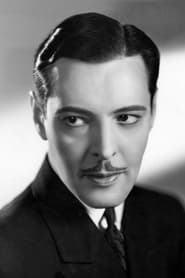
Bert Wheeler and Robert Woolsey play a pair of itinerant con men who pose as fortune tellers and drift into a romantic and financial muddle in a colorful gypsy setting. When their deception brings them into contact with a band of gypsies and a wealthy household, the two wind up entangled in misunderstandings, flirtations, and schemes that keep their scam constantly on the verge of collapse. Dorothy Lee appears as the ingenue who becomes central to the comic confusion, while the film plays on the Wheeler and Woolsey team’s trademark mix of fast-talking silliness, musical interludes, and broad physical comedy. The plot builds through increasingly chaotic encounters, with the fake mysticism of the leads colliding with the real concerns of the people around them. As in many early sound-era musical comedies, the story is ultimately a vehicle for comic routines, songs, and star personas rather than a tightly wound narrative.
About the Production
The film was produced during the early sound era as part of RKO’s effort to capitalize on the popular comedy duo Bert Wheeler and Robert Woolsey, who had become a reliable attraction in musical-comedy vehicles. Like many productions of the period, it was made primarily on studio sets with a strong emphasis on dialogue, songs, and comic business rather than location realism. Its gypsy material reflects the era’s loose and often stereotyped use of ethnic color in Hollywood comedies, something that later viewers may find dated even when judged against contemporary standards. The film also belongs to a transitional moment when studios were still learning how to balance cinematic staging with recorded sound, so the production style tends to favor static setups that allow the performers’ patter to dominate.
Historical Background
The Cuckoos was produced in 1930, at the beginning of the sound-film era and only a few years after Hollywood had fully embraced synchronized dialogue and music. This was also the pre-Code period, before strict enforcement of the Production Code reshaped what mainstream American films could depict, which is one reason early-1930s comedies often feel comparatively cheeky and loose in tone. The film emerged during the Great Depression, when audiences were seeking diversion, fast-paced entertainment, and musical-comic escapism from economic hardship. RKO, still a comparatively new studio, was building a stable of recognizable entertainers and used films like this to compete in a crowded market of musical revues, comedies, and star vehicles. The picture matters historically because it reflects both the glamour and the limitations of early sound filmmaking: energetic performers, compact running times, studio-bound production, and a strong dependence on stage-derived comic timing.
Why This Film Matters
The Cuckoos is significant primarily as part of the early Wheeler and Woolsey corpus, which helped define one strand of American film comedy in the transition from silent slapstick to sound-based verbal humor. The film documents the era when studios were experimenting with how to translate vaudeville and Broadway sensibilities to the screen, and it preserves a form of comic performance that was heavily dependent on patter, timing, and persona. It also illustrates the cultural habits of early Hollywood, including its casual use of ethnic caricature and exoticized settings, which today are studied as much for their social assumptions as for their entertainment value. For classic-film audiences and historians, the movie is valuable as a snapshot of RKO’s early identity and of the short-lived but influential popularity of Wheeler and Woolsey as a team.
Making Of
The Cuckoos was made at a time when RKO was still relatively young and eager to establish bankable stars, and Wheeler and Woolsey were among the studio’s most dependable comic properties. Their screen partnership depended on a contrast of personalities: Wheeler’s excitable innocence against Woolsey’s deadpan con-man swagger, a formula that the studio repeatedly returned to in the early 1930s. Dorothy Lee’s presence was also important because she gave these films a stable romantic center and a recognizable foil for the duo’s increasingly absurd schemes. Production was shaped by the early-talkie style of the era, which often favored theatrical staging and carefully timed dialogue exchanges, especially in comedy vehicles built around performers’ voices and timing. The film’s gypsy-fortune-teller setting allowed the writers and production team to create a carnival atmosphere with costumes, songs, and ensemble scenes, even if the result now reads as a studio-bound fantasy rather than a realistic depiction of nomadic life.
Visual Style
The cinematography is characteristic of early sound-era studio filmmaking, with an emphasis on clear framing, stable camera setups, and well-lit interiors that support dialogue and ensemble performance. Rather than elaborate visual movement, the film relies on composition and blocking so that Wheeler and Woolsey can play off one another while songs and routines unfold in readable fashion. The gypsy setting gives the production an opportunity for costume richness and decorative backgrounds, but the overall look remains firmly stage-influenced and controlled. As a result, the film is most notable visually for its period atmosphere and studio-crafted comic spaces rather than for dynamic camera innovation.
Innovations
The film’s main technical significance lies in its early use of synchronized sound in a comic-musical format, when studios were still refining methods for recording dialogue, songs, and ensemble scenes. It is representative of the period’s transitional style, in which camera movement was often limited in favor of acoustically reliable staging. While not a technological landmark in the way some early sound musicals were, it is important as an example of how studios adapted vaudeville-style comedy to the screen. Its value is therefore historical and industrial rather than innovative in a strictly technical sense.
Music
As an early musical comedy, the film uses songs and musical interludes as part of its entertainment structure, though it is not remembered today for a widely celebrated standalone score. Music functions primarily as a support for the stars’ comic timing and for the film’s carnival-like atmosphere. The soundtrack reflects the early talkie period’s emphasis on preserving performance clarity, so musical numbers are generally presented in a straightforward manner rather than through later, more mobile cinematic techniques. Specific song titles are not consistently documented in readily available sources, but the film belongs to the wave of RKO sound comedies that mixed popular music, novelty tunes, and dialogue-driven humor.
Memorable Scenes
- The repeated fortune-telling and scam sequences in which the two leads try to maintain their fake identities while matters spiral out of control.
- The comic interactions between Bert Wheeler and Robert Woolsey that showcase their contrast in temperament and timing.
- The romantic-comic moments involving Dorothy Lee, which serve as the emotional anchor amid the chaos.
- The ensemble material in the gypsy setting, which gives the film its most colorful atmosphere and broadest comic movement.
Did You Know?
- The film stars Bert Wheeler and Robert Woolsey, one of the most popular comedy teams of the early sound era.
- Dorothy Lee appears as the romantic female lead, a role type she frequently played opposite Wheeler and Woolsey in RKO comedies.
- The movie is a product of RKO Radio Pictures’ early strategy of building distinctive comic stars in the new sound era.
- Its title refers to the comic, sometimes chaotic tone associated with the leads rather than to the actual bird.
- The story uses fortune-telling and gypsy imagery, both common comic motifs in 1930s studio entertainment.
- As with many films from the period, much of the humor depends on dialogue rhythms and wordplay that were designed for the new sound medium.
- The film is part of the broader wave of pre-Code musical comedies that mixed romance, risque innuendo, and broad slapstick.
- It is not among the most frequently revived Wheeler and Woolsey titles, making surviving documentation and prints especially valuable to classic-film researchers.
- The film’s comic style reflects the vaudeville background of its stars, who built routines from stage traditions adapted to film.
- Early RKO comedies like this one helped define the studio’s identity before later decades made it better known for other genres.
What Critics Said
Contemporary reviews are not as widely documented as for some major studio releases, but the film was generally received in line with Wheeler and Woolsey’s other early comedies: as a lively, lightweight entertainment that relied on star chemistry more than narrative sophistication. Critics of the time often judged such films by how effectively they delivered laughs, songs, and personality-driven routines, and The Cuckoos fit comfortably within that framework. Modern criticism tends to place it within the context of early sound comedy and pre-Code musical production, appreciating its historical value and its performers’ timing while also noting dated material, studio-bound staging, and stereotypes that are difficult to overlook today. It is usually discussed more as a representative example of Wheeler and Woolsey’s style than as one of the duo’s most celebrated features.
What Audiences Thought
At the time of release, the film likely appealed to audiences who enjoyed the Wheeler and Woolsey brand of rapid-fire nonsense, musical numbers, and comic misunderstandings. The pairing had a built-in following, and the film’s blend of romance, farce, and light musical entertainment would have suited Depression-era moviegoers looking for affordable escapism. In later decades, audiences have mostly encountered the film through repertory screenings, archives, or home-video releases rather than through mainstream revival, so its present-day reception is generally among classic-film enthusiasts and historians. Contemporary viewers may appreciate the historical charm and energetic performances even if some jokes and stereotypes feel dated.
Film Connections
Influenced By
- Vaudeville comedy traditions
- Broadway musical-comedy structure
- Early sound film farces
- Stage fortune-teller and gypsy melodrama motifs
This Film Influenced
- Later Wheeler and Woolsey comedies
- Subsequent RKO musical farces drawing on team-based comic patter
You Might Also Like
More Comedy Films
View allMore from Paul Sloane
View allFilm Restoration
The film is extant and known to survive, though it is not among the most commonly circulated Wheeler and Woolsey titles. It is generally regarded as a surviving classic-era RKO title available through archive holdings and occasional cataloged home-video or streaming presentations depending on licensing. I could not verify a specific restoration campaign from the available information, so its restoration status is best described as surviving but not widely documented as newly restored.