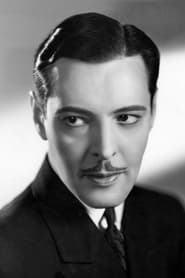
Ivan Lebedeff
Actor
Born: June 18, 1898 in Moscow, Russian Empire Died: March 31, 1933 Active: 1926-1933 Birth Name: Ivan Vasilyevich Lebedev
Films
6 films

About Ivan Lebedeff
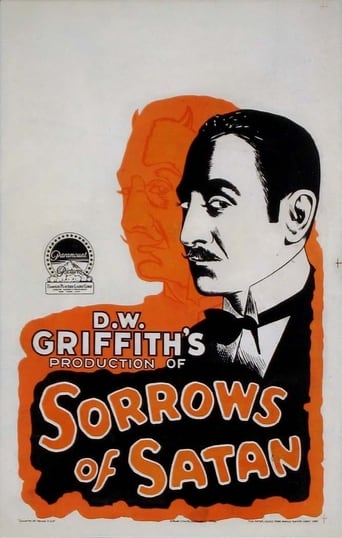
Russian-born actor who found success in Hollywood during the transition from silent films to talkies in the late 1920s and early 1930s. Born into aristocracy, he fled Russia following the Bolshevik Revolution and eventually made his way to the United States, where his striking appearance and continental charm made him a natural fit for exotic villain and romantic lead roles. Lebedeff signed with MGM and quickly became typecast as the sophisticated European antagonist, often playing counts, princes, or foreign noblemen in melodramas and romantic films. His breakthrough role came in D.W. Griffith's 'The Sorrows of Satan' (1926), where he played the wealthy Prince Boris opposite Carol Dempster. Throughout his brief but notable career, he appeared in over 30 films, working alongside major stars of the era including Pola Negri, Gloria Swanson, and Mary Pickford. Lebedeff successfully navigated the transition to sound films, though his thick Russian accent limited the range of roles available to him. His career was cut tragically short when he died of a heart attack at age 34, just as he was establishing himself as a reliable character actor in Hollywood's early sound era.
The Craft
On Screen
Lebedeff was known for his intense, brooding screen presence and sophisticated continental demeanor. His acting style combined elements of Russian theatrical tradition with Hollywood's emerging naturalism, characterized by piercing stares, dramatic gestures, and a commanding physical presence. In silent films, he excelled at conveying complex emotions through subtle facial expressions and body language, while in talkies, his distinctive Russian accent became part of his exotic appeal. He specialized in playing aristocratic villains and romantic anti-heroes, bringing a sense of dangerous sophistication to every role.
Milestones
- Breakthrough role in D.W. Griffith's 'The Sorrows of Satan' (1926)
- Successful transition from silent films to talkies
- Typecast as exotic European villain in Hollywood melodramas
- Contract player at MGM during the studio system's golden age
- Appeared in over 30 films in just 7 years
Best Known For
Iconic Roles
Must-See Films
Working Relationships
Worked Often With
Studios
Why They Matter
Impact on Culture
Ivan Lebedeff represents the wave of European talent that enriched Hollywood during the silent era and early sound period. As one of the few Russian actors to achieve significant success in American cinema during this era, he helped establish the archetype of the sophisticated, dangerous European villain that would become a staple of Hollywood films. His successful transition from silent to sound films, despite his accent, demonstrated the possibilities for foreign actors in early talkies. Lebedeff's career also reflects the broader story of Russian émigrés who fled the revolution and found new lives in the American film industry, bringing their cultural heritage and artistic sensibilities to Hollywood productions.
Lasting Legacy
Though his career was brief, Ivan Lebedeff left an indelible mark on early Hollywood as the quintessential European villain of the late silent and early sound era. His work helped establish the template for foreign antagonists in American cinema, a trope that would persist throughout the Golden Age of Hollywood. Film historians often cite him as an example of the international talent that Hollywood attracted during its formative years. His performances, particularly in 'The Sorrows of Satan,' are studied today as examples of the transition from silent film acting techniques to the more naturalistic style required by sound cinema. Lebedeff remains a fascinating figure for classic cinema enthusiasts, representing both the glamour and the tragedy of Hollywood's early years.
Who They Inspired
Lebedeff influenced subsequent generations of European actors in Hollywood by demonstrating that a foreign accent could be an asset rather than a liability in American films. His portrayal of sophisticated, dangerous Europeans helped create a character archetype that would later be filled by actors like Bela Lugosi, Peter Lorre, and Conrad Veidt. His ability to convey complex emotions through minimal means in silent films provided a model for actors transitioning to talkies. Though he died too young to directly mentor younger actors, his work ethic and professional approach during Hollywood's transition to sound set an example for other foreign performers navigating the challenges of the new medium.
Off Screen
Lebedeff came from a wealthy Russian aristocratic family and received an excellent education before the revolution forced him to flee his homeland. He briefly served in the White Russian army during the civil war before escaping through Constantinople and eventually reaching Paris, where he began his acting career in theatrical productions. In 1927, he married American actress and screenwriter Anita Loos' sister Gladys, though the marriage was short-lived. He was known in Hollywood circles for his intellectual pursuits, love of literature, and melancholic demeanor, which many attributed to his experiences during the Russian Revolution. His death at age 34 from a heart attack shocked the Hollywood community and cut short a promising career.
Education
Educated in Moscow before the Russian Revolution; attended military academy and studied law at Moscow University
Family
- Gladys Loos (1927-1929)
Did You Know?
- Fled Russia after the Bolshevik Revolution, serving briefly in the White Russian army
- Was discovered by director D.W. Griffith while performing in a Paris theater
- His aristocratic bearing and real-life countenance made him perfect for royal roles
- Despite being typecast as villains, he was reportedly a gentle and intellectual man off-screen
- Spoke five languages fluently: Russian, French, English, German, and Italian
- His death certificate listed his occupation as 'actor' with a note that he was 'unemployed at death'
- Appeared in both silent and sound versions of some films during the transition period
- Was often credited simply as 'Count Lebedeff' in early film advertisements
- His final film 'The Woman Who Dared' was released posthumously in 1933
- Maintained a extensive library of Russian literature throughout his life in Hollywood
In Their Own Words
The revolution took everything from me except my education and my determination to survive
In America, even a Russian count can become something new - if he is willing to work
Acting is not pretending; it is remembering emotions we have all felt but cannot express
Hollywood is a strange place - they pay you to be what you were born to be, then complain when you cannot be something else
Frequently Asked Questions
Who was Ivan Lebedeff?
Russian-born with credits in this catalog. He appeared in over 30 films during his brief career before his untimely death at age 34.
What films is Ivan Lebedeff best known for?
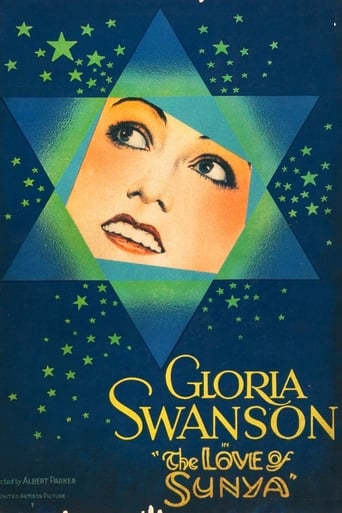
Titles linked here include The Sorrows of Satan (1926), The Love of Sunya (1927).
When was Ivan Lebedeff born and when did he die?
Born June 18, 1898; died March 31, 1933.
What awards did Ivan Lebedeff win?
Ivan Lebedeff did not receive any major awards or nominations during his career, which was relatively brief and occurred before many modern film awards were established.
What was Ivan Lebedeff's acting style?
Lebedeff was known for his intense, brooding screen presence and sophisticated continental demeanor, combining Russian theatrical tradition with Hollywood's emerging naturalism. He excelled at playing aristocratic villains with dangerous charm, using piercing stares and dramatic gestures to convey complex emotions.
How did Ivan Lebedeff end up in Hollywood?
Lebedeff fled Russia after the Bolshevik Revolution, served briefly in the White Russian army, and eventually made his way to Paris where he began acting in theaters. Director D.W. Griffith discovered him there and brought him to Hollywood, where he signed with MGM in 1926.
Did Ivan Lebedeff successfully transition to talkies?
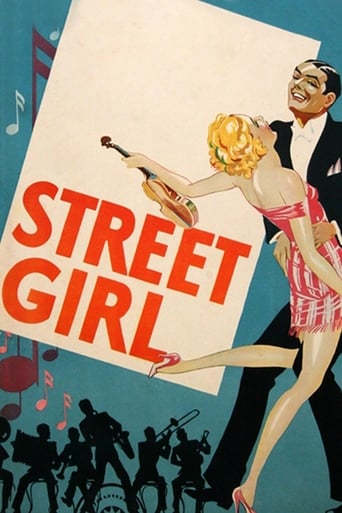
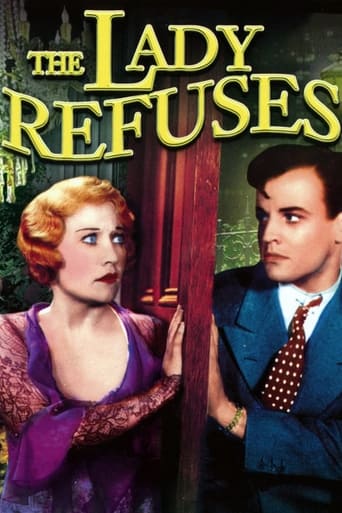
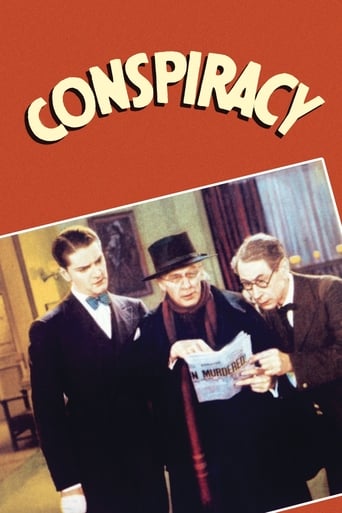
Yes, Lebedeff successfully transitioned from silent films to talkies, though his thick Russian accent limited his role options. He appeared in sound films including 'Street Girl' (1929), 'Conspiracy' (1930), and 'The Lady Refuses' (1931), making his accent part of his exotic appeal.