Alexander Hammid
Actor & Director
Born: December 17, 1907 in Linz, Austria (then Austria-Hungary) Died: July 26, 2004 Active: 1930s-1990s Birth Name: Alexander Hackenschmied
Films
3 films

About Alexander Hammid
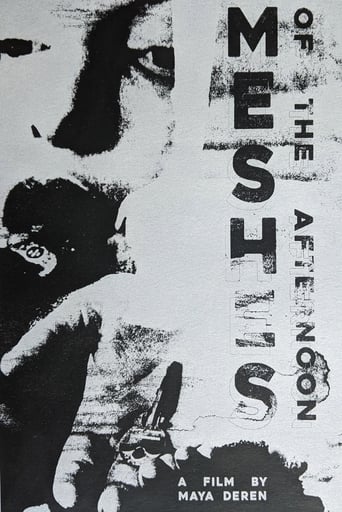
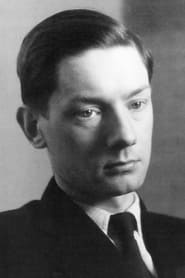
Alexander Hammid (born Alexander Hackenschmied, December 17, 1907 - July 26, 2004) was a Czech-American photographer, film director, cinematographer, and editor who became a foundational figure in experimental cinema. He began his career in Prague in the 1930s, working on documentary films before fleeing the Nazi invasion and immigrating to the United States in 1939. In America, he met and married Maya Deren, with whom he created the influential avant-garde masterpiece 'Meshes of the Afternoon' (1943), in which he also appeared as an actor. After their divorce, he continued working as a cinematographer and director on numerous documentaries and experimental films, including 'The Private Life of a Cat' (1944). Hammid's technical innovations and artistic vision influenced generations of experimental filmmakers, and his work continues to be studied in film schools worldwide. He spent his later years teaching and mentoring young filmmakers while maintaining his passion for pushing the boundaries of cinematic expression.
The Craft
On Screen
As an actor, Hammid appeared primarily in experimental films, most notably in 'Meshes of the Afternoon' where he played the mysterious male figure. His acting style was minimalist and symbolic, serving the surreal and dreamlike narrative rather than traditional character development. His performances were characterized by a detached, almost ghostly presence that enhanced the psychological atmosphere of the films, using movement and gesture to convey meaning rather than dialogue or conventional expression.
Behind the Camera
Hammid's directing style was innovative and experimental, emphasizing visual poetry over conventional narrative. He was known for his technical mastery of camera movement, editing rhythms, and the use of symbolic imagery. His films often explored themes of consciousness, dreams, and psychological states through non-linear storytelling and innovative visual techniques. He was particularly skilled at creating atmosphere through careful composition, lighting, and editing that challenged traditional cinematic conventions.
Milestones
- Created 'Meshes of the Afternoon' (1943) with Maya Deren, considered a masterpiece of American avant-garde cinema
- Directed 'The Private Life of a Cat' (1944)
- Pioneered experimental film techniques
- Fled Nazi occupation to continue artistic work in America
- Mentored generations of experimental filmmakers
- Worked as cinematographer on numerous documentary films
Best Known For
Iconic Roles
Must-See Films
Accolades
Won
- National Film Registry selection for 'Meshes of the Afternoon' (1990)
Special Recognition
- National Film Registry induction
- Recognized as pioneer of American avant-garde cinema
- Retrospective exhibitions at major museums worldwide
Working Relationships
Worked Often With
Studios
Why They Matter
Impact on Culture
Alexander Hammid was instrumental in establishing American experimental cinema as a legitimate artistic movement. His collaboration with Maya Deren on 'Meshes of the Afternoon' created a template for personal, avant-garde filmmaking that would influence countless artists. The film's innovative use of subjective camera, dream logic, and symbolic imagery helped define the aesthetic of experimental cinema. Hammid's technical innovations in cinematography and editing expanded the vocabulary of film language beyond commercial cinema constraints, demonstrating that film could be a medium for personal expression and artistic exploration.
Lasting Legacy
Hammid's legacy lies in his role in American experimental cinema and his technical innovations that expanded the possibilities of film as an artistic medium. 'Meshes of the Afternoon' remains. His work bridged European avant-garde traditions with American artistic sensibilities, helping to establish New York as a center for experimental filmmaking. His influence can be seen in the work of experimental filmmakers from the 1960s counterculture to contemporary digital artists, and his techniques continue to be taught in film schools worldwide.
Who They Inspired
Hammid influenced generations of experimental filmmakers through both his work and his teaching. His techniques for creating psychological states through visual means became standard tools in the avant-garde filmmaker's toolkit. Filmmakers as diverse as Stan Brakhage, Jonas Mekas, and even mainstream directors like David Lynch have acknowledged the influence of Hammid's visual innovations. His emphasis on personal expression and formal experimentation helped establish the legitimacy of avant-garde cinema as an art form worthy of serious consideration alongside commercial filmmaking.
Off Screen
Hammid was married twice, most notably to Maya Deren, with whom he collaborated on several influential experimental films. Their marriage lasted from 1942 to 1947, during which they created some of the most important works in American experimental cinema. After their divorce, he married Hella Hammid, a photographer, with whom he also collaborated on film projects. He had no children. Throughout his life, he maintained connections with the international avant-garde film community and continued creating and mentoring until his death in New York City at age 96.
Education
Studied at the Technical University in Prague, trained as photographer and filmmaker
Family
- Maya Deren (1942-1947)
- Hella Hammid (1948-2004)
Did You Know?
- Born Alexander Hackenschmied, he changed his name to Alexander Hammid when he came to America
- Fled Nazi-occupied Czechoslovakia in 1939 with only his camera
- Met Maya Deren at a screening of his film 'Prague in Spring'
- Meshes of the Afternoon was filmed with a borrowed 16mm camera
- The film was shot in only a few weeks at their Los Angeles apartment
- Hammid was also an accomplished photographer with exhibitions worldwide
- He continued making films well into his 80s
- His films are studied in film schools worldwide
- He never worked for Hollywood studios, maintaining his independence
- The Private Life of a Cat was filmed in their apartment with real cats
- Worked as cinematographer on Herbert Kline's documentary 'The Forgotten Village' (1941)
- His early films in Czechoslovakia were influenced by Soviet montage theory
In Their Own Words
Film is not just a recording device, it's a way of seeing and thinking
The camera should not just observe but participate in the creation of reality
In experimental film, we are not telling stories but creating experiences
The most important thing is to remain true to your artistic vision, no matter the cost
Cinema is the poetry of light and movement
Frequently Asked Questions
Who was Alexander Hammid?
Czech-American filmmaker, cinematographer, and experimental artist who helped establish American avant-garde cinema. Born Alexander Hackenschmied in 1907, he fled Nazi-occupied Czechoslovakia and became instrumental in creating influential experimental films, most notably 'Meshes of the Afternoon' (1943) with Maya Deren.
What films is Alexander Hammid best known for?
Titles linked here include Meshes of the Afternoon (1943), The Private Life of a Cat (1944).
When was Alexander Hammid born and when did he die?
Born December 17, 1907; died July 26, 2004.
What awards did Alexander Hammid win?
While Hammid didn't receive traditional industry awards, his most significant recognition was the induction of 'Meshes of the Afternoon' into the National Film Registry in 1990, acknowledging its cultural, historical, and aesthetic importance. He is widely recognized as a figure in experimental cinema, though his work was outside mainstream award systems.
What was Alexander Hammid's directing style?
Hammid's directing style was innovative and experimental, emphasizing visual poetry over conventional narrative. He was known for technical mastery of camera movement, editing rhythms, and symbolic imagery. His films explored consciousness and dreams through non-linear storytelling, challenging traditional cinematic conventions with careful composition and atmospheric lighting.
How did Alexander Hammid influence cinema?
Hammid was instrumental in establishing American experimental cinema as a legitimate artistic movement. His work expanded film language beyond commercial constraints, influencing generations of filmmakers from experimental artists to mainstream directors. His technical innovations and emphasis on personal expression helped legitimize avant-garde cinema as an art form.
What was Alexander Hammid's relationship with Maya Deren?
Hammid met and married Maya Deren in 1942, and together they created 'Meshes of the Afternoon,'. Their collaboration lasted until their divorce in 1947, but their artistic partnership had a lasting impact on American avant-garde cinema. Deren became a leading figure in experimental film, building on techniques they developed together.