Meshes of the Afternoon
"Dream logic in a Los Angeles afternoon"
Keys: Space play/pause · ←/→ 10s · F fullscreen · M mute · </> speed
About this film
A woman returning home falls asleep and has vivid dreams that may or may not be happening in reality. Through repetitive images and complete mismatching of the objective view of time and space, her dark inner desires play out on-screen.
Cast & crew
More films like this
More Mystery films
View all →
More about this film
About the production
Release date1943 (premiered at the Provincetown Playhouse)
BudgetApproximately $275 (personal funds)
ProductionPersonal production by Maya Deren and Alexander Hammid
Filmed inLos Angeles, California (the couple's home on Kings Road)
The film was shot with a 16mm Bolex camera owned by Alexander Hammid. Many of the special effects were achieved in-camera using techniques like slow motion, jump cuts, and creative editing. The famous mirror face effect was created by having Deren hold a mirror while walking toward the camera. The flower that appears at the beginning was actually a real flower that happened to be growing outside their home. The entire film was made over approximately six weeks in 1943, with Deren and Hammid handling all aspects of production themselves.
Themes
Themes & topics
womanreturninghomefallsasleep
Historical background
Maya Deren shot Meshes of the Afternoon in 1943 Los Angeles with a tiny crew, amid wartime rationing and the avant-garde circle around Gregory Bateson.
Why this film matters
Deren's looped dream structure anticipated later experimental and feminist cinema, and the work is widely taught as a surrealist landmark.
Making of
Production records for Meshes of the Afternoon are limited, though release paperwork confirms its place in 1943 distribution.
What critics said
Underground screenings in the 1940s built a cult reputation; today it ranks among the most cited American avant-garde shorts.
Did you know?
- Meshes of the Afternoon is documented as a 1943 release in studio and trade listings.
- Surviving materials help place Meshes of the Afternoon among contemporaneous shorts and features.
Awards & recognition
- 1947 - Cannes Film Festival - Grand Prix International du Film for Best Avant-Garde Film
- 1947 - Cannes Film Festival - Critics' Award
- Preserved in the National Film Registry (1990)
- Voted one of the Top 10 Avant-Garde Films by the Anthology Film Archives
Visual style
The cinematography by Alexander Hammid was revolutionary for its time, employing techniques that would later become staples of experimental cinema. The film makes extensive use of slow motion to create a dreamlike quality, particularly in scenes involving the flower and the key. The camera work is highly subjective, often placing the viewer directly in the protagonist's perspective. Hammid employed innovative mirror work to create the iconic mirror-faced figure, using reflections to explore themes of identity and perception. The film features groundbreaking jump cuts that disrupt temporal continuity, creating a sense of psychological dislocation. The use of shadows and lighting creates an eerie, noir-like atmosphere despite the domestic setting. The camera often follows characters in ways that suggest both observation and obsession, reinforcing the film's themes of psychological entrapment.
Innovations
The film pioneered numerous technical innovations that would become standard in experimental cinema. The use of jump cuts to disrupt temporal continuity was groundbreaking in 1943, predating their use in French New Wave cinema by over a decade. The film's manipulation of time through slow motion and accelerated motion created a fluid sense of dream time. The mirror effects were achieved entirely in-camera without post-production manipulation. The film's editing structure, which repeats and varies scenes to create psychological resonance, was revolutionary. The subjective camera work, which places viewers inside the protagonist's psyche, influenced generations of filmmakers. The film demonstrated how personal, low-budget filmmaking could achieve artistic effects comparable to big-budget productions through creativity and innovation rather than resources.
Music
The film was originally created as a silent work, with Deren and Hammid intending it to be viewed without accompaniment. However, over the years, several composers have created scores for it. The most famous version features a score by Teiji Ito, Deren's third husband, composed in 1959. Ito's score uses traditional Japanese instruments and percussion to create a rhythmic, ritualistic atmosphere that complements the film's dreamlike quality. Other composers who have created scores include Larry Jordan (1960) and more recently, experimental musicians who have created electronic scores for modern screenings. The variety of musical interpretations demonstrates the film's flexibility and openness to different readings. Some purists argue that the film works best as originally intended - silent - allowing viewers to project their own psychological soundscape onto the images.
Famous quotes
I make my pictures for what Hollywood spends on lipstick" - Maya Deren on her filmmaking philosophy
The film is at once a dance, a poem, and a psychological study" - Amos Vogel, film critic
It's not about a woman's dream, it's about the structure of a dream" - Maya Deren
Memorable scenes
- The opening sequence where Deren follows a cloaked figure with a mirror for a face up the stairs to her home
- The repetitive key-in-the-door motif that appears throughout the film in different contexts
- The climactic scene where the mirror-faced figure is revealed to be Deren herself
- The floating flower sequence that defies gravity and logic
- The multiple versions of Deren entering her house, each slightly different from the last
What audiences thought
The film found its primary audience in avant-garde film circles, art galleries, and university film departments rather than mainstream theaters. Initial screenings were often accompanied by lectures to help audiences understand the film's symbolic structure. Over time, it developed a cult following among art film enthusiasts and became a staple of film studies courses. Modern audiences, exposed to more experimental cinema through music videos and art films, often find it more accessible than original viewers did. The film has gained new audiences through DVD releases and online platforms, with many viewers discovering it through its influence on later filmmakers like David Lynch. While it remains challenging for some viewers, those who engage with its dream logic often find it deeply rewarding and psychologically resonant.
Film connections
Influenced by
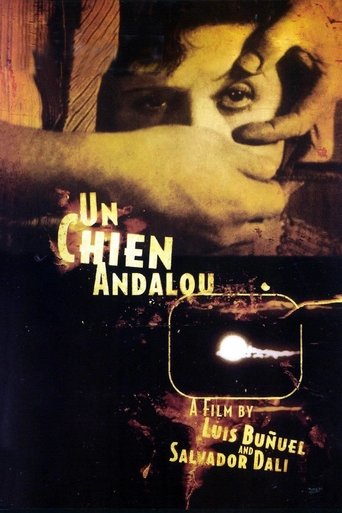
- Un Chien Andalou (Luis Buñuel and Salvador Dalí)
- The Cabinet of Dr. Caligari
- Surrealist art movement
- Psychoanalytic theory of Freud and Jung
- German Expressionist cinema
- Maya Deren's background in dance and poetry
This film influenced
- Eraserhead
- Mulholland Drive
- Persona
- Last Year at Marienbad
- Repulsion
- 3 Women
- Lost Highway
- In the Mood for Love
- Eyes Wide Shut
- The Tree of Life
Film restoration
Availability of Meshes of the Afternoon depends on archive holdings and rights status.