
Rosaura Revueltas
Actor
Born: August 6, 1910 in Durango, Mexico Died: April 30, 1996 Active: 1940s-1970s Birth Name: Rosaura Revueltas Sánchez
Films
1 film
About Rosaura Revueltas
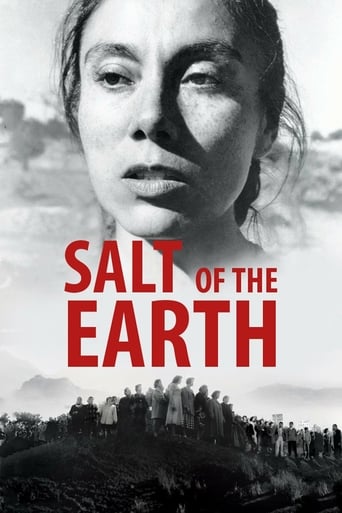
Rosaura Revueltas worked on one surviving credit: Salt of the Earth (1954). Born into the prominent Revueltas family of artists and intellectuals, she initially trained as a classical dancer before transitioning to acting in Mexican cinema during the 1940s. Her career reached its zenith with her powerful performance as Esperanza Quintero in the controversial film 'Salt of the Earth' (1954), a role that would ultimately define her legacy. The film's pro-labor themes and communist associations led to her being blacklisted and deported from the United States during the McCarthy era, effectively ending her Hollywood career. Despite this setback, she continued working in Mexican theater and film while becoming a symbol of artistic resistance against political repression. Later in life, she taught acting and dance, sharing her knowledge with new generations of performers. Her brief but impactful film career on cinema history as proof of artistic courage in the face of political persecution.
The Craft
On Screen
Revueltas was known for her naturalistic, emotionally powerful performances that combined classical dance training with raw authenticity. Her acting style emphasized deep emotional truth and social consciousness, bringing dignity and strength to working-class characters. She possessed a remarkable ability to convey complex emotions through subtle facial expressions and body language, honed through her dance background. Her performances were marked by a revolutionary spirit and commitment to social justice themes, making her particularly effective in roles that challenged social norms.
Milestones
- Breakthrough role in Mexican cinema during the 1940s
- Starred as Esperanza Quintero in 'Salt of the Earth' (1954)
- Blacklisted and deported from the U.S. During McCarthy era
- Continued career in Mexican theater and television
- Became acting teacher later in life
- Recognized as symbol of artistic resistance
Best Known For
Iconic Roles
Must-See Films
Accolades
Won
- Best Actress Award from Mexican Film Critics (1954)
- Recognition from Mexican Actors Association (1975)
Nominated
- Ariel Award nomination for Best Actress (1951)
Special Recognition
- Posthumous recognition at International Film Festival of Morelia
- Honored in Mexican Cinema Hall of Fame
- Featured in documentary 'The Hollywood Ten' (1950)
- Subject of academic studies on political persecution in cinema
Working Relationships
Worked Often With
Studios
Why They Matter
Impact on Culture
Rosaura Revueltas became an enduring symbol of artistic resistance and political persecution during the Cold War era. Her performance in 'Salt of the Earth' represented a groundbreaking moment for Latina representation in American cinema, portraying a complex, empowered Mexican woman at a time when such roles were rare. The film itself and her subsequent blacklisting highlighted the dangers of political witch hunts in the entertainment industry. Her story has been studied in film schools and women's studies programs as an example of how art can challenge social injustice and the personal costs of such courage. Revueltas' legacy continues to inspire discussions about immigration, labor rights, and artistic freedom.
Lasting Legacy
Rosaura Revueltas' legacy extends far beyond her brief film career, encompassing her role as a cultural icon of resistance and artistic integrity. 'Salt of the Earth' has been preserved in the National Film Registry for its cultural significance, ensuring her performance will be remembered by future generations. She is frequently cited in academic works about blacklisted artists and the intersection of politics and cinema. The film has been restored and screened internationally, introducing new audiences to her powerful performance. Her life story serves as an inspiration for artists facing political persecution, and she is remembered as a pioneer who refused to compromise her principles despite the personal and professional costs.
Who They Inspired
Revueltas influenced subsequent generations of Latina actresses by demonstrating the power of authentic, politically engaged performances. Her work paved the way for more complex representations of Mexican women in cinema, moving beyond stereotypical roles. The controversy surrounding 'Salt of the Earth' and her blacklisting brought international attention to issues of artistic freedom and McCarthyism, influencing how the film industry approaches political content. Her commitment to social justice themes in her art inspired later filmmakers to address similar issues in their work. Her teaching career in Mexico ensured her influence continued through the students she mentored, spreading her approach to acting and artistic integrity.
Off Screen
Rosaura Revueltas came from the Revueltas family, which included her brother Silvestre Revueltas, a renowned composer. She married Augusto Martínez Cárdenas, with whom she had two children. Her political beliefs and commitment to social justice deeply influenced both her personal and professional life. After being blacklisted in the United States, she returned to Mexico where she continued her artistic work while raising her family. She spent her later years teaching and mentoring young performers, passing on her knowledge and experience to future generations.
Education
Trained in classical dance at National School of Dance in Mexico City, studied acting at National Institute of Fine Arts and Literature
Family
- Augusto Martínez Cárdenas (1930s-1960s)
Did You Know?
- Came from the famous Revueltas family of Mexican artists and intellectuals
- Her brother Silvestre Revueltas — renowned classical composer
- Was arrested and deported from the U.S. During filming of 'Salt of the Earth'
- The film's director Herbert Biberman was one of the Hollywood Ten
- 'Salt of the Earth' was the only American film blacklisted during the McCarthy era
- The film was not shown in the U.S. Until 1965 due to the blacklist
- She continued acting in Mexico for decades after her U.S. Deportation
- The character she played was based on real-life mining women in New Mexico
- She spoke both Spanish and English fluently, allowing her to work in both film industries
- Her performance in 'Salt of the Earth' was praised by international critics despite the film's controversial status
In Their Own Words
I am not a communist, I am an artist who believes in justice and human dignity.
They can blacklist me, but they cannot blacklist the truth of what we showed in that film.
Art must serve the people, not the powerful.
My role in 'Salt of the Earth' was not just acting, it was bearing witness to real struggles.
Frequently Asked Questions
Who was Rosaura Revueltas?
Mexican actress and dancer best known for her starring role in the controversial 1954 film 'Salt of the Earth'. She came from a prominent artistic family and became a symbol of artistic resistance after being blacklisted during the McCarthy era for her participation in this politically charged film.
What films is Rosaura Revueltas best known for?
Titles linked here include Salt of the Earth (1954), Muchachas de Uniforme (1951).
When was Rosaura Revueltas born and when did she die?
Born August 6, 1910; died April 30, 1996.
What awards did Rosaura Revueltas win?
Revueltas received the Best Actress Award from Mexican Film Critics in 1954 for her performance in 'Salt of the Earth'. She was also nominated for an Ariel Award for Best Actress in 1951 and received recognition from the Mexican Actors Association in 1975 for her contributions to cinema.
What was Rosaura Revueltas' acting style?
Revueltas was known for her naturalistic, emotionally powerful performances that combined classical dance training with raw authenticity. Her style emphasized deep emotional truth and social consciousness, bringing dignity and strength to working-class characters through subtle expressions and body language honed from her dance background.