Blackie Whiteford
Actor
Born: April 1, 1889 in New York City, New York, USA Died: February 21, 1962 Active: 1928-1952 Birth Name: William Whiteford
Films
2 films

About Blackie Whiteford
Prolific character actor during the silent film era and early sound period, specializing in Westerns and adventure films. Born William Whiteford in New York City, he began his film career in the mid-1920s and quickly established himself as a reliable supporting player, often cast as henchmen, villains, or comic relief in B-movies and serials. His distinctive appearance, with a weathered face and imposing presence, made him a recognizable face in dozens of films throughout the late 1920s and 1930s. Whiteford appeared in over 200 films during his career, working with many of the era's biggest stars including John Wayne, Tom Mix, and Ken Maynard. He transitioned successfully from silent films to talkies, adapting his acting style to the new medium without losing his effectiveness as a character actor. His screen career ran from 1928 to the early 1950s, though his most active period was during the 1930s when he appeared in numerous low-budget Western productions. Whiteford retired from acting in the early 1950s after a long and productive career that, while never leading to stardom, made him one of Hollywood's most recognizable character actors of his era.
The Craft
On Screen
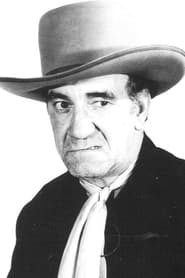
Whiteford specialized in portraying tough, menacing characters with a distinctive physical presence. His acting style was rooted in the silent film tradition of exaggerated gestures and facial expressions, which he successfully adapted to the sound era. He had a natural ability to convey menace and authority without extensive dialogue, making him particularly effective in action sequences and standoffs. Whiteford's performances were characterized by his weathered appearance, gravelly voice, and intimidating presence, which made him ideal for casting as villains, henchmen, or rival cowboys.
Milestones
- Appeared in over 200 films during his career
- Regular supporting actor in John Wayne's early Westerns
- Transitioned successfully from silent films to talkies
- Became
- Worked with major Western stars including Tom Mix and Ken Maynard
Best Known For
Iconic Roles
Must-See Films
Accolades
Special Recognition
- Recognized as one of Hollywood's most prolific character actors of the 1930s
Working Relationships
Worked Often With
Studios
Why They Matter
Impact on Culture
Blackie Whiteford represents the essential backbone of Hollywood's Golden Age - the reliable character actors who brought depth and authenticity to supporting roles. While never achieving stardom himself, Whiteford's menacing presence and consistent performances helped define the visual language of the American Western during its formative years. His work in hundreds of films contributed to the establishment of genre conventions that would influence Western cinema for decades. Whiteford and actors like him created the archetypal villains and henchmen that audiences came to expect in Westerns, helping to establish the clear moral dichotomies that characterized the genre during the 1930s and 1940s.
Lasting Legacy
Blackie Whiteford's legacy lives on through his extensive filmography, which serves as a valuable record of Hollywood's studio system era. His performances, while often uncredited or in minor roles, contributed significantly to the atmosphere and authenticity of classic Western films. Film historians and classic cinema enthusiasts recognize Whiteford as part of the essential ensemble of character actors who made the Golden Age of Hollywood possible. His work continues to be discovered by new generations of film viewers through the preservation and restoration of classic Western films, ensuring that his contributions to cinema history are not forgotten.
Who They Inspired
Whiteford influenced subsequent generations of character actors through his professionalism and versatility in playing various types of antagonists. His ability to create memorable impressions in brief screen time set a standard for supporting players in genre films. The physical presence and menacing demeanor he brought to his roles helped establish templates for Western villains that would be emulated by actors in later decades. His career demonstrates the importance of character actors in creating the supporting performances that define classic Hollywood cinema.
Off Screen
Blackie Whiteford maintained a relatively private personal life despite his extensive film career. He married actress Virginia True Boardman in 1925, and they remained together until her death in 1970, though Whiteford had passed away earlier in 1962. The couple had one child together. Whiteford was known among his colleagues as a reliable professional who always showed up prepared for his roles, regardless of how small the part might be. He lived in Los Angeles for most of his career and was part of the tight-knit community of character actors who worked regularly in Hollywood's studio system.
Education
No formal acting training documented; likely learned through on-the-job experience in early Hollywood
Family
- Virginia True Boardman (1925-1962)
Did You Know?
- Appeared in over 200 films during his 24-year career
- Often worked without screen credit, especially in larger productions
- Was a regular in John Wayne's early Poverty Row Westerns
- His nickname 'Blackie' came from his dark hair and swarthy complexion
- Was
- Worked with virtually every major Western star of his era
- Transitioned to television work in the early 1950s before retiring
- Was known for his willingness to perform his own stunts
- Often played characters named 'Blackie' or similar variations
- His distinctive face made him easily recognizable even in uncredited roles
In Their Own Words
No documented famous quotes; as a character actor, he rarely gave interviews or made public statements
Frequently Asked Questions
Who was Blackie Whiteford?
Prolific American character with credits in this catalog. Born William Whiteford in 1889, he appeared in over 200 films between 1928 and 1952, working with many of the era's biggest Western stars.
What films is Blackie Whiteford best known for?
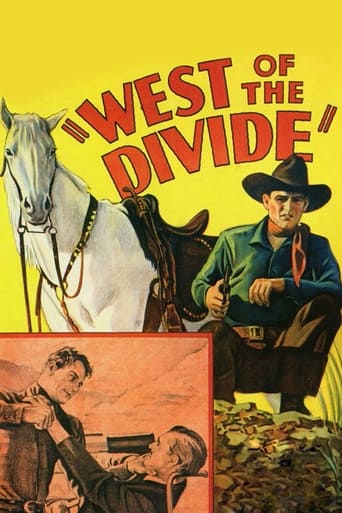
Titles linked here include The Way of the Strong (1928), West of the Divide (1934).
When was Blackie Whiteford born and when did he die?
Born April 1, 1889; died February 21, 1962.
What awards did Blackie Whiteford win?
Blackie Whiteford did not receive any major formal awards during his career, which was typical for character actors of his era. His recognition came through his consistent work and the respect he earned from directors and fellow actors in the Hollywood studio system.
What was Blackie Whiteford's acting style?
Whiteford specialized in portraying menacing characters with a distinctive physical presence, using his weathered appearance and gravelly voice to create effective villains and henchmen. His style was rooted in silent film techniques but successfully adapted to sound, emphasizing physical presence and intimidation over extensive dialogue.
Did Blackie Whiteford work with any famous directors?
Yes, Whiteford worked with several notable directors including John Ford, Robert N. Bradbury, and many others who specialized in Western films. He was particularly valued by directors who needed reliable character actors to populate their Western productions with convincing antagonists.
Was Blackie Whiteford married?
Yes, Blackie Whiteford married actress Virginia True Boardman in 1925, and they remained married until his death in 1962. They had one child together.