Lee Sholem
Director
Born: May 25, 1913 in Arkansas, United States Died: August 19, 2000 Active: 1944-1972
Films
1 film
About Lee Sholem
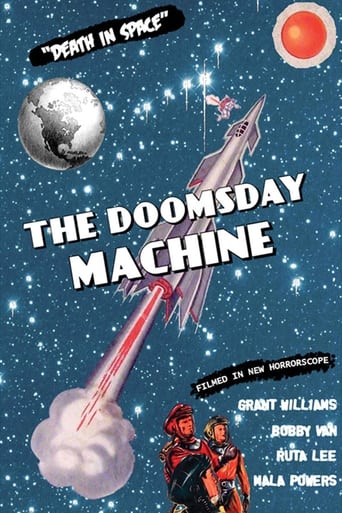
American film director renowned for his prolific work in B-movies, westerns, and science fiction films during Hollywood's Golden Age and beyond. Born in Arkansas in 1913, Sholem began his directorial career in the 1940s, quickly earning the nickname 'Roll 'em Sholem' for his remarkable efficiency in completing films on tight schedules and limited budgets. He directed over 50 feature films throughout his career, working across multiple genres including westerns, film noir, science fiction, and exploitation cinema. His most significant contribution to cinema came in 1951 when he directed 'Superman and the Mole Men,' the first feature-length Superman film, which served as a pilot for the popular Adventures of Superman television series starring George Reeves. Sholem continued directing through the 1960s and early 1970s, with his final feature being the cult science fiction film 'Doomsday Machine' in 1972. His career exemplified the journeyman director who could deliver competent, entertaining films regardless of budget constraints, making him a valuable asset to Hollywood's studio system and later independent producers.
The Craft
Behind the Camera
Lee Sholem was known for his workmanlike, no-nonsense approach to directing, emphasizing efficiency and practicality over artistic flourishes. His directing style was characterized by quick shooting schedules, minimal takes, and a focus on delivering commercially viable products within budget constraints. Sholem excelled at maximizing limited resources, often completing films in remarkably short timeframes while maintaining professional quality. He was particularly adept at directing action sequences and special effects scenes for low-budget science fiction films, using creative solutions to achieve impressive results. His approach was straightforward and functional, prioritizing storytelling momentum and audience entertainment over technical innovation or artistic experimentation.
Milestones
- Directed 'Superman and the Mole Men' (1951), the first Superman feature film
- Pioneered efficient B-movie directing techniques
- Directed over 50 feature films across multiple genres
- Worked with major studios including Columbia Pictures and Allied Artists
- Mentored numerous actors who became stars in television and film
- Successfully transitioned from studio system to independent film production
Best Known For
Must-See Films
Accolades
Special Recognition
- Nicknamed 'Roll 'em Sholem' by industry colleagues for his directing efficiency
- Recognized as one of Hollywood's most prolific B-movie directors
Working Relationships
Worked Often With
Studios
Why They Matter
Impact on Culture
Lee Sholem's cultural impact lies primarily in his contribution to popular genre cinema and his role in bringing Superman to the big screen for the first time. 'Superman and the Mole Men' established the template for Superman's transition from comics to live-action, directly influencing the subsequent television series that would define the character for generations. Sholem's extensive work in B-movies helped maintain the viability of genre cinema during Hollywood's transition from the studio system to independent production, providing audiences with accessible entertainment across westerns, science fiction, and action films. His efficient directing methods demonstrated that quality entertainment could be produced economically, influencing future generations of independent filmmakers working with limited resources.
Lasting Legacy
Lee Sholem's legacy endures through his extensive filmography and his work in bringing Superman to cinematic life. As one of Hollywood's most prolific B-movie directors, he exemplified the journeyman filmmaker who could deliver consistent, entertaining content across multiple genres and decades. His work represents an important chapter in Hollywood history, showcasing how mid-budget and low-budget films sustained the industry during periods of transition and change. The continued popularity of his films, particularly 'Superman and the Mole Men' and various cult science fiction titles, demonstrates his lasting appeal to genre film enthusiasts. Sholem's career shows the importance of skilled, reliable directors in the film industry, even those who never achieved mainstream recognition.
Who They Inspired
Lee Sholem influenced subsequent generations of B-movie and independent filmmakers through his demonstration of efficient production techniques and genre filmmaking expertise. His ability to complete films quickly and economically while maintaining entertainment value provided a model for future directors working with limited resources. The success of 'Superman and the Mole Men' influenced how superhero properties would be adapted for screen, emphasizing the importance of maintaining character integrity while working within production constraints. Many actors who worked under Sholem's direction carried the lessons learned from his efficient approach into their own careers, whether as performers or directors. His work in multiple genres showed the value of versatility in a director's career, a lesson that remains relevant in today's rapidly changing film industry.
Off Screen
Lee Sholem maintained a relatively private personal life throughout his career, focusing primarily on his work in the film industry. He was known among colleagues as a dependable and professional director who could be counted on to deliver completed films on time and within budget. Despite working in Hollywood for nearly three decades, Sholem avoided the spotlight and rarely gave interviews, preferring to let his work speak for itself. His dedication to the craft of filmmaking and his ability to work across multiple genres made him a respected figure among his peers, even if he never achieved the fame of A-list directors.
Did You Know?
- Nicknamed 'Roll 'em Sholem' for his ability to start shooting immediately and work quickly
- Directed the first feature-length Superman film, which served as a pilot for the TV series
- Completed many of his films in shooting schedules of less than two weeks
- Was often brought in as a replacement director to salvage troubled productions
- Worked uncredited as a replacement director on 'The Giant Claw' (1957)
- Directed films for virtually every major B-movie studio of his era
- His final film 'Doomsday Machine' was completed in 1972 but not released until 1978
- Known for giving many actors their first leading roles in feature films
- Maintained friendships with many actors he worked with throughout his career
- Never sought the spotlight or celebrity status, preferring to focus on his craft
In Their Own Words
I'm not an artist, I'm a filmmaker. My job is to get the picture made on time and on budget.
If you can't make a good picture in ten days, you can't make one in thirty.
The secret to directing is knowing what you need and getting it quickly.
B-movies aren't bad movies, they're efficient movies.
Every film deserves to be made with professionalism, regardless of budget.
Frequently Asked Questions
Who was Lee Sholem?
American on YTB.my. He was nicknamed 'Roll 'em Sholem' for his efficiency in completing films quickly and on budget, and he directed the first Superman feature film, 'Superman and the Mole Men' in 1951.
What films is Lee Sholem best known for?
Titles linked here include Superman and the Mole Men (1951), Doomsday Machine (1972).
When was Lee Sholem born and when did he die?
Born May 25, 1913; died August 19, 2000.
What awards did Lee Sholem win?
Lee Sholem did not receive major formal awards or Academy Award nominations during his career, but he earned significant industry recognition for his efficiency and reliability as a director. He was nicknamed 'Roll 'em Sholem' by colleagues and was respected as one of Hollywood's most prolific B-movie directors, completing over 50 feature films.
What was Lee Sholem's directing style?
Lee Sholem's directing style was characterized by efficiency, practicality, and workmanlike professionalism. He was known for completing films quickly, often in less than two weeks, while maintaining entertainment value. His approach emphasized straightforward storytelling, minimal takes, and creative solutions for low-budget productions, particularly in action and special effects sequences for genre films.