
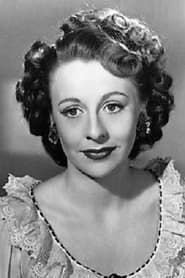
Jane Hylton
Actor
Born: July 16, 1926 in Dover, Kent, England Died: February 28, 1979 Active: 1946-1979 Birth Name: Audrey Gwendolene Clark
Films
1 film
About Jane Hylton
Jane Hylton, born Audrey Gwendolene Clark, was a British actress whose over three decades in British cinema and television. She began her acting career in the mid-1940s, quickly establishing herself as a versatile character actress in British films. Throughout the 1950s, she appeared in numerous productions, including the notable horror film The Manster (1959), which became one of her most recognized international roles. Her career extended into the 1960s and 1970s with appearances in popular British television series such as The Avengers, The Saint, and Dixon of Dock Green. Hylton was particularly adept at playing strong-willed, often sophisticated women who could handle both dramatic and comedic material. Her marriage to fellow actor Duncan Lamont created one of British cinema's notable acting partnerships. Despite never achieving major stardom, she maintained a steady and respected career as a reliable character actress until her death in 1979 at the age of 52.
The Craft
On Screen
Jane Hylton was known for her naturalistic acting style and ability to portray strong, independent women with depth and authenticity. She brought a sophisticated elegance to her roles, whether playing upper-class ladies or working-class characters. Her performances were marked by a subtle emotional range and a distinctive screen presence that made her memorable even in supporting roles. Hylton had a particular talent for conveying complex emotions through minimal gestures and facial expressions, a skill that served her well in both dramatic and comedic contexts.
Milestones
- Film debut in 'Holiday Camp' (1947)
- Breakthrough role in 'Good-Time Girl' (1948)
- International recognition from 'The Manster' (1959)
- Extensive television work in the 1960s and 1970s
- Marriage to fellow actor Duncan Lamont in 1952
Best Known For
Iconic Roles
Must-See Films
Working Relationships
Worked Often With
Studios
Why They Matter
Impact on Culture
Jane Hylton contributed significantly to British cinema's golden era, particularly in the post-war period when British films were gaining international recognition. Her role in 'The Manster' helped introduce British talent to American horror film audiences, and her work in various social realist films of the 1950s reflected the changing social landscape of Britain. Through her numerous television appearances, she became a familiar face to British households during the formative years of British television, helping to establish the medium as a legitimate platform for serious dramatic work.
Lasting Legacy
Jane Hylton's legacy lies in her body of work that represents the transition of British entertainment from cinema-dominated to television-inclusive media. She exemplified the journey of many British character actors who successfully adapted to the changing entertainment landscape of the mid-20th century. Her performances in films like 'The Manster' have gained cult status among horror film enthusiasts, while her extensive television work preserved her performances for future generations. She represents the unsung heroes of British cinema - reliable, talented actors who provided essential support to leading players while maintaining their own distinctive presence.
Who They Inspired
While not a major star who influenced acting techniques on a broad scale, Jane Hylton influenced younger British actors through her example of professionalism and versatility. Her ability to transition successfully between film and television during a period of massive industry change provided a model for subsequent generations of British actors. Her naturalistic acting style contributed to the movement away from theatrical acting toward more realistic performances in British cinema and television.
Off Screen
Jane Hylton married actor Duncan Lamont in 1952, and their marriage lasted until Lamont's death in 1978. The couple had one child together, a daughter named Sarah. Their marriage was considered one of the more stable relationships in British show business during that era. Hylton was known to be a private person who kept her personal life away from the public eye, focusing primarily on her craft. Her husband Duncan Lamont was also a well-known character actor, appearing in films such as 'The Great Escape' and '2001: A Space Odyssey'.
Education
Limited information available about her formal education; likely received acting training in London during the 1940s
Family
- Duncan Lamont (1952-1978)
Did You Know?
- Her stage name 'Jane Hylton' was chosen by her agent, combining a common first name with a surname inspired by the American town of Hylton.
- She appeared in over 50 films and television productions during her career.
- The Manster (1959) was a Japanese-American co-production, making it one of her few international film appearances.
- She was part of the ensemble cast in 'Holiday Camp' (1947), which spawned a successful film series.
- Despite her extensive career, she never received major award recognition, typical of many British character actors of her era.
- Her husband Duncan Lamont appeared with her in several productions throughout their marriage.
- She was particularly popular in the 1950s for playing sophisticated, often slightly mysterious women.
- Her death occurred just one year after her husband's, leaving their daughter Sarah orphaned as a teenager.
- Many of her television performances were wiped or destroyed, a common practice in early British television.
- She worked with some of Britain's most respected directors, including Val Guest and Ken Hughes.
In Their Own Words
No documented famous quotes are available from Jane Hylton, as she was known primarily for her acting rather than public speaking or interviews.
Frequently Asked Questions
Who was Jane Hylton?
British actress born Audrey Gwendolene Clark who had a prolific career spanning three decades in British cinema and television from the 1940s to the 1970s. She was known for her versatile character roles and appeared in over 50 productions, including the cult horror film The Manster (1959).
What films is Jane Hylton best known for?
Titles linked here include Holiday Camp (1947), Good-Time Girl (1948).
When was Jane Hylton born and when did she die?
Born July 16, 1926; died February 28, 1979.
What awards did Jane Hylton win?
Jane Hylton did not receive major formal awards or nominations during her career, which was typical for many British character actors of her era who worked consistently but rarely received industry recognition despite their significant contributions.
What was Jane Hylton's acting style?
Jane Hylton was known for her naturalistic acting style and ability to portray strong, independent women with depth and authenticity. She brought sophistication to her roles and had a talent for conveying complex emotions through subtle gestures and minimal expressions, making her effective in both dramatic and comedic contexts.