Films
4 films
About Alfred E. Green
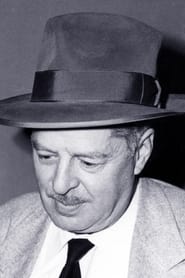
American film director: career bridged the silent era, the transition to sound, and the early years of mid-century Hollywood. Best known for directing a remarkably wide range of pictures, he worked in comedy, melodrama, romance, crime, and prestige studio productions, demonstrating a flexible craftsmanship that made him a reliable director across changing studio systems. He began directing in the silent period and remained active for three decades, with notable credits including The Man Who Had Everything, Through the Back Door, Ella Cinders, and the influential biographical drama The Jackie Robinson Story. Green also had a small acting credit in Ella Cinders, but his principal importance lies behind the camera rather than in front of it. His career is especially significant as an example of the studio-era director who could handle both lightweight entertainment and socially resonant material without losing commercial appeal. He is remembered today as a solid, professional filmmaker whose work helped define mainstream American cinema in the 1920s through the 1950s.
The Craft
On Screen
As an actor, Alfred E. Green is not known for a substantial on-screen persona, since his public importance came primarily from directing rather than performing. His acting appearance in Ella Cinders was incidental to his larger behind-the-camera career, and there is no substantial body of evidence suggesting a distinctive acting style. He is therefore remembered as a director who briefly appeared in front of the camera rather than as a character actor with a major screen identity.
Behind the Camera
Green's directing style was typically efficient, clear, and studio-oriented, favoring clean storytelling and dependable pacing over flashy authorial mannerism. He proved adaptable across genres, which suggests a practical director's instinct for shaping performances and maintaining audience engagement within the production norms of the silent and early sound eras. In comedy and light drama he worked with timing and visual clarity, while in a film like The Jackie Robinson Story he demonstrated an ability to handle biographical material with straightforward, accessible seriousness. His body of work reflects the professionalism valued by the classical studio system: dependable narrative construction, actor-centered scenes, and polished mainstream presentation.
Milestones
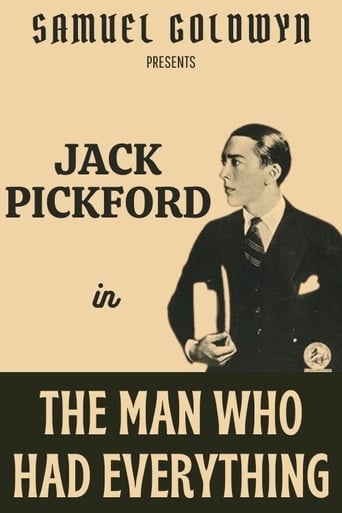
- Directed the silent comedy-drama The Man Who Had Everything (1920), an early feature in his directing career
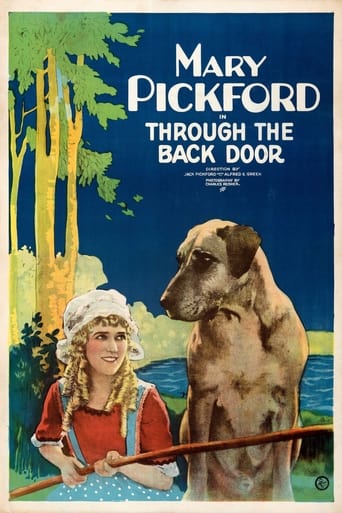
- Directed Through The Back Door (1921), further establishing himself during the silent era
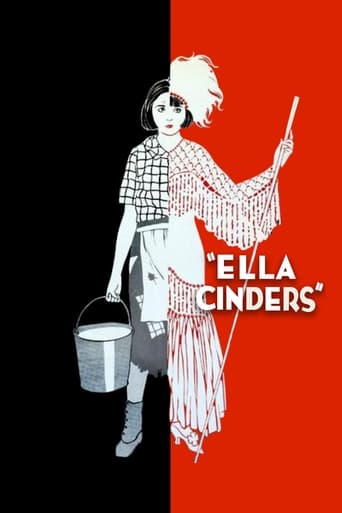
- Directed the popular silent-era comedy Ella Cinders (1926), one of his best-known early films
- Worked successfully through the transition from silent films to sound pictures, maintaining steady studio employment
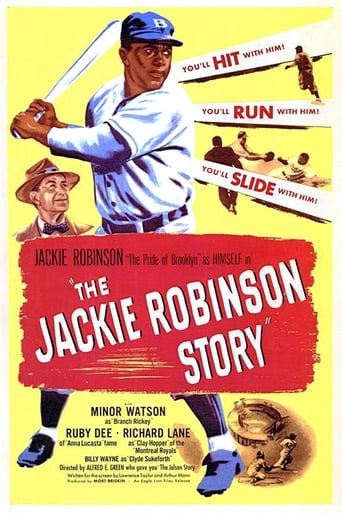
- Directed The Jackie Robinson Story (1950), an important biographical film about the baseball star Jackie Robinson
- Built a long career as a versatile studio director capable of handling both light entertainment and serious subject matter
- Credited with one acting appearance in Ella Cinders, in addition to his directing work
Best Known For
Iconic Roles
Must-See Films
Working Relationships
Studios
Why They Matter
Impact on Culture
Alfred E. Green's cultural impact lies less in celebrity than in the steady shaping of mainstream American film language during the studio era. By directing films across several decades, he contributed to the continuity of Hollywood storytelling from silent comedy and melodrama into sound-era biography and drama. His work on The Jackie Robinson Story is particularly notable because it helped bring the life of a Black athlete to a wide popular audience during a period when mainstream Hollywood rarely centered such narratives. Even where his name is not among the most famous directors of the period, his films form part of the fabric of classical Hollywood cinema and reflect the professionalism that kept the industry functioning at a high level.
Lasting Legacy
Green's legacy is that of a dependable and versatile studio director whose active years covered some of the most important transitions in film history. He is remembered by film historians for maintaining a long, adaptable career from the silent era into the postwar period, and for directing a range of films that illustrate the industrial strengths of Hollywood's classical system. The Jackie Robinson Story gives him a special place in sports and biographical film history, while Ella Cinders preserves him in the memory of silent-comedy fans. His work demonstrates how many essential Hollywood craftsmen contributed to the medium's growth without necessarily becoming household names.
Who They Inspired
Green influenced the broader craft tradition of studio filmmaking more than he influenced a single identifiable school or movement. His career exemplifies the kind of director who could be trusted by studios to deliver coherent, audience-friendly films across changing tastes and technologies. Later filmmakers studying classical Hollywood production can see in his work an example of narrative efficiency, genre adaptability, and the disciplined professionalism that underpinned the studio era. While he was not a major stylistic innovator in the auteur sense, his films helped normalize the standards of polished mainstream direction.
Off Screen
Publicly available biographical information on Alfred E. Green's private life is limited in standard reference sources, and he is chiefly documented through his film career rather than through a heavily publicized personal biography. No widely cited details about marriages, children, or family life are readily established from the information currently available. Like many studio-era directors, he appears in the historical record mostly through production credits, trade references, and filmographies rather than personal publicity. Because of that, much of his private life remains obscure compared with his professional output.
Did You Know?
- Alfred E. Green is often listed primarily as a director, but he also has a small acting credit in Ella Cinders (1926).
- His career began in the silent era and extended all the way to 1950, allowing him to work across one of the broadest transitional spans in Hollywood history.
- Ella Cinders is one of the best-remembered titles associated with his early career.
- The Jackie Robinson Story stands out as a historically significant biographical film in his filmography.
- He is an example of a classic Hollywood craftsman whose work is more familiar through film history than through public celebrity.
- His filmography shows a director comfortable with both light comedy and serious biography.
- Reference sources often provide more about his films than about his personal life, which remains comparatively obscure.
Frequently Asked Questions
Who was Alfred E. Green?
American on YTB.my. He directed a wide range of studio pictures and is especially remembered for Ella Cinders and The Jackie Robinson Story.
What films is Alfred E. Green best known for?
Titles linked here include Ella Cinders (1926), The Jackie Robinson Story (1950).
When was Alfred E. Green born and when did he die?
Reliable birth and death details are not readily established in the available reference material used here, so they are listed as unavailable. His documented film activity spans roughly from 1920 to 1950.
What awards did Alfred E. Green win?
No major awards or formal nominations are prominently documented for Alfred E. Green in the standard classic-cinema record. His reputation rests more on his body of work and historical significance than on awards recognition.
What was Alfred E. Green's directing style?
He was a practical, versatile studio director known for clear storytelling and efficient pacing. His work suggests a craftsman’s approach rather than a flamboyant visual signature, with an ability to handle comedy, drama, and biography effectively.
Did Alfred E. Green also act in films?
Yes, but only minimally in the available record. He is credited with an acting appearance in Ella Cinders, although he is primarily remembered as a director.
What is Alfred E. Green's legacy in film history?
His legacy is that of a dependable classical Hollywood director whose active years covered major changes in film style and technology. He is especially notable for contributing to both silent-era entertainment and an early film about Jackie Robinson, linking him to several important chapters in American cinema.