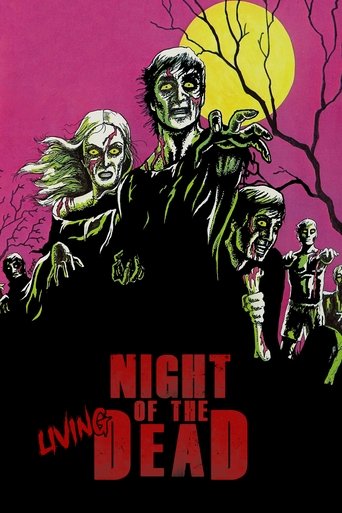

Duane Jones
Actor
Born: February 2, 1937 in New York City, New York, USA Died: July 22, 1988 Active: 1968-1988 Birth Name: Duane L. Jones
Films
1 film
About Duane Jones
American actor, director, and educator best known for his role as Ben in George A. Romero's 'Night of the Living Dead' (1968). Born in New York City in 1937, Jones broke racial barriers by portraying the first African American lead in a horror film and one of the first Black protagonists in American cinema who wasn't defined by racial stereotypes. After his film role, Jones focused on theater and education, becoming the artistic director of the Magda Rivera Players and later teaching acting at the American Academy of Dramatic Arts. He also directed several theatrical productions and appeared in other films including 'Ganja & Hess' (1973) and 'Beat Street' (1984). Jones was highly educated, holding degrees from the University of Paris and Columbia University, and he used his platform to advocate for better representation of African Americans in media. His performance in 'Night of the Living Dead' became for its dignity and complexity, challenging Hollywood's racial conventions of the era. Jones continued to act and teach until his death in 1988, leaving behind a legacy as both a performer and dedicated educator.
The Craft
On Screen
Jones was known for his naturalistic, grounded acting style that brought intelligence and dignity to his roles. His approach was methodical and intellectual, drawing from his extensive academic background in literature and theater. In 'Night of the Living Dead,' he portrayed Ben with remarkable restraint and authority, avoiding the stereotypical portrayals common for Black actors at the time. His performance was characterized by subtle emotional depth and a commanding presence that elevated the horror genre beyond its typical conventions.
Milestones
- Starred as Ben in 'Night of the Living Dead' (1968)
- Became artistic director of Magda Rivera Players
- Taught at American Academy of Dramatic Arts
- Directed theatrical productions
- Advocated for African American representation in media
- Appeared in 'Ganja & Hess' (1973)
- Co-founded the Afro-American Studio for Acting and Speech
Best Known For
Iconic Roles
Must-See Films
Accolades
Won
- Inducted into the Horror Hall of Fame (1989, posthumous)
- Lifetime Achievement Award from the Black Horror Movie Hall of Fame
Nominated
- Saturn Award nomination for Best Actor (1974) for 'Ganja & Hess'
Special Recognition
- Honored at the 50th anniversary of 'Night of the Living Dead' at the Museum of Modern Art
- Retrospective at the American Film Institute
- Recognized by the Library of Congress for 'Night of the Living Dead' cultural significance
Working Relationships
Worked Often With
Studios
Why They Matter
Impact on Culture
Duane Jones's performance in 'Night of the Living Dead' revolutionized American cinema by presenting a Black character as the competent, intelligent protagonist without making his race the central focus of the character. This was unprecedented in 1968, during the height of the Civil Rights Movement, and challenged Hollywood's systemic racism and stereotypical casting practices. His portrayal of Ben as a natural leader who survives through intelligence and resourcefulness rather than racial tropes helped pave the way for more complex Black characters in mainstream cinema. The film's ending, where Ben is mistakenly shot by white rescuers, served as a powerful allegory for racial injustice in America, making the horror film a vehicle for social commentary that resonated far beyond the genre.
Lasting Legacy
Jones's legacy extends far beyond his single iconic film role. He is remembered as a trailblazer who opened doors for African American actors in horror and mainstream cinema. His commitment to education and theater helped nurture future generations of performers, while his dignified portrayal of Ben remains a touchstone for discussions about race in American film. The character of Ben has been referenced and homaged in countless horror films and television shows, cementing Jones's place in cinema history. His work continues to be studied in film schools for its cultural significance and artistic merit, and he is celebrated as both an actor and a dedicated educator who used his art to advance social progress.
Who They Inspired
Jones influenced countless actors and filmmakers, particularly in the horror genre, by demonstrating that Black characters could be complex protagonists rather than sidekicks or victims. His naturalistic acting style and refusal to play into stereotypes inspired actors like Tony Todd ('Candyman'), Ken Foree ('Dawn of the Dead'), and Duane Martin. Directors such as Jordan Peele and Spike Lee have cited Jones's performance as an influence on their approach to Black representation in horror films. His work helped establish the foundation for the Black horror renaissance of the 21st century, with filmmakers explicitly referencing his groundbreaking performance as inspiration for their own projects exploring race through the horror lens.
Off Screen
Jones was known for being intensely private about his personal life, focusing public attention on his work and educational pursuits. He was married and had children, though he kept details about his family life largely out of the public eye. Despite his groundbreaking film role, Jones remained committed to theater and education throughout his career, viewing acting as both an art form and a tool for social change. He was deeply involved in civil rights issues and used his platform to advocate for better opportunities for African Americans in the entertainment industry.
Education
Bachelor's degree from the University of Paris, Master's degree from Columbia University in dramatic literature and speech, Studied at Boston University and the Sorbonne
Family
- Unknown (private)
Did You Know?
- Was the first African American actor to star in a leading role in a horror film
- Initially turned down the role of Ben in 'Night of the Living Dead'
- Was a highly educated actor with degrees from prestigious universities
- Taught at the American Academy of Dramatic Arts for many years
- Co-founded the Afro-American Studio for Acting and Speech
- His salary for 'Night of the Living Dead' was only $500
- The film's success earned him no royalties due to copyright issues
- — classically trained Shakespearean actor
- Spoke fluent French from his studies in Paris
- Died of heart failure at age 51
- His performance was not initially appreciated but gained recognition in later years
- Was considered for the role of Lando Calrissian in 'The Empire Strikes Back'
In Their Own Words
I never thought of myself as a Black actor. I thought of myself as an actor.
The fact that I was a Black actor was incidental to the character.
Horror is a perfect vehicle for social commentary because it allows us to explore our deepest fears.
I wanted to play Ben as a man, not as a Black man.
Theater was my first love, film was just something that happened along the way.
Frequently Asked Questions
Who was Duane Jones?
American actor, on YTB.my.' He was the first African American actor to star as the protagonist in a major horror film, breaking significant racial barriers in Hollywood.
What films is Duane Jones best known for?
Titles linked here include Night of the Living Dead (1968), Ganja & Hess (1973).
When was Duane Jones born and when did he die?
Born February 2, 1937; died July 22, 1988.
What awards did Duane Jones win?
Jones received posthumous recognition including induction into the Horror Hall of Fame in 1989 and a Lifetime Achievement Award from the Black Horror Movie Hall of Fame. He was also nominated for a Saturn Award for Best Actor for 'Ganja & Hess' in 1974.
What was Duane Jones's acting style?
Jones was known for his naturalistic, dignified acting style that brought intelligence and restraint to his roles. He approached acting methodically, drawing from his extensive academic background in literature and theater, and refused to play into racial stereotypes that were common for Black actors of his era.
How did Duane Jones impact cinema?
Jones revolutionized cinema by portraying the first Black protagonist in a horror film who wasn't defined by racial stereotypes. His performance in 'Night of the Living Dead' opened doors for African American actors in all genres and demonstrated that Black characters could be complex, intelligent leads in mainstream films.
Did Duane Jones receive royalties from Night of the Living Dead?
No, Jones did not receive any royalties from 'Night of the Living Dead' due to the film's copyright issues. The original title card was accidentally removed during editing, placing the film in the public domain, which meant none of the cast or crew received ongoing compensation despite the movie's massive success.