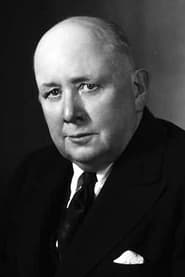
J. C. Nugent
Actor
Born: April 6, 1868 in Niles, Ohio, USA Died: April 21, 1947 Active: 1900-1947 Birth Name: John Charles Nugent
Films
3 films

About J. C. Nugent
John Charles Nugent, professionally known as J. C. Nugent, was a prolific American actor, playwright, and screenwriter whose the transition from vaudeville to the Golden Age of Hollywood. Born in Niles, Ohio, in 1868, he began his journey in entertainment by running away with a traveling repertory company at the age of 16, eventually becoming a staple of the vaudeville circuit with his signature monologues. By the 1920s, he had established himself as a significant force on Broadway, often collaborating with his son, Elliott Nugent, on successful plays like 'Kempy' (1922) and 'The Poor Nut' (1925). His transition to film in the late 1920s saw him become a reliable character actor for major studios like MGM, where he frequently played paternal or authoritative figures. Nugent was not only a performer but also a skilled writer, contributing to the screenplays of notable early talkies such as the 1930 remake of 'The Unholy Three'. He remained active in both theater and film until his death in 1947, leaving behind a legacy as a versatile storyteller who mastered multiple facets of the performing arts.
The Craft
On Screen
Nugent was known for a naturalistic and witty acting style, honed through years of performing monologues in vaudeville. He specialized in playing 'everyman' paternal figures, often bringing a blend of dry humor and warmth to his roles. His ability to deliver rapid-fire dialogue made him particularly well-suited for the early talkie era of the 1930s.
Milestones
- Broadway debut in the hit comedy 'Kempy' (1922), which he also co-wrote
- Transitioned to Hollywood as a character actor and screenwriter during the early sound era (1929)
- Co-wrote the screenplay for the sound remake of 'The Unholy Three' (1930) starring Lon Chaney
- Portrayed the father of Janet Gaynor's character in the original 'A Star Is Born' (1937)
- Billed as 'Vaudeville's Most Talked-About Line of Talk' during his peak years on the circuit
- Appeared in over 20 films and more than 22 Broadway productions throughout his career
Best Known For
Iconic Roles
Must-See Films
Accolades
Special Recognition
- Recognized as a veteran of the 'White Rats' vaudeville union strike of 1906
- Critically acclaimed by Dorothy Parker for his Broadway work in 'Kempy'
Working Relationships
Worked Often With
Studios
Why They Matter
Impact on Culture
J. C. Nugent represented the bridge between the 19th-century tradition of traveling repertory theater and the modern 20th-century industries of Broadway and Hollywood. His success as a 'hyphenate' talent—acting, writing, and directing—paved the way for future artists to maintain creative control over their work. His vaudeville monologues were influential in shaping the 'line of talk' style of comedy that became a precursor to modern stand-up.
Lasting Legacy
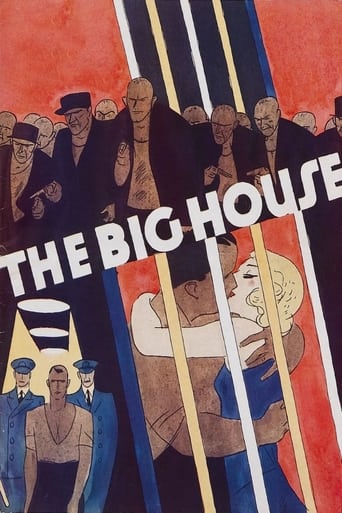
Nugent is remembered as a cornerstone of the Nugent theatrical dynasty. His contributions to the early sound era of cinema, particularly his screenwriting for 'The Unholy Three' and his character work in 'The Big House', remain significant examples of the transition from silent to talking pictures. His plays, particularly 'Kempy', were considered benchmarks of American domestic comedy in the 1920s.
Who They Inspired
He influenced a generation of comedic writers and performers through his precise timing and his ability to craft relatable, middle-class American characters. His son Elliott Nugent, who went on to direct major stars like Bob Hope, credited much of his professional foundation to his father's mentorship.
Off Screen
J. C. Nugent was deeply rooted in a theatrical family. He was married to Grace Mary Fertig, who was also his long-time acting partner in vaudeville until her death in 1930. He was the father of the famous actor, director, and playwright Elliott Nugent, with whom he shared a lifelong professional partnership. His daughter, Ruth Elizabeth Nugent, was also an actress, and he was the father-in-law of actor Alan Bunce.
Education
Attended Reeves University
Family
- Grace Mary Fertig (1883-1930)
Did You Know?
- He ran away from home at 16 to join a traveling theater troupe.
- He was a member of the White Rats, one of the first labor unions for vaudeville performers.
- His Broadway play 'Kempy' was so successful it was revived multiple times and turned into a film titled 'Wise Girls' (1929).
- He was known in vaudeville circles as 'Vaudeville's Most Talked-About Line of Talk'.
- He appeared in the original 1937 'A Star Is Born', playing the father of the main character, Esther Blodgett.
- His last Broadway appearance was in 'The Playboy of the Western World' alongside Julie Harris and Burgess Meredith.
- He co-authored the screenplay for Lon Chaney's only talkie, 'The Unholy Three'.
In Their Own Words
Regarding his early career: 'A Texas farm kid, I ran off with a travelling repertory company at age 16, barnstorming the country in melodramas and comedies.'
On his vaudeville style: 'The secret is in the line of talk; if you can keep them listening, you can keep them laughing.'
Frequently Asked Questions
Who was J. C. Nugent?
J. C. Nugent — credits here include The Big House (1930), A Star Is Born (1937). Active 1900-1947.
What films is J. C. Nugent best known for?
Titles linked here include The Big House (1930), A Star Is Born (1937).
When was J. C. Nugent born and when did he die?
Born April 6, 1868; died April 21, 1947.
Did J. C. Nugent have a famous family?
Yes, he was the father of Elliott Nugent, a well-known Hollywood director and actor, and they frequently collaborated on plays and screenplays throughout their careers.
What was J. C. Nugent's acting style?
Nugent was celebrated for his naturalistic delivery and sharp comedic timing, often playing relatable, witty father figures or authoritative characters with a dry sense of humor.