Films
1 film
About Georg H. Schnell
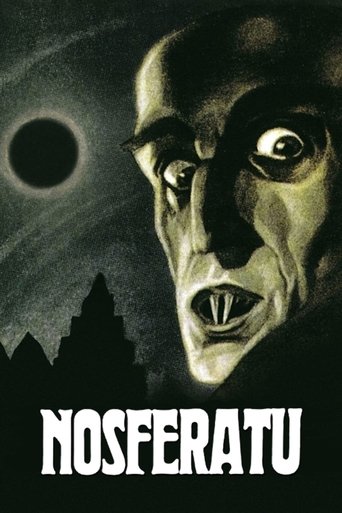
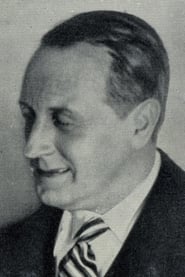
German actor during the silent film era, best remembered for his role as Harding in F.W. Murnau's horror masterpiece 'Nosferatu' (1922). As a character actor in Germany's vibrant Expressionist film movement, Schnell contributed to one of cinema's most influential early horror films. His portrayal of Harding, one of the prominent citizens of the fictional town of Wisborg, placed him within the ensemble cast that brought this unauthorized adaptation of Bram Stoker's 'Dracula' to life. Schnell's performance exemplified the exaggerated, theatrical style characteristic of German Expressionist cinema, with its emphasis on psychological horror and visual symbolism. While 'Nosferatu' appears to be his only major surviving film credit, his participation in this landmark production has ensured his place in film history. Georg H. Schnell's work reflected the artistic innovation and technical experimentation that defined German cinema during the Weimar Republic period.
The Craft
On Screen
German Expressionist style characterized by exaggerated gestures, dramatic facial expressions, and theatrical delivery typical of silent film era actors in Germany
Milestones
- Appeared in F.W. Murnau's 'Nosferatu' (1922)
- Participated in German Expressionist film movement
- Contributed to one of cinema's earliest and most influential horror films
Best Known For
Iconic Roles
Must-See Films
Working Relationships
Worked Often With
Studios
Why They Matter
Impact on Culture
Georg H. Schnell's contribution to 'Nosferatu' places him within the foundation of horror cinema history. The film itself revolutionized the genre with its innovative use of shadow, atmosphere, and psychological terror, influencing countless horror films that followed. As part of this landmark production, Schnell participated in creating what many consider the first true vampire film and a masterpiece of German Expressionism. The film's visual style and thematic elements continue to influence horror cinema more than a century later, making Schnell's role, however small, part of an enduring cultural legacy.
Lasting Legacy
Georg H. Schnell's legacy is intrinsically tied to 'Nosferatu,' ensuring his name appears in film history books and horror cinema discussions. While he may not have achieved widespread fame during his lifetime, his participation in one of cinema's most influential early horror films has granted him a form of immortality. The film's preservation and continued study by film scholars means that Schnell's work continues to be analyzed and appreciated by new generations of cinema enthusiasts.
Who They Inspired
As a supporting actor in a groundbreaking film, Georg H. Schnell's direct influence on other performers is difficult to trace. However, his participation in 'Nosferatu' contributed to the film's overall impact on the horror genre and German Expressionist cinema, which in turn influenced countless actors and filmmakers who followed. The film's success demonstrated the power of atmospheric horror and psychological terror, elements that would become staples of the genre.
Off Screen
Very little is documented about Georg H. Schnell's personal life, as was common for many supporting actors of the silent era who did not achieve major stardom.
Did You Know?
- 'Nosferatu' was an unauthorized adaptation of Bram Stoker's 'Dracula', leading to a lawsuit by Stoker's widow that nearly resulted in all copies being destroyed
- The production company Prana Film went bankrupt after the lawsuit, making 'Nosferatu' their only production
- Georg H. Schnell played Harding, a prominent citizen of Wisborg who falls victim to the vampire's influence
- The film was shot on location in Wismar, Lübeck, and the Carpathian Mountains, unusual for the time
- Max Schreck, who played Count Orlok, was so convincing in his vampire makeup that rumors circulated he was actually a real vampire
- 'Nosferatu' pioneered many horror film techniques still used today, including the use of shadows to suggest evil presence
- The film's negative was preserved when a copy was sent to America before the destruction order, saving it from being lost forever
- German Expressionism emphasized psychological states through distorted sets and dramatic lighting rather than realistic settings
- The character Harding represents the rational, bourgeois world threatened by the supernatural evil of the vampire
- Despite being over 100 years old, 'Nosferatu' continues to be referenced and parodied in modern media
Frequently Asked Questions
Who was Georg H. Schnell?
German with credits in this catalog.W. Murnau's classic 1922 horror film 'Nosferatu.' He was a character actor during the German Expressionist movement of the 1920s.
What films is Georg H. Schnell best known for?
Titles linked here include Nosferatu (1922).
When was Georg H. Schnell born and when did he die?
Unfortunately, specific birth and death dates for Georg H. Schnell are not well documented, which was common for many supporting actors of the silent era who did not achieve major stardom.
What awards did Georg H. Schnell win?
There are no recorded awards or honors specifically for Georg H. Schnell, as was typical for many character actors of his era whose contributions have been recognized more in film history than through formal accolades.
What was Georg H. Schnell's acting style?
Schnell employed the German Expressionist acting style characterized by exaggerated gestures and dramatic facial expressions typical of silent films. This theatrical approach emphasized psychological states and emotions to compensate for the absence of dialogue.
How is Georg H. Schnell connected to horror cinema history?
Through his role in 'Nosferatu,' Schnell participated in creating what many consider the first true vampire film and a foundational work of horror cinema. The film pioneered techniques and themes that continue to influence the horror genre more than a century later.