Films
2 films
About Gustav Botz
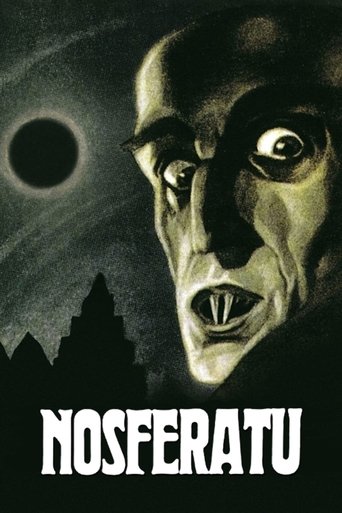
The 1922 film Nosferatu is the only title linked here for Gustav Botz. Murnau's horror classic Nosferatu (1922). In this film, he played the role of the innkeeper, one of the first characters to encounter the sinister Count Orlok upon his arrival in Wisborg. Botz's performance, though brief, contributed to the film's atmosphere of dread and foreboding that made Nosferatu a landmark in cinematic horror. Like many character actors of the early German cinema, Botz was part of the vibrant film scene in Weimar Republic Germany, which produced some of the most influential films of the silent era. His career appears to have been concentrated around the early 1920s, coinciding with the peak of German Expressionist cinema. Despite the limited documentation of his career, his contribution to one of cinema's most important horror films has ensured his place in film history.
The Craft
On Screen
As a character actor in German Expressionist cinema, Botz likely employed the exaggerated gestures and dramatic facial expressions typical of silent film acting, designed to convey emotion and meaning without dialogue
Milestones
- Appeared in F.W. Murnau's Nosferatu (1922)
- Part of German Expressionist cinema movement
Best Known For
Iconic Roles
Must-See Films
Working Relationships
Worked Often With
Studios
Why They Matter
Impact on Culture
Gustav Botz's contribution to cinema, though limited in scope, is part of the lasting legacy of Nosferatu,. His role as the innkeeper represents the everyman character who first senses the supernatural evil that has arrived in his town, serving as an audience surrogate in the film's narrative structure. The film itself was nearly lost due to copyright infringement lawsuits but survived to become a cornerstone of horror cinema and German Expressionist film.
Lasting Legacy
Gustav Botz's legacy is intrinsically tied to Nosferatu's enduring influence on horror cinema. While he may not have been a major star, his participation in this landmark film ensures his place in film history. The film's survival and continued study by film scholars means that even minor contributors like Botz are remembered as part of one of cinema's most important achievements.
Who They Inspired
As a supporting actor in a seminal work of horror cinema, Botz's performance contributed to the template for how ordinary characters react to supernatural threats in horror films. The innkeeper character archetype he portrayed has been echoed in countless horror films since, serving as the first witness to supernatural events who warns others but is often not believed.
Off Screen
Very little is documented about Gustav Botz's personal life, which was common for many supporting actors of the silent era who were not major stars. Like many character actors of his time, he likely worked in theater before transitioning to film, as was the typical career path for German actors in the early 1920s.
Did You Know?
- Nosferatu was produced by Prana Film, a company that went bankrupt after only producing this one film due to copyright infringement lawsuits from Bram Stoker's estate
- Botz's role as the innkeeper is one of the first characters to visually react to Count Orlok's terrifying presence
- The film was nearly destroyed when all copies were ordered to be burned, but some prints survived and were restored
- Botz was part of the golden age of German cinema (1919-1933) which produced many influential films and directors
- Nosferatu was an unauthorized adaptation of Bram Stoker's Dracula, with character names changed to avoid copyright issues
- The film's expressionist style influenced the visual language of horror films for decades
- Botz worked alongside Max Schreck, whose portrayal of Count Orlok remains one of cinema's most iconic vampire performances
Frequently Asked Questions
Who was Gustav Botz?
German with credits in this catalog.W. Murnau's classic horror film Nosferatu (1922). He was a character actor who appeared during the peak of German Expressionist cinema.
What films is Gustav Botz best known for?
Titles linked here include Nosferatu (1922).
When was Gustav Botz born and when did he die?
Unfortunately, detailed biographical information about Gustav Botz's birth and death dates is not available in historical records, which was common for many supporting actors of the silent era who were not major stars.
What awards did Gustav Botz win?
Gustav Botz did not receive any documented awards or nominations for his work. During the early 1920s, the film award system was not as established as it would become later in cinema history.
What was Gustav Botz's acting style?
As an actor in German Expressionist cinema, Botz likely employed the dramatic, exaggerated style typical of silent film acting, using broad gestures and facial expressions to convey emotion without dialogue, which was characteristic of the acting techniques of that era.