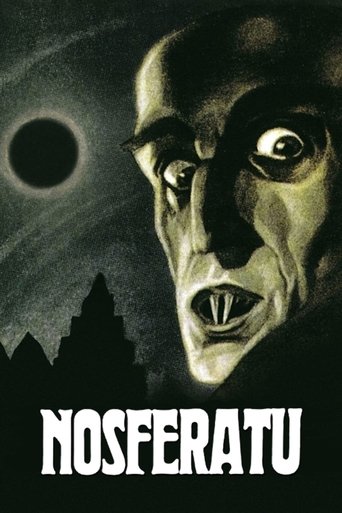
Films
2 films

About Max Nemetz
German character actor from the silent film era who achieved immortality through his brief but memorable role as the ship's captain in F.W. Murnau's masterpiece 'Nosferatu' (1922). His character was responsible for transporting Count Orlok from Transylvania to Wisborg, a journey that would unleash terror upon the city. Though his screen time was limited, Nemetz delivered a powerful performance that captured the mounting horror and desperation of a man trapped aboard a vessel with an undead passenger. His portrayal of the captain's discovery of the vampire and subsequent demise became one of the film's most chilling sequences. Unfortunately, very little is documented about Nemetz's broader career or life outside this role, suggesting he may have been primarily a theater actor or had an extremely brief film career. Despite the scarcity of biographical information, his contribution to one of cinema's most influential horror films has secured his place in film history.
The Craft
On Screen
Nemetz demonstrated the expressive, physical acting style typical of silent film performers, using exaggerated gestures and facial expressions to convey terror and desperation without dialogue. His performance in Nosferatu showcased the ability to communicate mounting horror through body language and wild-eyed expressions, a technique essential for horror actors in the silent era.
Milestones
- Portrayed the ship's captain in F.W. Murnau's 'Nosferatu' (1922)
- Delivered
Best Known For
Iconic Roles
Must-See Films
Working Relationships
Worked Often With
Studios
Why They Matter
Impact on Culture
Max Nemetz's performance in 'Nosferatu' has become an integral part of horror cinema history, contributing to what many consider the first true vampire film. His portrayal of the doomed ship's captain created a template for the 'harbinger of doom' character that would appear in countless horror films to follow. The sequence featuring his discovery of Count Orlok and subsequent death has been referenced and homaged in numerous films and television shows, cementing his brief performance as a touchstone of horror cinema.
Lasting Legacy
Despite appearing in only one known film, Max Nemetz's legacy is secured through his contribution to one of cinema's most important and influential works. His performance in 'Nosferatu' continues to be studied by film scholars and horror enthusiasts alike, representing the power of silent film acting to create lasting terror. The character he portrayed has become archetypal in horror cinema, with the 'doomed ship's captain' becoming a recurring trope in vampire stories.
Who They Inspired
While direct evidence of Nemetz influencing other performers is difficult to trace due to the limited documentation of his career, his performance style in 'Nosferatu' exemplified the physical, expressionistic acting that would influence horror actors throughout the silent era and beyond. The terror he conveyed without dialogue demonstrated the power of pure performance in creating cinematic horror, a lesson that has influenced generations of horror actors.
Off Screen
Very little is documented about Max Nemetz's personal life, which is not uncommon for character actors from the silent era who had brief film careers. The scarcity of information suggests he may have been primarily a theater actor or had other occupations outside of cinema.
Did You Know?
- Max Nemetz's only known film appearance is in 'Nosferatu' (1922)
- His character's death scene in 'Nosferatu' is considered
- The ship he captained was named the 'Demeter' in the film
- His performance helped establish many tropes that would become standard in vampire films
- Despite his memorable performance, virtually no biographical information about him survives
- He worked for Prana Film, the studio that produced 'Nosferatu' and went bankrupt shortly after due to copyright infringement lawsuit from Bram Stoker's estate
- His character was one of the first victims shown on screen in a vampire film
- The sequence featuring his discovery of Nosferatu's coffin took several days to film
Frequently Asked Questions
Who was Max Nemetz?
German with credits in this catalog.W. Murnau's classic horror film 'Nosferatu' (1922). His character was responsible for transporting Count Orlok and became one of the vampire's first victims in a memorable death sequence.
What films is Max Nemetz best known for?
Titles linked here include Nosferatu (1922).
When was Max Nemetz born and when did he die?
Unfortunately, specific birth and death dates for Max Nemetz are not documented, which is not uncommon for character actors from the silent era who had brief film careers. His nationality was German.
What awards did Max Nemetz win?
No awards or nominations for Max Nemetz have been documented. His recognition comes primarily from the lasting impact of his performance in 'Nosferatu' rather than formal accolades.
What was Max Nemetz's acting style?
Nemetz employed the expressive, physical acting style typical of silent film performers, using exaggerated gestures and facial expressions to convey terror. His performance demonstrated how silent actors could create powerful horror without dialogue through pure physical expression.
Why is Max Nemetz significant in film history?
Despite his brief career, Max Nemetz is significant for his contribution to 'Nosferatu', one of cinema's most influential horror films. His performance helped establish many horror film tropes and created an archetype that would influence vampire cinema for decades.