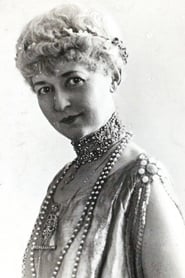
Helen Lowell
Actor
Born: June 28, 1868 in New York City, New York, USA Died: May 24, 1937 Active: 1880s-1937 (Stage), 1924-1929 (Film) Birth Name: Helen Maria Lowell
Films
1 film
About Helen Lowell
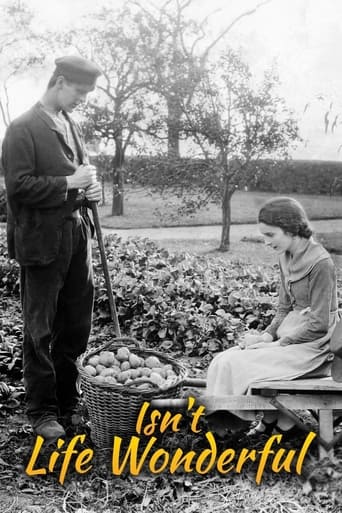
Helen Lowell is credited on a single production — t Life Wonderful (1924). Born in 1868, she began her theatrical career in the late 19th century and became known for her character roles, often playing formidable matriarchs or stern authority figures. Her stage presence was commanding, and she developed a reputation for bringing depth and authenticity to every role she undertook. After decades of success in legitimate theater, she entered the film industry during the silent era, bringing her theatrical expertise to the new medium. Her appearance in D.W. Griffith's 'Isn't Life Wonderful' (1924) was one of her most notable film performances, though she continued acting in films through the late 1920s. Lowell's transition from stage to screen was part of a broader trend of accomplished theater actors bringing their craft to Hollywood during the early years of cinema. She continued performing until her death in 1937, leaving behind a legacy of powerful character portrayals across both mediums.
The Craft
On Screen
Helen Lowell's acting style was characterized by her theatrical background, featuring commanding stage presence and precise diction honed through years of legitimate theater work. She specialized in character roles, often portraying stern matriarchs, formidable authority figures, or strong-willed women with hidden vulnerabilities. Her performances were marked by a naturalistic yet theatrical approach that translated well from stage to screen, bringing depth and authenticity to her characters. Lowell had a particular talent for conveying complex emotions through subtle facial expressions and body language, essential for silent film acting. Her technique emphasized psychological realism within the broader melodramatic conventions of the era, making her characters relatable despite their often formidable exteriors.
Milestones
- Long-running Broadway career in the late 19th and early 20th centuries
- Transition from stage to silent films in the 1920s
- Notable role in D.W. Griffith's 'Isn't Life Wonderful' (1924)
- Character actress specializing in matriarchal roles
- Appeared in several prominent silent films of the late 1920s
Best Known For
Iconic Roles
Must-See Films
Accolades
Special Recognition
- Recognized as one of Broadway's leading character actresses of her era
- Noted for successful transition from stage to silent film
Working Relationships
Worked Often With
Studios
Why They Matter
Impact on Culture
Helen Lowell represented an important transitional figure in American entertainment history, embodying the shift from legitimate theater to the emerging medium of cinema. Her successful adaptation from stage to screen demonstrated how theatrical techniques could be effectively translated to film, helping bridge the gap between these two art forms. As a mature character actress, she helped establish the importance of supporting roles in narrative films, proving that compelling storytelling required more than just youthful leads. Her work in D.W. Griffith's films contributed to the director's exploration of complex family dynamics and social themes. Lowell's career also reflected the changing opportunities for women in entertainment, showing how actresses could maintain professional relevance and artistic integrity well into middle age and beyond.
Lasting Legacy
Helen Lowell's legacy lies in her contribution to both American theater and early cinema, particularly in establishing the importance of character acting in narrative storytelling. Her successful active years covered two distinct entertainment eras, making her a valuable example of artistic adaptability and professional longevity. While she may not be as widely remembered as some of her contemporaries, her work helped lay the groundwork for future character actresses who would find success in both stage and film. Her performances in silent films demonstrated how theatrical training could enhance screen acting, influencing subsequent generations of performers. Lowell's career also shows the opportunities available to dedicated actresses in the early 20th century, showing that talent and professionalism could overcome the limitations often placed on women in the entertainment industry.
Who They Inspired
Helen Lowell influenced subsequent generations of character actresses through her demonstration of how theatrical training could enhance film performance. Her ability to convey complex emotions and character depth in silent films provided a model for actors transitioning between stage and screen. Her specialization in matriarchal and authority figure roles helped establish these character types as essential elements in narrative storytelling. Younger actresses observed how she maintained professional relevance and artistic integrity throughout her long career, adapting to changing mediums while preserving her artistic standards. Her work with prominent directors like D.W. Griffith also contributed to the development of more nuanced approaches to character development in American cinema.
Off Screen
Helen Lowell was known primarily for her professional accomplishments rather than her personal life, which remained relatively private throughout her career. She was born into a prominent family in New York City, which provided her with the cultural and educational foundation that supported her theatrical ambitions. Unlike many actresses of her era, she maintained a level of discretion regarding her romantic relationships and family matters. Her dedication to her craft was evident in her decision to remain unmarried and childless, focusing instead on her theatrical and film career. This professional focus allowed her to build a reputation as.
Education
Educated in New York City schools; likely received theatrical training appropriate for the late 19th century stage tradition
Did You Know?
- Born Helen Maria Lowell in New York City in 1868
- Had an extensive Broadway career before entering films
- Specialized in playing matriarchs and stern authority figures
- Appeared in D.W. Griffith's critically acclaimed film 'Isn't Life Wonderful'
- Transitioned to films in her 50s, demonstrating remarkable adaptability
- Never married, dedicating her life entirely to her craft
- Her film career was brief but impactful, spanning primarily the silent era
- Represented the bridge between 19th century theatrical traditions and 20th century cinema
- Died in 1937 as sound films were becoming dominant in Hollywood
- Her stage active years covered over three decades before she entered films
In Their Own Words
No widely documented quotes attributed to Helen Lowell in available historical records
Frequently Asked Questions
Who was Helen Lowell?
American actress who had a career on Broadway before transitioning to silent films in the 1920s. She specialized in character roles, often playing formidable matriarchs and authority figures, and appeared in notable films including D.W. Griffith's 'Isn't Life Wonderful' (1924).
What films is Helen Lowell best known for?
Titles linked here include Isn't Life Wonderful (1924), The Sorrows of Satan (1926).
When was Helen Lowell born and when did she die?
Born June 28, 1868; died May 24, 1937.
What awards did Helen Lowell win?
While Helen Lowell did not receive major formal awards during her career, she was recognized as one of Broadway's leading character actresses and was noted for her successful transition from stage to silent film, earning respect for her professional contributions to both mediums.
What was Helen Lowell's acting style?
Helen Lowell's acting style was characterized by her theatrical background, featuring commanding presence and precise technique honed through years of stage work. She specialized in character roles, often portraying stern matriarchs and authority figures with psychological depth and authenticity, effectively translating her theatrical skills to the silent film medium.