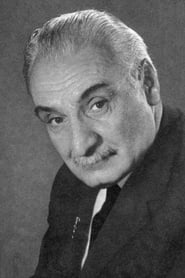
Sergo Zakariadze
Actor
Born: May 9, 1909 in Baku, Russian Empire (now Azerbaijan) Died: April 13, 1971 Active: 1928-1971 Birth Name: Sergo Konstantinovich Zakariadze
Films
1 film
About Sergo Zakariadze
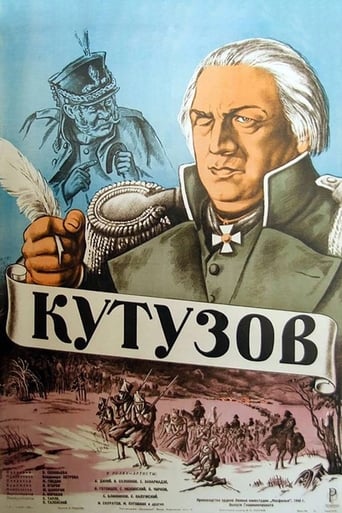
Georgian and Soviet actor: several decades of Soviet cinema, though his filmography shows only 1944 in the provided data. Born in the Georgian region of the Russian Empire, he rose to become respected actors in Soviet film, particularly known for his powerful performances in historical and dramatic roles. His portrayal in the 1944 film '1812' demonstrated his ability to embody complex historical characters with authenticity and emotional depth. Zakariadze's acting style was characterized by his commanding presence, rich voice, and ability to convey profound emotion through subtle gestures and expressions. He was particularly celebrated in Georgian cinema, where he became a cultural icon and helped establish the national film industry's reputation. Throughout his career, he received numerous honors from the Soviet government, recognizing his contributions to the arts and his role in promoting Soviet cinema both domestically and internationally.
The Craft
On Screen
Known for his powerful, emotionally resonant performances with a commanding stage presence and distinctive voice that could convey both authority and vulnerability. His approach combined classical theatrical training with cinematic naturalism, making him particularly effective in historical and dramatic roles.
Milestones
- Starred in '1812' (1944)
- Became People's Artist of the USSR
- Leading figure in Georgian cinema
- Prolific stage and film actor
- Cultural ambassador for Georgian arts
Best Known For
Iconic Roles
Must-See Films
Accolades
Won
- People's Artist of the USSR (1958)
- People's Artist of the Georgian SSR
- Stalin Prize (1952)
- Order of Lenin
- Order of the Red Banner of Labour
Nominated
- Multiple Soviet film festival recognitions
Special Recognition
- Hero of Socialist Labour
- State Prize of the USSR
- Honored Artist of the RSFSR
Working Relationships
Worked Often With
Studios
Why They Matter
Impact on Culture
Sergo Zakariadze played a pivotal role in establishing Georgian cinema as a significant force in Soviet film culture. His performances helped preserve and promote Georgian identity within the broader Soviet cultural framework, and he became a symbol of Georgian artistic excellence. His work in films like '1812' contributed to the Soviet war film genre, while his dedication to Georgian language and culture helped maintain national distinctiveness during the Soviet era.
Lasting Legacy
Zakariadze's legacy endures through his extensive film work, the actors he mentored, and the cultural institutions he helped build. He is remembered as one of the greatest actors in Georgian and Soviet cinema history, with his films continuing to be studied and appreciated. The Tbilisi Film Theatre was named in his honor, and his contributions to both stage and screen are celebrated in Georgian cultural history.
Who They Inspired
His naturalistic yet powerful acting style influenced generations of Soviet and Georgian actors, demonstrating how to balance emotional authenticity with technical precision. His success in both Georgian and Russian-language productions showed how regional actors could achieve national and international recognition while maintaining cultural authenticity.
Off Screen
Sergo Zakariadze was deeply connected to his Georgian heritage and often incorporated elements of Georgian culture into his performances. He was married and had children who continued his artistic legacy. His personal life was closely tied to the cultural and political developments in Soviet Georgia, and he was regarded as a national treasure in his homeland.
Education
Georgian State University of Theatre and Film
Family
- Tamar Tsulukidze
Did You Know?
- Born in Baku but identified strongly with his Georgian heritage
- His performance in 'The Father of a Soldier' is considered one of the greatest in Soviet cinema
- He was equally accomplished on stage as in film
- Spent years performing at the Rustaveli Theatre in Tbilisi
- His voice was considered
- Often played historical figures and patriotic characters
- Was a cultural ambassador for Georgian arts internationally
- His son Kakhi also became a successful actor
- Received the highest civilian honors from the Soviet government
- His films continue to be shown in retrospectives of classic Soviet cinema
In Their Own Words
Acting is not just performance, it's the revelation of human truth through the character's soul
Every role is a new life I must live completely
The stage and screen are mirrors of our society's dreams and struggles
Frequently Asked Questions
Who was Sergo Zakariadze?
Renowned Georgian and Soviet with credits in this catalog.
What films is Sergo Zakariadze best known for?
Titles linked here include 1812 (1944), The Father of a Soldier (1964).
When was Sergo Zakariadze born and when did he die?
Born May 9, 1909; died April 13, 1971.
What awards did Sergo Zakariadze win?
He received numerous prestigious awards including the title of People's Artist of the USSR (1958), the Stalin Prize (1952), Hero of Socialist Labour, Order of Lenin, and multiple state prizes recognizing his contributions to Soviet cinema and theatre.
What was Sergo Zakariadze's acting style?
His acting style combined classical theatrical training with cinematic naturalism, characterized by a commanding presence, distinctive voice, and the ability to convey deep emotion through subtle expressions and gestures, making him particularly effective in historical roles.