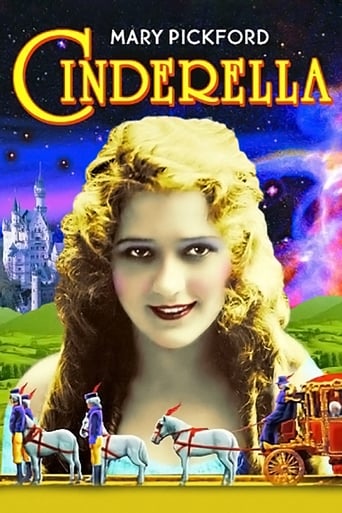
Films
1 film
About Lucille Carney
Lucille Carney is credited on a single production — Cinderella (1914). Her career appears to have been extremely short-lived, with her only known credited work being in the 1914 adaptation of Cinderella. Like many actors of this early period, she was likely part of the first generation of film performers who transitioned from stage work to the new medium of motion pictures. The 1914 Cinderella was one of numerous fairy tale adaptations produced during this period when studios recognized the commercial appeal of familiar stories. Carney's specific role in the production has been lost to film history, as many records from this era are incomplete or have been destroyed over time. Her brief appearance in cinema coincided with the transitional period when American film was establishing itself as a serious artistic medium. After 1914, there are no documented records of her continued work in the film industry, suggesting she either returned to other forms of entertainment or left performing altogether.
The Craft
Milestones
- Appeared in the 1914 silent film adaptation of Cinderella
Best Known For
Iconic Roles
Must-See Films
Why They Matter
Impact on Culture
Lucille Carney's cultural impact appears to be minimal, given her extremely brief career in the early film industry. As one of countless performers who appeared in silent films during cinema's formative years, she represents the anonymous contributions of many early actors who helped establish the foundation of the film industry. Her work in the 1914 Cinderella places her within the context of early American narrative filmmaking, when studios were beginning to explore adaptations of classic literature and fairy tales for the screen.
Lasting Legacy
Lucille Carney's legacy is primarily that of a representative figure from the earliest days of American cinema. Her brief appearance in a 1914 film places her among the pioneer generation of film actors who worked during the medium's transitional period from novelty to art form. While she did not achieve lasting fame or recognition, her contribution, however small, is part of the broader tapestry of early film history and the development of American cinema.
Who They Inspired
There is no documented evidence of Lucille Carney's influence on other actors or filmmakers, which is consistent with her brief and obscure career in the film industry. Like many early silent film performers with limited filmographies, her work appears to have been a temporary engagement rather than the foundation of an influential career in cinema.
Off Screen
Very little is known about Lucille Carney's personal life, which is typical for actors of the early silent era who had brief careers. Like many performers of this period, she may have been drawn to the new medium of film but did not achieve lasting fame or recognition. The lack of extensive records about her life suggests she was not a prominent public figure beyond her brief film appearances.
Did You Know?
- Lucille Carney's entire known film career consisted of a single year - 1914
- The 1914 Cinderella she appeared in was one of several early film adaptations of the classic fairy tale
- Her career coincided with the early years of feature-length film production in America
- Like many early silent film actors, complete records of her work and personal life have been lost to history
- She represents the thousands of anonymous performers who contributed to early cinema but never achieved lasting fame
- The 1914 Cinderella was produced during a period when fairy tale adaptations were extremely popular with audiences
- Early film actors like Carney often had backgrounds in stage theater or vaudeville before transitioning to film
Frequently Asked Questions
Who was Lucille Carney?
American silent film actress who had an extremely brief career in the early 1910s, known only for her appearance in the 1914 film adaptation of Cinderella. Like many actors from cinema's earliest days, she represents the anonymous contributors who helped establish the film industry.
What films is Lucille Carney best known for?
Titles linked here include Cinderella (1914).
When was Lucille Carney born and when did she die?
Unfortunately, there are no available records of Lucille Carney's birth or death dates, which is common for obscure early film performers whose personal details were not preserved in historical records.
What awards did Lucille Carney win?
Lucille Carney did not receive any documented awards or recognition during her brief career, as the major film awards systems were not yet established during her time in the industry.
What was Lucille Carney's acting style?
There are no documented descriptions of Lucille Carney's acting style or techniques, as her career was too brief and obscure to generate critical analysis or reviews that have survived to the present day.