Russell Hopton
Actor
- Born
- January 16, 1901, New York City, New York, USA
- Died
- December 9, 1945
- Active
- 1930-1945
Films 1
About Russell Hopton
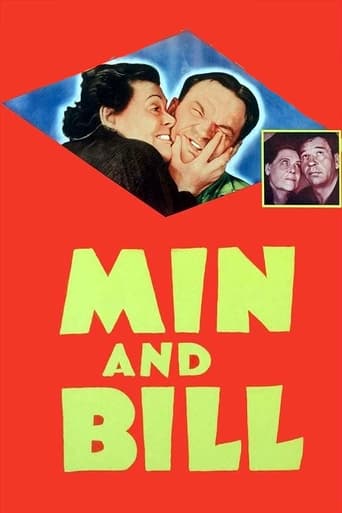
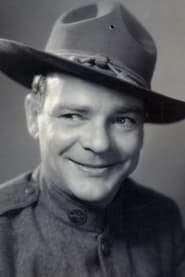
Russell Hopton was an American character actor who worked steadily in Hollywood during the transition from silent pictures to early sound films, becoming a familiar face in supporting roles rather than a top-billed star. He is especially remembered by classic-film historians for his appearance in "Min and Bill" (1930), one of the early talkie-era dramas associated with the rise of major studio storytelling. Hopton’s screen career was built largely on toughness, reliability, and a believable working-class presence, qualities that made him useful in crime dramas, melodramas, Westerns, and action pictures. He appeared in a substantial number of films over the course of the 1930s, generally playing henchmen, toughs, policemen, sailors, or other men of action. Like many versatile contract and freelance players of the era, he contributed to the texture of studio-era filmmaking without becoming a marquee name. Information about his private life is comparatively sparse in surviving reference sources, which is common for working actors of his period. His surviving film work preserves him as part of the dense supporting ensemble that helped define classic Hollywood’s look and rhythm.
More about Russell Hopton
On screen
Hopton’s acting style was pragmatic and naturalistic rather than flamboyant, with a strong emphasis on physical presence and believable toughness. He often played men with an edge—sailors, gang members, lawmen, or working-class figures—using a straightforward delivery that fit the brisk pacing of early sound films. Rather than dominating scenes, he contributed efficiently and credibly to the ensemble, which was an essential skill in studio-era character acting. His performances generally relied on posture, expression, and a hardboiled screen manner more than on verbal flourish.
In film history
Russell Hopton’s cultural impact lies in the essential but often overlooked role of the Hollywood supporting actor. He helped populate the lived-in worlds of early sound cinema, supplying credible roughness and occupational realism to films that depended on ensemble texture as much as star power. In productions like "Min and Bill," performers such as Hopton gave depth to the social environment surrounding the stars, helping audiences believe in the world on screen. While he did not become a household name, his kind of work was crucial to the studio system’s ability to produce films quickly and convincingly across many genres.
Later reputation
Hopton’s legacy is that of a durable classic-Hollywood character player whose face and presence would have been familiar to audiences of the 1930s and early 1940s even if his name was not prominently advertised. He represents the vast middle tier of studio-era performers whose work sustained the narrative realism and genre conventions of American film. For modern viewers and historians, his career is valuable as a record of how supporting actors contributed to the continuity of style from silent cinema into the talkies. His appearance in early sound landmark productions ensures that he remains part of the historical fabric of classic Hollywood.
Influence
Hopton’s influence was indirect rather than overt: he exemplified the kind of dependable, hard-edged supporting performance that later character actors and bit players continued to emulate. His screen manner helped reinforce the notion that secondary characters could carry real weight through presence alone, even with limited screen time. In that sense, he contributed to a performance tradition in which realism, economy, and typecasting worked together to strengthen genre storytelling. His career is part of the larger influence of studio-era supporting casts on the tone and credibility of classic American cinema.
Off screen
Publicly available information about Russell Hopton’s personal life is limited, and he does not appear to have been the subject of extensive contemporary publicity compared with major stars of the era. Standard reference sources typically emphasize his professional work rather than marriages, children, or other family details. As with many working actors of his period, his life is more clearly documented through trade and film records than through personal memoirs or extensive press coverage. No widely cited scandal or major off-screen controversy is associated with him in the classic-film record.
Credits
- Appeared in "Min and Bill" (1930), one of the most recognized early sound-era dramas featuring a major MGM prestige cast.
- Built a steady career as a dependable supporting actor in crime films, Westerns, and melodramas throughout the 1930s.
- Worked across major Hollywood studio productions in the early sound period, contributing to the ensemble style that defined the era.
- Established a screen persona suited to rough-edged, physically capable, and no-nonsense supporting roles.
- Remained active in film work through the mid-1940s, reflecting the durability of character actors in studio-era Hollywood.
Roles
- Supporting tough-guy and henchman roles in crime and melodrama pictures
- Working-class or rough-edged supporting men in early sound dramas
- Minor but memorable character parts in studio-era genre films
Films
- Min and Bill (1930)
- Various 1930s crime, Western, and melodrama productions
- Character roles in mid-1930s and early-1940s studio films
Collaborators
- Character actors and supporting players in 1930s genre films
- Studio directors working in crime, Western, and melodrama productions
Studios
- MGM
- Various Hollywood studio productions in the early sound era
Notes
- He was part of the early sound-film generation, appearing just as Hollywood was adapting to synchronized dialogue.
- Hopton is remembered by film historians more for the consistency of his supporting work than for starring roles.
- His career fit the classic studio pattern of actors specializing in a recognizable screen type.
- He worked in an era when many supporting actors moved quickly between genres and studios without long-term star status.
- His filmography reflects the popularity of tough-guy and working-class character parts in 1930s cinema.
- Because he was not a top-billed star, many details of his private life are less documented than those of leading players.
- His appearance in "Min and Bill" places him within one of the notable early MGM prestige dramas of the period.
Questions
Who was Russell Hopton?
Russell Hopton was an American character actor active in Hollywood from the early sound era through the mid-1940s. He was known for playing tough, working-class, or rough-edged supporting parts in dramas, crime films, and Westerns.
What films is Russell Hopton best known for?
He is especially remembered for "Min and Bill" (1930), along with a range of supporting roles in 1930s studio films. His filmography is rooted in genre pictures, where he often played dependable character parts rather than leading roles.
When was Russell Hopton born and when did he die?
Russell Hopton was born on January 16, 1901, in New York City, New York, USA. He died on December 9, 1945.
What awards did Russell Hopton win?
No major awards or nominations are widely documented for Russell Hopton in standard film reference sources. His career is better understood through his steady body of supporting performances than through formal awards recognition.
What was Russell Hopton's acting style?
Hopton’s style was concise, naturalistic, and physically grounded, with an emphasis on believable toughness. He specialized in credible supporting characters whose presence helped establish the social and dramatic texture of a scene.
What is Russell Hopton's legacy in film history?
His legacy is that of a reliable classic-Hollywood character actor whose work helped support the storytelling machinery of studio-era cinema. He exemplifies the many skilled performers whose names may be less famous today but whose screen presence was essential to the era.