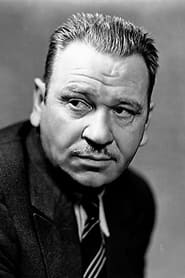
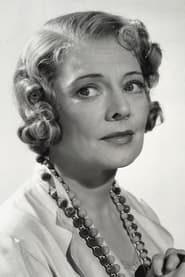
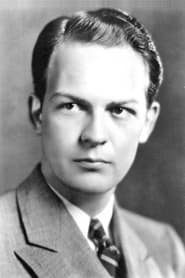
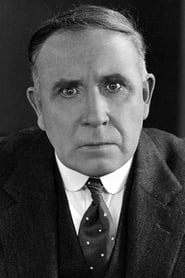
1930 · 83 minutes

Also available on: Wikimedia
Min and Bill

Min and Bill

1930 83 minutes United States

"When a woman’s love is big enough to cover everything, even life itself!"

Maternal sacrificeFound familyClass and working-class survivalLove versus self-interestAge, dignity, and resilience

Plot

Min Diver, the tough but tender proprietor of a small waterfront hotel, has spent years caring for Nancy, a girl she took in as an infant and raised as her own. Min’s life is shaped by the rough, working-class world of the docks, where she struggles to keep her business afloat while also protecting Nancy from the dangers and temptations around her. When Nancy’s future becomes uncertain and Min realizes the girl deserves opportunities beyond the dockside life she knows, she is forced to make an agonizing sacrifice. The situation is further complicated by Min’s relationship with Bill, a seafaring, good-hearted drifter whose affection for Min adds warmth, humor, and emotional tension to the story. The film builds toward a deeply affecting act of maternal devotion, balancing comedy and pathos in a way that was especially powerful for Depression-era audiences.

About the Production

Release Date 1930-10-11
Production Metro-Goldwyn-Mayer
Filmed In MGM Studios, Culver City, California

Min and Bill was produced as a vehicle for Marie Dressler, whose late-career comeback made her one of MGM’s most beloved stars of the early sound era. The film was adapted from the 1929 novel Min and Bill by Willard Mack, and MGM emphasized its blend of humor, melodrama, and hard-edged waterfront realism. George W. Hill directed the picture with a strong focus on performance, especially the chemistry between Dressler and Wallace Beery, which became one of the film’s key selling points. The production arrived at the height of Hollywood’s transition into synchronized sound, so the film’s dialogue-driven scenes and intimate emotional exchanges were especially important to its appeal. Although precise budget and box-office figures are not reliably documented in widely available sources, the film was a major hit and helped cement Dressler’s status as a box-office sensation.

Historical Background

Min and Bill was released in 1930, just as Hollywood was fully entering the sound era and the nation was sliding deeper into the Great Depression. The combination of talking-picture intimacy and emotionally direct melodrama made the film especially timely, since audiences were increasingly drawn to stories of ordinary people facing hardship, loyalty, and sacrifice. Its waterfront setting and working-class milieu also fit a period in which American films frequently turned toward social grit and domestic struggle rather than purely escapist fantasy. The film matters historically because it helped demonstrate that mature female stars could still anchor major studio successes, and because it captured a transitional moment when studios were figuring out how to use sound to intensify character-driven storytelling rather than simply record dialogue.

Why This Film Matters

The film remains significant as one of the defining works of Marie Dressler’s career and as a landmark example of early sound-era acting centered on older female experience. Dressler’s Oscar-winning performance challenged Hollywood’s narrow age standards and gave audiences a protagonist whose emotional power came from resilience, humor, and sacrifice rather than glamour. The film also helped popularize a mode of sentimental realism that would recur throughout 1930s American cinema, especially in dramas about family, class, and everyday survival. In broader cultural terms, Min and Bill is remembered as a film that gave dignity and complexity to a rough, working-class woman at a time when such roles were rarely placed at the center of mainstream prestige cinema.

Making Of

Min and Bill was designed to showcase Marie Dressler’s unique blend of toughness, wit, and vulnerability, qualities that made her one of the most unusual stars of her era. MGM shaped the production around her screen presence and around the appealing rough-and-ready relationship between Dressler and Wallace Beery, whose chemistry was central to the film’s success. As an early sound feature, the production leaned heavily on dialogue, character interaction, and emotional timing rather than on elaborate visual spectacle. The film also reflects MGM’s early-1930s strategy of pairing prestigious acting talent with melodramatic material that could cross over between audiences looking for prestige and those drawn to sentiment and humor. The film’s strong reception helped reinforce the studio’s confidence in Dressler as a star vehicle performer at a time when many older actresses were being sidelined by Hollywood.

Visual Style

The film’s visual style is straightforward but effective, reflecting the priorities of early sound filmmaking, which often favored clear staging and intimate framing over mobile camera work. The dockside setting provides a textured, lived-in backdrop that supports the film’s mix of humor and hardship, and the production design helps establish a rough waterfront atmosphere without overwhelming the performances. Cinematography in this period often had to accommodate microphones and sound equipment, so the film relies on composed dialogue scenes and carefully arranged blocking. Even within these constraints, the movie uses close emotional framing and ensemble staging to highlight the relationships at its center.

Innovations

The film’s chief technical achievement lies in its successful adaptation to the demands of early sound cinema, particularly in its use of performance-driven scenes that depend on spoken rhythm and emotional timing. It stands as an example of MGM’s polished early sound production values, where dialogue clarity and careful staging were prioritized to maximize audience comprehension and star performance. While it is not known for flashy technical innovation, it is notable for demonstrating how effective character drama could be in the early talkie era. Its endurance owes more to acting and tonal control than to special effects or visual experimentation.

Music

As an early sound film, Min and Bill does not have a modern orchestral soundtrack in the contemporary sense, but it uses synchronized dialogue and incidental musical support typical of MGM’s early sound productions. The film’s most important sonic elements are the performances themselves: Dressler’s distinctive voice, Wallace Beery’s earthy delivery, and the rhythms of conversational comedy and emotional confession. Like many films of its era, music functions primarily as background accompaniment rather than as a dominant musical score. The sound design is historically important mainly because it illustrates how early talkies used dialogue and vocal character to create emotional impact.

Famous Quotes

When a woman loves a child, she loves her more than herself.
You can’t live your life for somebody else and expect to keep hold of your own happiness.

Memorable Scenes

  • Min’s heartbreaking realization that Nancy’s future requires a sacrifice she is willing to make for the girl’s sake.
  • The warm, comic exchanges between Min and Bill that reveal their affection through bickering and shared roughness.
  • The emotional climax in which Min’s maternal love is expressed through self-denial rather than sentimentality alone.

Did You Know?

  • Marie Dressler won the Academy Award for Best Actress for her performance, making Min and Bill the defining triumph of her late career.
  • The film was one of MGM’s key early sound successes and helped prove that emotionally direct, character-centered dramas could thrive in the new sound era.
  • Dressler and Wallace Beery were such a popular screen pair that they would be reunited in other films, and their chemistry in this one became one of the movie’s biggest attractions.
  • The movie was adapted from Willard Mack’s novel, which itself drew on the rough dockside melodrama popular in the late silent and early sound period.
  • Min and Bill is often remembered as one of the best examples of how early 1930s Hollywood mixed comedy, pathos, and social realism without losing mainstream audience appeal.
  • The film was released during the early years of the Great Depression, which made its themes of sacrifice, survival, and maternal devotion especially resonant.
  • Marie Dressler was already in her sixties when she made the film, yet she emerged as one of the era’s biggest stars, defying conventional Hollywood expectations about age and leading-lady roles.
  • The picture’s emotional climax became one of the most talked-about scenes of Dressler’s career and is often cited in histories of early sound acting.
  • Wallace Beery’s performance as Bill helped strengthen his screen persona as a rumpled, lovable, working-class man with comic and sentimental appeal.
  • Dorothy Jordan’s role as Nancy provided the film with a younger romantic and emotional counterpoint to the older characters’ world-weary affection.

What Critics Said

At the time of release, the film was widely praised for Marie Dressler’s performance, which critics recognized as both deeply moving and unusually naturalistic for the period. Reviewers noted the effective balance between comedy and pathos, and the chemistry between Dressler and Wallace Beery was often singled out as a major strength. Contemporary reception has remained positive, with historians and critics frequently citing the film as one of Dressler’s greatest achievements and a key early sound-era drama. Modern reassessments often focus on its emotional sincerity, its depiction of maternal sacrifice, and its importance in the history of female stardom and early talking pictures.

What Audiences Thought

Audiences responded strongly to the film, helping make it a popular success for MGM and reinforcing Marie Dressler’s status as a beloved star. Its mixture of humor, rough affection, and emotionally devastating sacrifice resonated particularly well with Depression-era viewers, who tended to respond to stories of endurance and selflessness. The film’s popularity also benefited from the public’s affection for Dressler herself, whose offscreen persona and onscreen warmth gave the movie additional appeal. Over time it has retained a strong reputation among classic-film audiences, especially those interested in early sound performance and vintage MGM dramas.

Awards & Recognition

  • Academy Award for Best Actress — Marie Dressler

Film Connections

Influenced By

  • Willard Mack’s novel Min and Bill (1929)
  • Stage melodrama traditions centered on rough urban and waterfront life
  • Early 20th-century sentimental working-class fiction

This Film Influenced

  • Later MGM maternal melodramas of the 1930s
  • Early sound character dramas centered on older women
  • Working-class sentimental dramas in classic Hollywood

Film Restoration

The film is preserved and survives in modern archives and circulation in restored or accessible vintage-film prints; it is not considered lost.

Themes & Topics

dockside hoteladoptive mothersacrificeearly sound dramaworking-class melodrama